
A faded warning label on an outdoor switchboard is not a minor cosmetic issue. When critical information washes out under Australian sun, the risk lands with the site - missed hazards, failed inspections, avoidable replacements and unnecessary downtime. That is why UV resistant safety labels matter well beyond appearance. On exposed assets, they need to stay legible, stay adhered and keep doing the job month after month.
What UV resistant safety labels are really expected to do
On a worksite, a safety label has one simple job - communicate clearly when it counts. In practice, that means more than printing a warning on adhesive stock and hoping it lasts. Outdoor labels are expected to hold readable text, clear symbols and strong adhesive performance despite sunlight, heat, rain, dust, washdowns and general abrasion.
UV is one of the biggest reasons labels fail early. Prolonged exposure breaks down inks, coatings and face materials, which leads to fading, yellowing, cracking or brittleness. Once that starts, even a well-worded label becomes hard to read. If the label is carrying hazard information, inspection details or operating instructions, that loss of clarity can create a compliance problem as well as a safety one.
For Australian conditions, buyers need to think in terms of total exposure, not just sunshine. A label mounted on plant in the Pilbara, a hose reel cabinet near the coast or a trailer parked in an open yard will all face different combinations of UV, heat, salt, grit and moisture. The right construction depends on that full environment.
Why standard labels fail outdoors
A lot of replacement work starts with the wrong material being used for the job. General-purpose labels can look fine when first applied, but outdoor conditions expose weaknesses quickly. Low-grade adhesives soften or dry out. Thin face stocks shrink or lift at the edges. Poor ink systems lose contrast fast, especially on high-exposure surfaces.
The usual failure signs are familiar to maintenance teams. The red on a danger label starts turning pink. Black text goes grey. Lamination begins peeling. Corners collect grit and lift. Before long, the label is still physically there, but it is no longer fit for purpose.
Surface type also plays a part. Powder-coated metal, textured plastic, painted equipment, rough toolboxes and curved surfaces all behave differently. A label that performs well on a smooth cabinet may struggle on a slightly oily machine guard or sun-baked poly enclosure. That is why material selection should never be separated from the application itself.
Choosing UV resistant safety labels for Australian worksites
The best label choice usually comes down to three things - face material, print durability and adhesive performance. If one of those is wrong, the whole label is compromised.
Face material matters more than most buyers expect
Polyester and vinyl are common options for outdoor safety labels, but they are not interchangeable. Polyester is often chosen where dimensional stability, print definition and a more rigid finish are needed. Vinyl can be useful where flexibility is important, particularly on curved or uneven surfaces. The right option depends on where the label will be used and what kind of wear it will take.
Thickness matters too. A heavier material can give better durability in abrasive conditions, but thicker is not always better if the label needs to conform tightly to a shaped surface. There is always a trade-off between rigidity, flexibility and long-term appearance.
Print and protective layers do the heavy lifting
A UV-stable material alone will not save a label if the print system is poor. Inks, resins and topcoats all affect how long the message remains readable. For exposed applications, the printed image needs protection against both sunlight and physical wear. That is where overlaminates or protective coatings can make a genuine difference.
This becomes more important when labels include smaller text, asset numbers, barcodes or compliance details. Large hazard symbols may remain partly visible after some fading, but fine print does not get that margin for error. If a barcode will not scan or an inspection date cannot be read, the label has failed in practical terms.
Adhesive selection is not a background detail
Adhesive failure is one of the fastest ways to lose a safety label altogether. Outdoor assets expand and contract with heat. Some are cleaned regularly. Others carry dust, oil mist or moisture. Adhesives need to suit both the substrate and the environment.
Permanent industrial adhesives are often the right starting point, but not every permanent adhesive behaves the same way. Some are better for high heat, some for lower-energy plastics, and some for rougher surfaces. If labels are being applied in cold mornings and then exposed to full sun by midday, application conditions also need to be considered.
Where UV resistant safety labels are most often used
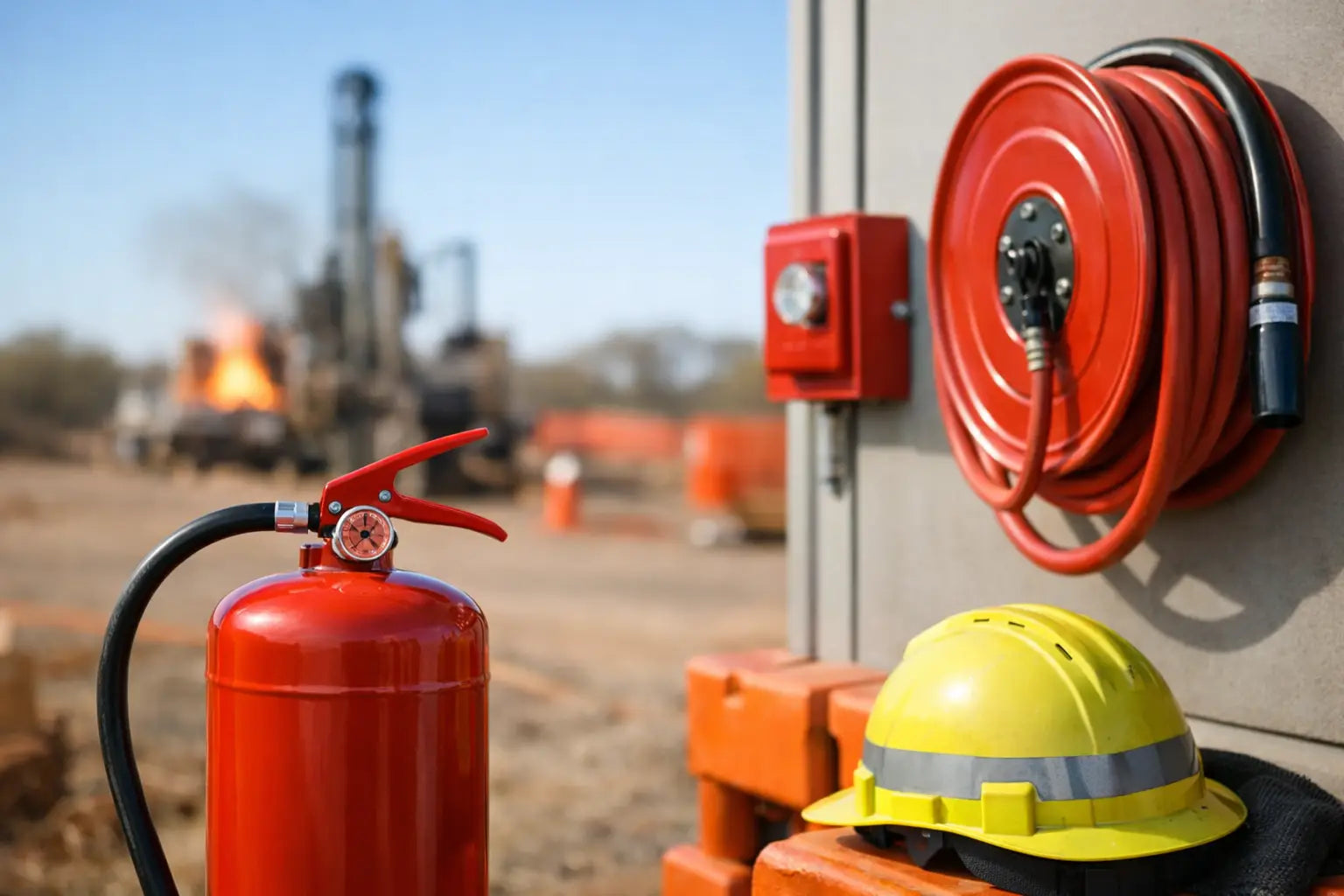
The need for UV resistance is broad across industrial sites. Any label fixed outdoors or near open exposure points should be assessed properly. Common examples include safety signage on plant and equipment, electrical warning labels, fire equipment identification, chemical handling labels, pipe markers, hose identification, asset labels, inspection labels and vehicle or trailer markings.
Mining, construction and utilities often place the highest demands on label life because equipment is exposed continuously and maintenance access may not be immediate. Manufacturing sites can face a different challenge, with labels moving between indoor and outdoor zones and being subjected to washdowns or forklift traffic. In transport and fleet environments, labels may need to withstand road grime, fuel splash, weather and frequent handling.
The point is simple - if replacing a failed label causes delay, repeat labour or compliance risk, it is worth specifying the right product from the start.
Compliance, readability and replacement cost
There is a tendency to look at labels as low-cost consumables. That can be true at purchase point, but it is rarely true once repeated replacement is factored in. Every failed safety label carries a second cost - labour to inspect, remove, reprint, reapply and record. If the label sits on critical infrastructure or mobile plant, the cost can climb quickly.
Then there is the compliance side. Safety labels are often part of a broader identification and inspection system. If the warning is unreadable, the asset is harder to assess properly. If the label data is missing, traceability suffers. During audits, faded or damaged labels can raise questions about maintenance discipline even when the underlying equipment is sound.
That does not mean the most expensive label is always the best choice. Some applications only need moderate outdoor life. Others need long-term performance under extreme exposure. Good specification is about matching service life to the asset and the consequence of failure.
How to specify UV resistant safety labels properly
The best results usually come from asking a few practical questions before ordering. How much direct sun will the label get? What surface is it being applied to? Will it be exposed to chemicals, salt, grit or high-pressure cleaning? Does it need variable data, barcodes or serial numbering? How long does it need to remain legible without replacement?
Those questions narrow the field quickly. A short-term construction site label may need something different from a long-life electrical safety label on permanent infrastructure. A forklift warning decal may need stronger abrasion resistance than a cabinet label mounted well above hand contact.
Customisation also matters. Standard wording works for some uses, but many sites need labels tailored to plant type, internal coding, inspection schedules or branding requirements. When custom labels are built around the actual operating environment rather than a generic catalogue assumption, buyers generally get better service life and fewer reorders.
For that reason, many industrial buyers prefer working with a supplier that understands harsh Australian conditions and can advise on materials, print methods and layout before production. Prime Tags Australia is positioned squarely in that space, with products built for local exposure and compliance-driven use.
UV resistant safety labels are only as good as the application
Even a well-made label can underperform if it is applied badly. Surfaces should be clean, dry and free from dust, oil and release agents. Temperature at application matters more than many teams realise. Apply a label in poor conditions and initial tack may be weak, which shortens service life from day one.
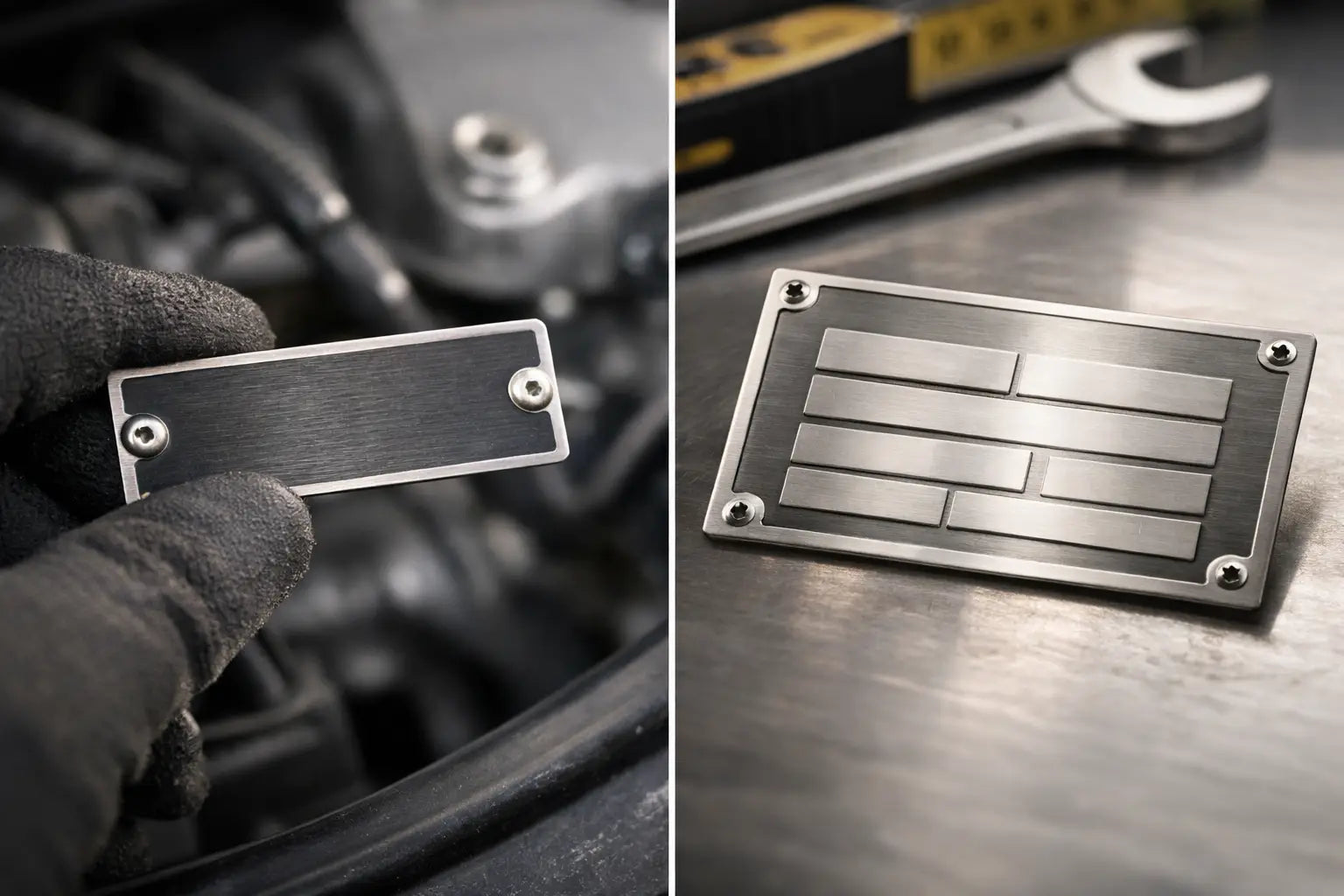
Placement matters too. If a label can be mounted slightly away from a high-wear edge, direct abrasion point or pooling water line, that small change can improve life noticeably. On some assets, a plate or tag may be the better option altogether. Labels are excellent in many uses, but they are not the right answer for every extreme environment.
That is the practical mindset worth keeping. Buy for the real conditions, not the ideal ones. If the site is punishing, specify for punishment.
A safety label should still be doing its job long after the installer has moved on to the next task. When the message stays clear through sun, weather and hard use, the site runs cleaner, safer and with less avoidable rework.