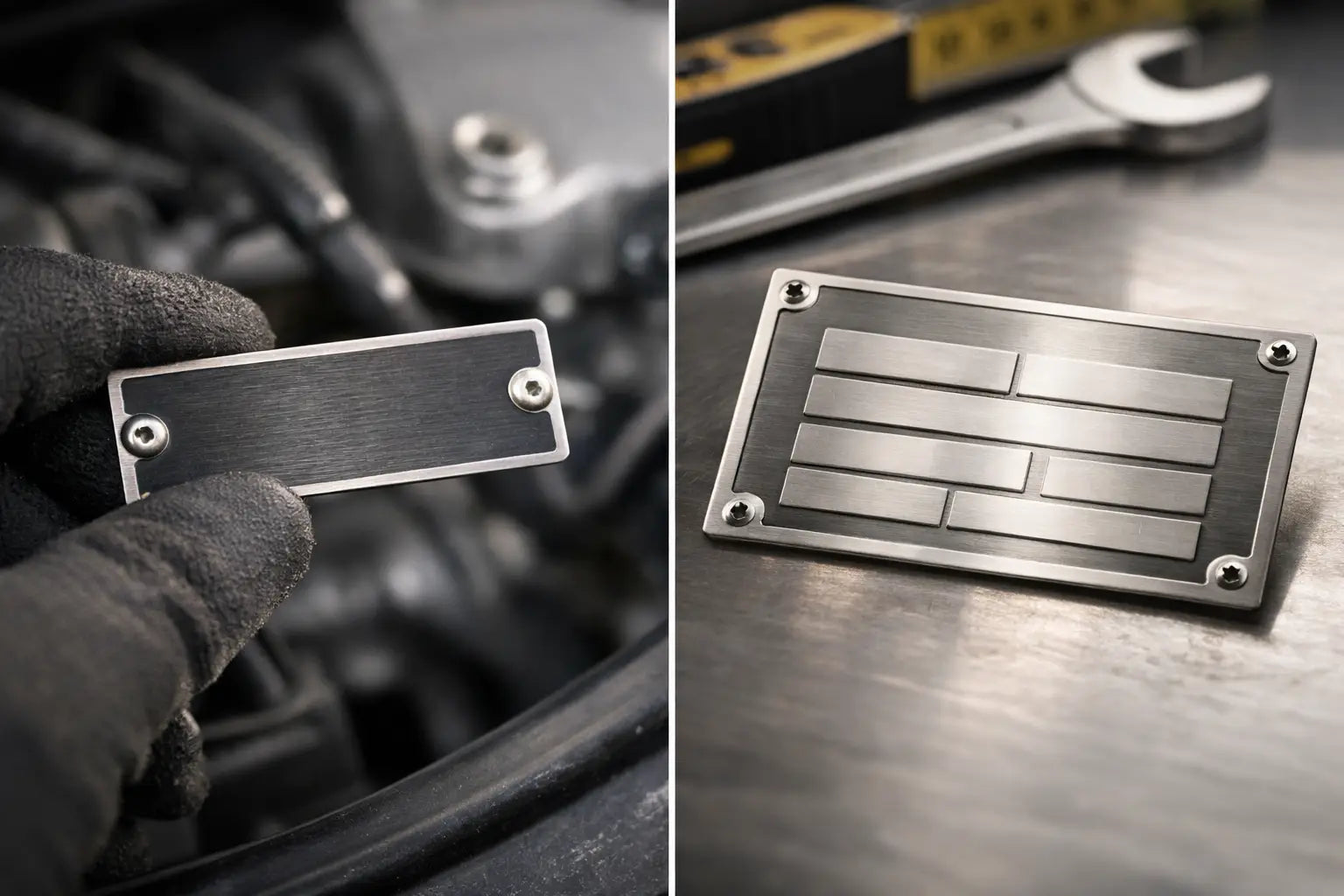

When a tag fails on site, the problem is rarely just the tag. It can mean unreadable asset data, missed inspections, failed audits, or equipment that no longer carries clear identification. That is why aluminium tags vs plastic tags is not a small purchasing decision. For Australian worksites, the material you choose affects durability, legibility, compliance confidence, and replacement costs over time.
Both materials have a place. The right choice depends on where the tag will be used, how long it needs to last, what information it carries, and what the tag will be exposed to every day. Heat, UV, washdowns, abrasion, chemicals, and physical handling all change the equation.
Aluminium tags vs plastic tags in real worksite conditions
On paper, plastic tags can look like the economical option. They are lightweight, versatile, and suitable for a wide range of temporary or lower-risk applications. Aluminium tags, on the other hand, are built for tougher service. They offer better long-term performance where durability and permanent identification matter.
The gap becomes clearer once you move from a catalogue comparison to an actual worksite. A tag on a clean indoor panel is one thing. A tag exposed to sun, salt, grit, pressure cleaning, vibration, or repeated handling is another.
If a site runs hard and the identification has to stay readable for years, aluminium usually gives you more certainty. If the application is shorter term, colour-coded, or needs flexibility at a lower cost, plastic may be the better fit.
Durability is where the difference shows first
Aluminium tags are generally stronger in harsh environments. They resist UV better, hold up well against weather exposure, and are less likely to crack or become brittle over time. For fixed assets, plant equipment, compliance plates, and identification that must remain legible for the long haul, that matters.
Plastic tags can still perform well, but not all plastics are equal. The material grade, thickness, and print method make a big difference. In sheltered conditions or controlled environments, plastic can deliver reliable service. In heavy industrial settings, especially outdoors, cheaper plastic tags often show their limits sooner through fading, distortion, surface wear, or breakage.
That does not mean aluminium is always the automatic answer. If impact noise, weight, electrical insulation, or flexible attachment matters more than long-term exposure resistance, plastic can still be the more practical option.
UV, weather and Australian exposure
Australian conditions are hard on identification products. Direct sun, high temperatures, coastal air, dust and sudden weather swings can shorten the life of the wrong material quickly.
Aluminium handles prolonged outdoor exposure well, which is why it is commonly used for asset plates, equipment tags and compliance marking in exposed locations. It keeps its structure and appearance better over time, particularly when paired with the right marking method.
Plastic can work outdoors, but it needs to be chosen carefully. For short-to-medium term use, it may be perfectly suitable. For permanent outdoor identification, it often needs replacing sooner than aluminium, especially on sites with strong UV and constant weather exposure.
Abrasion, chemicals and handling
Tags used on lifting gear, hoses, valves, tools, mobile plant or service equipment are often touched, knocked, washed and inspected repeatedly. That repeated contact wears surfaces down.
Aluminium is usually the stronger performer where abrasion is constant. It is also a safer bet where tags may rub against metal surfaces or be exposed to tougher cleaning routines. Plastic tags can resist some chemicals and handling well depending on the polymer used, but they are more vulnerable to gouging, tearing or edge damage in rough service.
For maintenance teams, the question is simple - will the tag still be readable after months or years of normal site abuse, not just on day one?
Compliance and legibility matter more than material cost alone
In compliance-critical settings, the main job of a tag is to remain clear and traceable. If serial numbers, inspection dates, asset IDs or safety instructions cannot be read quickly, the tag has stopped doing its job.
This is where aluminium often justifies its higher upfront cost. It supports durable marking for permanent identification and gives buyers greater confidence where record integrity matters. That is particularly relevant for plant identification, equipment tracking, rating information and compliance plates.
Plastic tags are still widely used for inspection systems, safety tagging and status identification. They are especially useful when colour coding is important, when tags are changed regularly, or when the application does not require a permanent plate-style solution.
So the real comparison is not only aluminium tags vs plastic tags on purchase price. It is material cost versus service life, replacement frequency, and the operational risk of a failed or unreadable tag.
Where plastic tags make more sense
Plastic tags are a strong option when flexibility, colour and cost control matter most. Many safety and inspection programs rely on plastic because it is easy to customise, simple to handle, and well suited to systems where information changes over time.
For lockout-style identification, temporary status marking, inspection cycles or lower-exposure indoor applications, plastic is often the smarter buy. It is also useful where you want highly visible colour coding across equipment categories, departments or service schedules.
There can be practical handling advantages too. Plastic is lighter, can be easier to attach in certain formats, and may be preferable where metal contact is not ideal. On a site with mixed identification needs, plastic tags often complement aluminium rather than replace it.
Where aluminium tags earn their keep
Aluminium tags suit applications where the tag is expected to stay put and stay readable for years. Asset identification, compliance plates, machine labelling, outdoor equipment tags and permanent operational marking are the obvious examples.
They are also a better fit when replacement is difficult or expensive. If the tag is attached to remote infrastructure, field equipment or critical plant, paying more upfront for a longer-lasting material usually saves money and avoids avoidable maintenance work.
That is the key point many buyers weigh up. A cheaper tag is not cheaper if it needs replacing every season, or if faded information creates audit issues and slows down inspections.
Choosing the right material for the job
The best buying decision starts with the application, not the material in isolation. Ask how long the tag needs to last, what environment it will face, what data it carries, and whether the tag is permanent, changeable or inspection-based.
If the tag is for permanent identification in exposed, abrasive or compliance-sensitive conditions, aluminium is often the safer choice. If the tag supports routine inspections, temporary status control, or indoor use where colour coding is important, plastic may be the better operational fit.
It also helps to think in terms of total site system design. Most industrial operations do not need one material for everything. They need the right material for each use case. A site might use aluminium for fixed assets and compliance plates, then use plastic for inspection tags, safety alerts or service status changes.
That approach usually gives better performance and better value than forcing one material across every application.
Aluminium tags vs plastic tags for procurement value
For procurement teams, the pressure is often to balance lead time, unit cost and performance. That is fair enough, but identification products should be judged on whole-of-life value. Durability, readability and fit-for-purpose customisation matter because replacement labour and compliance risk carry real costs.
A well-made plastic tag can outperform a poor aluminium one, and the reverse is also true. Material is only part of the story. Thickness, attachment method, finishing, engraving or printing method, and the accuracy of the custom layout all affect performance.
That is why industrial buyers tend to get better outcomes when the tag is specified around the actual site condition instead of choosing by price alone. Prime Tags Australia works with exactly that mindset - matching tag construction to harsh local conditions, compliance needs and the way equipment is actually used on Australian sites.
The right tag is the one that keeps doing its job long after installation. If you are weighing aluminium against plastic, start with the environment, the risk of failure and the cost of replacement. That usually makes the decision clearer.