
A missing or unreadable plate can turn a routine inspection into a costly delay. The builder plate replacement process matters because that small metal plate carries critical identification and compliance details for vehicles, trailers, plant and equipment. If the plate is damaged, faded, detached or no longer legible, the issue is not cosmetic. It affects traceability, proof of manufacture, and in some cases registration or site compliance.
For Australian operators, workshop managers and procurement teams, the practical question is simple - what needs to happen to replace it properly, without creating another compliance problem in the process? The answer depends on the asset, the authority involved, and whether the original information can be verified.
What is the builder plate replacement process?
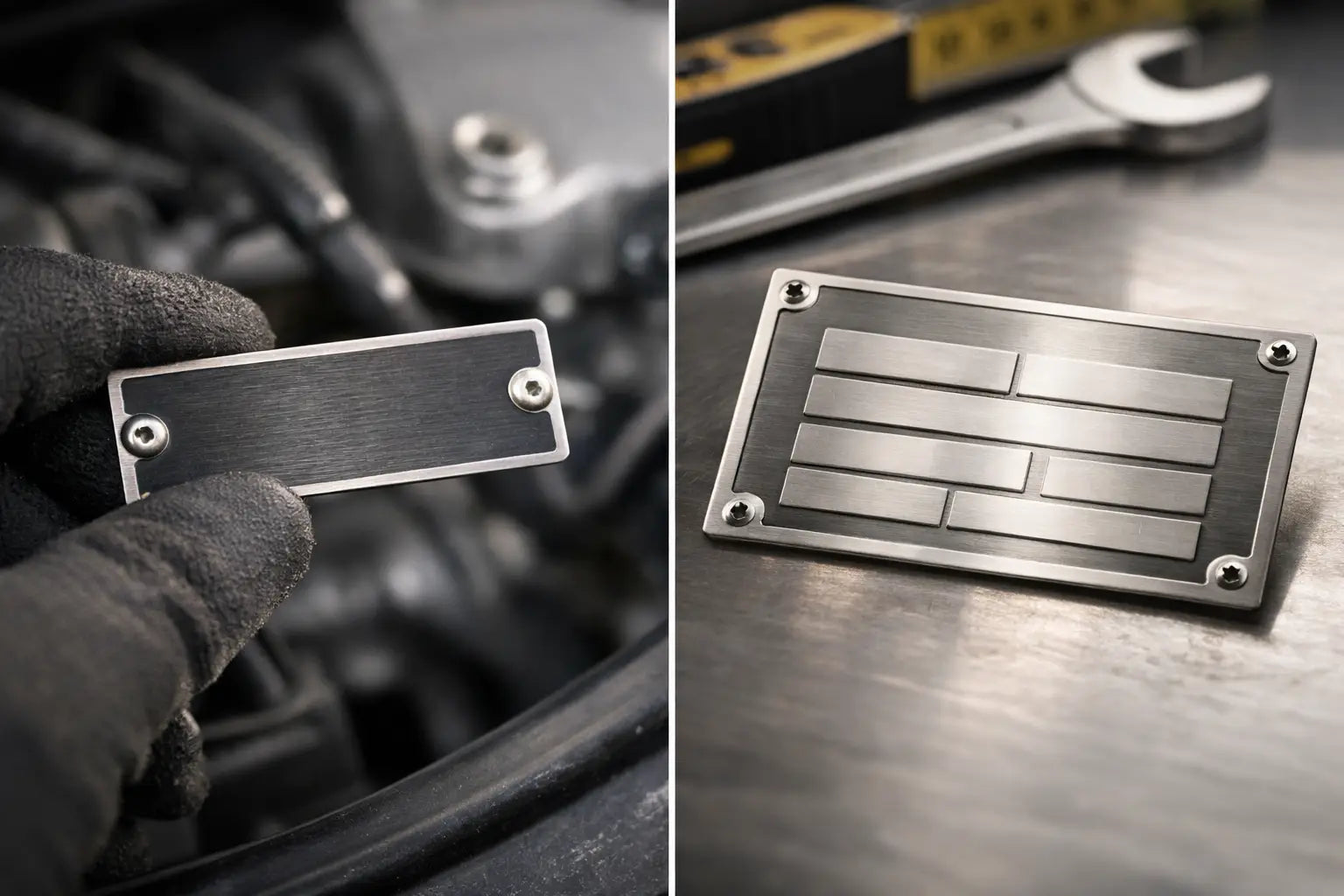
The builder plate replacement process is the controlled method used to reproduce and refit an identification or compliance plate when the original is lost, damaged or unreadable. In practice, that usually means confirming the legal or operational need for a replacement, verifying the original plate data, selecting a suitable material and fixing method, and ensuring the finished plate matches the required format for the asset.
This is where many replacements go wrong. Buyers sometimes treat the job like a simple engraving request, but a builder plate is not just a label. It may carry manufacturer details, VIN or serial information, load ratings, build dates, model references or approval markings that need to be accurate and durable for the life of the asset.
If the wrong data is copied, or the plate fails in service, you can end up with more paperwork, more downtime and more questions during an audit.
Why replacement is not always straightforward
The plate itself may be small, but the compliance context around it is not. A trailer builder plate is not handled the same way as an internal plant ID plate. A vehicle compliance plate may involve different rules from a workshop-fabricated equipment plate. Some assets sit under road registration frameworks, while others are governed more by internal maintenance systems, site standards or sector-specific requirements.
That is why the first step is always to establish what the plate is for. If it is tied to registration, certification or statutory approval, you need to confirm the replacement pathway before ordering anything. If it is primarily for asset identification and maintenance control, the process is usually more direct, but accuracy still matters.
The trade-off is speed versus verification. Moving fast is useful when equipment is off the road or off the job, but a rushed replacement with unverified information can create a bigger issue than the damaged plate you started with.
Start with proof, not production
Before any replacement plate is made, the original details need to be confirmed from reliable records. That might include manufacturer documentation, registration papers, engineering files, workshop build records, compliance certificates, fleet registers or previous asset photos.
If the original plate is still partly readable, capture everything you can before removal. Even a worn plate may still show enough detail to cross-check build dates, model numbers or stamped identifiers. Site teams often overlook this step and throw the damaged plate away too early, losing one of the best sources of reference.
Where the original manufacturer is still operating, it may be necessary to seek written confirmation of the approved wording or format. For older assets, particularly trailers, mobile plant or site-built equipment, internal records may be the only practical source. In that case, the more complete your documentation, the cleaner the replacement process will be.
The builder plate replacement process in practice
Once the data is verified, the replacement job becomes a specification exercise. The correct plate needs to reflect the original purpose, fit the mounting location and survive the operating environment.
In most cases, the process follows a clear sequence. First, confirm the asset type and the compliance requirement. Second, verify the exact data to appear on the plate. Third, choose the material, thickness and finish based on exposure and expected service life. Fourth, determine the fixing method, whether that is rivets, screws or another tamper-resistant approach. Finally, inspect the finished plate after installation to make sure the text is legible and the plate is secure.
That may sound basic, but each stage has practical consequences. If the plate sits on outdoor equipment exposed to UV, washdowns, dust and abrasion, a low-grade material will not last. If the plate is mounted near heat, chemicals or mechanical impact, adhesive-only fixing may not hold up. If the text size is too small, the plate may technically exist but still fail an inspection because it cannot be read.
Choosing materials that suit Australian conditions
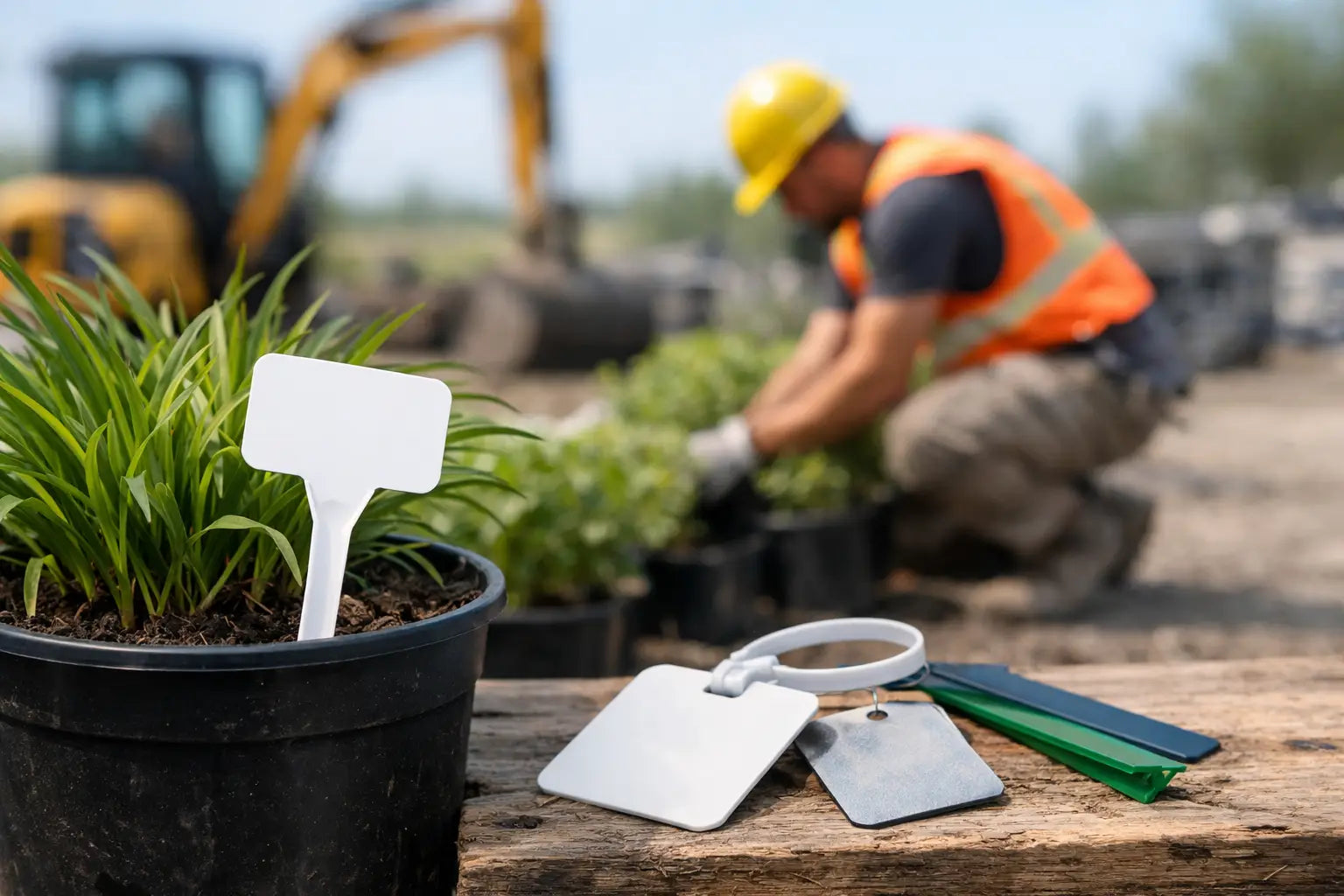
Plate replacement should be treated as a durability job, not just a data job. Australian conditions are hard on identification products. Sun, salt, grit, vibration and rough handling will quickly expose weak materials or poor engraving depth.
For many industrial applications, metal builder plates remain the preferred option because they offer long-term readability and better resistance to wear. The exact material depends on the environment and the asset. Aluminium is common where corrosion resistance and weight matter. Stainless steel may be a better fit for highly corrosive, coastal or chemical-heavy environments. Plate thickness also matters, particularly where flex, impact or aggressive cleaning is part of normal use.
A good replacement should be readable after years in service, not just when it leaves the workshop. That is why industrial buyers tend to prioritise engraved or permanently marked plates over cheaper short-life substitutes.
Common risks during builder plate replacement
Most replacement problems are avoidable. The common failures are incorrect data entry, poor material selection, weak fixing, and assuming all plates follow the same rules.
One risk is reproducing information from an unofficial source. If details are pulled from handwritten notes or an outdated spreadsheet without cross-checking, the plate can end up carrying errors that spread through maintenance records and compliance documents. Another is replacing a metal plate with a printed alternative that fades or peels in service.
There is also the issue of over-customising. A custom plate is useful when it helps match the application, but layout changes should not compromise legibility or remove required information. Industrial plates need to be clear first and neat second.
When a custom plate makes sense
Not every replacement is a one-for-one copy from a standard shelf item. Older equipment, modified plant, specialised trailers and workshop-fabricated assets often need custom sizes, hole positions, data fields or material grades.
That is where a supplier with industrial plate experience adds value. The job is not just producing a plate with text on it. It is understanding how the plate will be used, what needs to stay legible, what fixing method suits the substrate, and how quickly it needs to be turned around so operations are not held up.
For buyers managing multiple assets, consistency matters as well. Standardising plate layouts across a fleet or site can make inspections faster and reduce identification errors. Prime Tags Australia works with this kind of requirement regularly, particularly where harsh conditions, custom data fields and dependable lead times are all part of the brief.
What buyers should have ready before ordering
A smooth replacement starts with good information. If you are ordering a new builder plate, have the asset identifier, confirmed plate wording, dimensions, fixing details and any supporting compliance records ready before production begins.
Photos help as well, especially if the mounting location is unusual or the original plate used a specific layout. If there is uncertainty around required wording, it is worth sorting that out before manufacture rather than remaking plates later.
This is especially relevant for procurement teams handling multiple replacements at once. Grouping the jobs can save time, but only if each asset record has been checked properly. Bulk ordering bad data just creates bulk rework.
Final checks after installation
Once the new plate is fitted, the job should not end there. Check that the plate is secure, correctly positioned and readable from a practical inspection distance. Then update the relevant maintenance, fleet or compliance records so the replacement is documented.
That record matters. If the asset is audited later, being able to show when the plate was replaced and what source information was used helps demonstrate control over the process. It also makes future maintenance easier if the plate is ever damaged again.
A builder plate does a quiet but critical job. Replace it with the same level of care you would apply to any other compliance component, and you avoid the sort of small failure that causes bigger headaches on site.