
A faded asset label on a pump, extinguisher or site bin is not just untidy - it slows inspections, creates avoidable replacement work and can turn a simple ID check into a compliance problem. If you need to know how to prevent label fading outdoors, the answer starts well before the label is applied. Outdoor performance comes down to matching material, print method, adhesive and placement to the actual conditions on site.
In Australia, those conditions are harder than many standard labels can handle. UV is aggressive, heat cycles are constant, and wind-driven dust, salt, moisture and washdowns all wear away at the print surface. That is why outdoor labels fail in different ways. Some bleach out in the sun. Some go brittle and crack. Some stay readable but lift at the edges until they are gone altogether.
How to prevent label fading outdoors starts with material choice
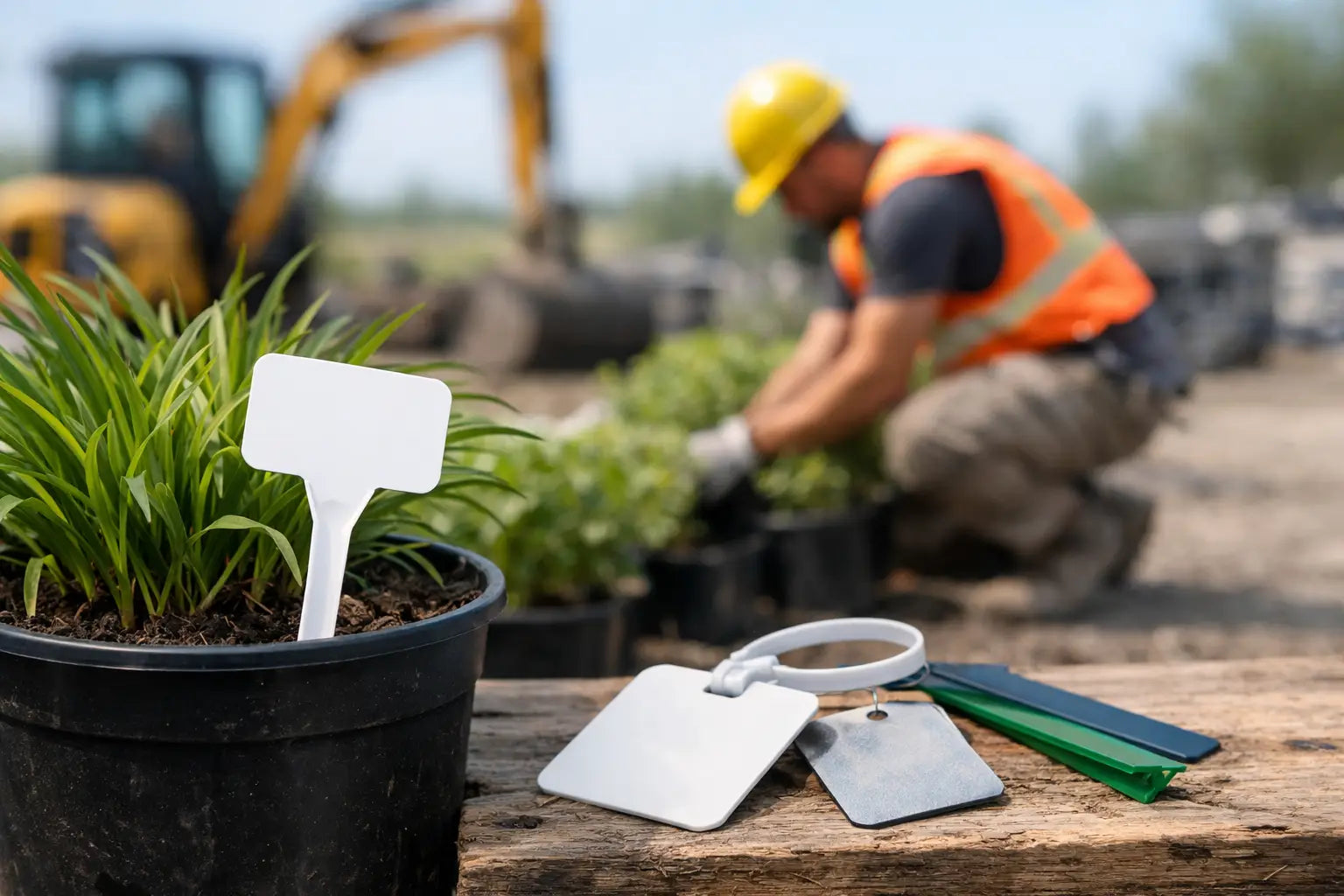
The biggest mistake is treating all labels as if they are built for the same job. A paper label with general-purpose adhesive might look fine on day one, but it has no place on outdoor plant, mobile equipment or exposed compliance points. If the label will face sun, rain, grit or chemical contact, the face stock needs to be selected for outdoor use from the start.
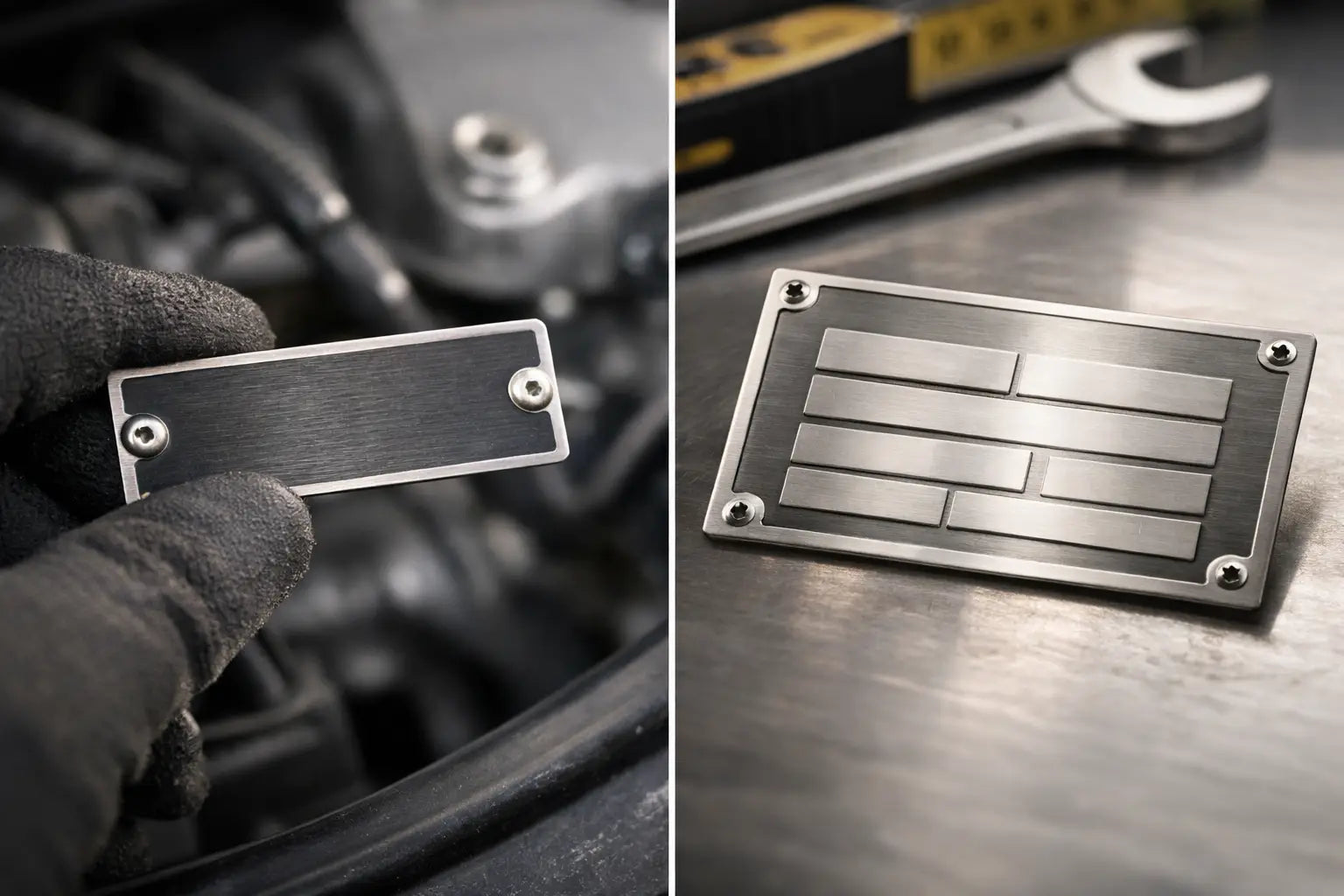
Polyester and other industrial synthetic materials are often the better fit for exposed conditions because they hold print sharply, resist tearing and cope better with heat and moisture than cheaper options. Where impact, abrasion or long service life are major concerns, metal plates or metal-backed identification can be the smarter choice. For plant and equipment that stay outdoors year-round, that extra durability usually costs less than repeated replacements.
The trade-off is straightforward. Lower-cost materials may suit short-term projects, temporary site identification or labels used in partially protected areas. For critical asset identification, inspection status or compliance information, short-term savings often disappear once relabelling labour and downtime are factored in.
Print method matters as much as the label stock
A good material can still fail if the print system is wrong. Outdoor fading is often a print problem before it is a substrate problem. If the image or text sits on the surface without enough resistance to UV and abrasion, it will gradually lose contrast until barcodes stop scanning and serial numbers become hard to read.
Thermal transfer printing with the right ribbon can deliver strong durability for many industrial applications, especially when paired with a suitable synthetic stock. Resin ribbons generally offer better resistance than wax-based options in harsh environments. In more demanding settings, embedded or protected print systems may be needed so the information is not left exposed to direct wear.
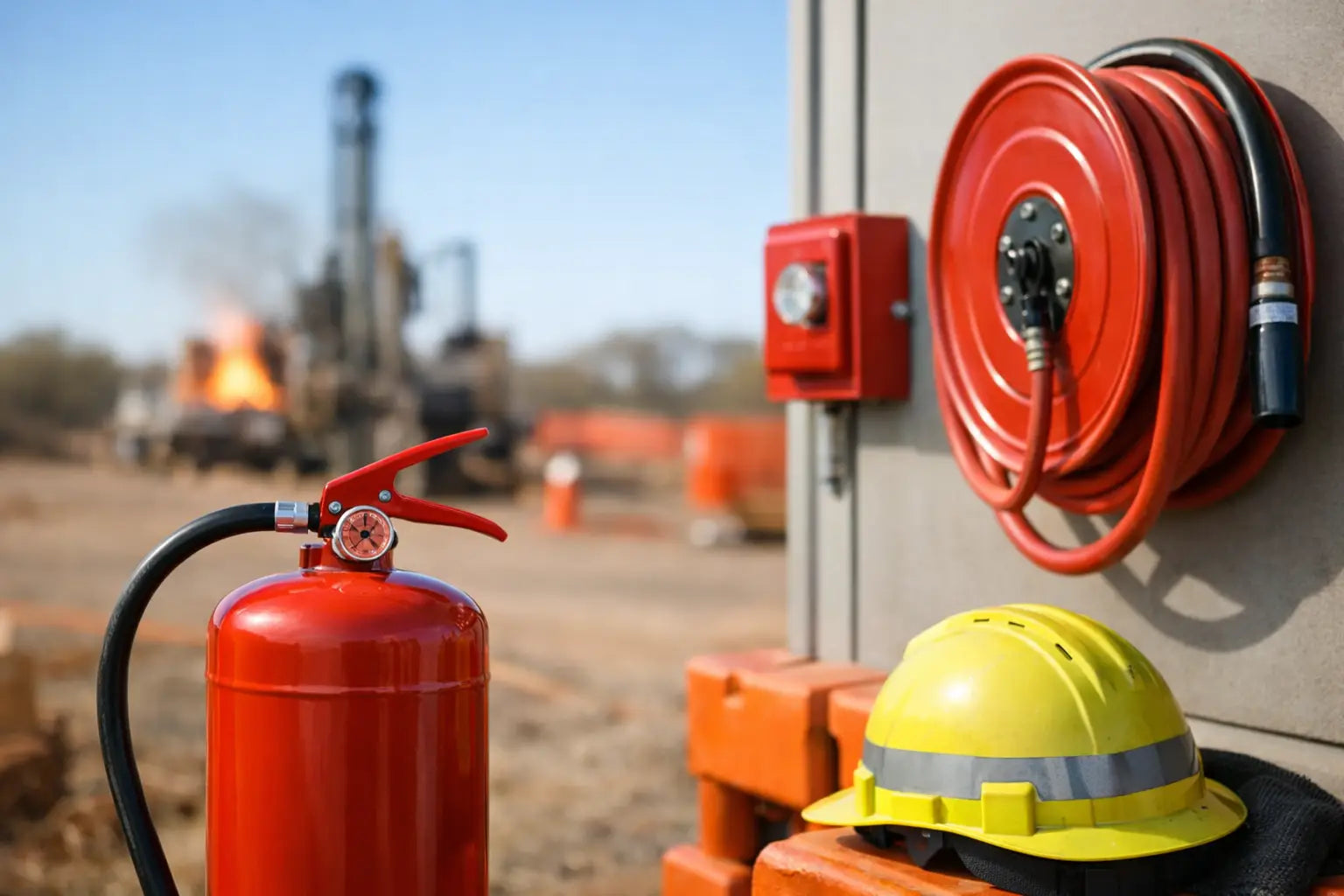
This is where application really matters. A hose label exposed to flexing, water and handling has different print demands from a fixed asset label on a switchboard enclosure. A trailer plate, fire equipment label or lifting tag each face their own mix of UV, abrasion and compliance risk. The more critical the information, the less sense it makes to rely on a light-duty print process.
Surface protection can extend service life
Overlaminates and protective coatings can help, but they are not a cure-all. Used properly, a clear protective layer reduces direct UV exposure and abrasion on the printed surface. That can materially improve legibility over time, particularly for barcodes, serial data and small text.
But protection layers still need to suit the job. If the laminate is not rated for outdoor use, it can yellow, crack or peel. In high-heat areas, some coatings also change appearance faster than expected. Protection works best when it is part of a complete specification, not an afterthought added to a weak base label.
Adhesive failure often gets mistaken for fading
When a label starts lifting, shrinking or collecting dirt under the edges, the printed face can deteriorate much faster. People often call that fading, but the root issue is poor adhesion. Once moisture, dust and air get under the label, the service life drops quickly.
Outdoor labels need adhesives matched to the mounting surface and environment. Powder-coated metal, textured plastic, painted machinery, curved surfaces and low-energy plastics all behave differently. A label that bonds well to smooth stainless steel may struggle on a rough polyethylene bin or a dusty painted guard.
Surface preparation also counts. If the area is oily, chalky, damp or covered in fine dust, even a good adhesive can fail early. For most industrial applications, the surface should be clean, dry and stable before application. If the asset is freshly painted, recently washed or still warm from operation, timing can affect bond strength.
Installation conditions are part of the label spec
Many outdoor label failures begin during install. Applying labels in direct sun onto hot equipment can cause problems. So can fitting them in wet conditions or onto surfaces that have not been properly cleaned. Adhesives need contact and cure time. If a newly applied label is immediately pressure washed or exposed to heavy handling, performance can drop.
For that reason, it helps to treat installation as part of the control process. Specify who applies labels, how surfaces are prepared and when equipment can return to service. For high-volume rollouts across a yard or fleet, consistency matters just as much as the label itself.
Placement has a direct impact on outdoor fading
If you are working out how to prevent label fading outdoors, placement is one of the simplest gains available. Labels mounted on the hottest, most exposed face of an asset will age faster than labels placed under a lip, beside a guard or on a more sheltered panel. Full sun, reflected glare and constant abrasion all shorten life.
That does not mean hiding critical information where no one can find it. It means choosing a location that stays accessible while reducing unnecessary exposure. On mobile plant, for example, labels near high-contact entry points or mud-spray zones often wear faster than equivalent labels placed slightly higher or more protected. On fixed equipment, the northern exposure may take more punishment over time than a shaded side.
There is always a balance. Compliance labels need to remain visible and readable for inspections. Asset tags need to be located where technicians expect to find them. The right answer is usually a visible position with some physical protection, not the first flat surface available.
Match the label to the real site conditions
Not all outdoor environments are the same, even within one facility. Coastal locations bring salt. Mining and quarry operations add abrasive dust. Utilities and water infrastructure deal with moisture and regular washdown. Transport fleets face road grime, fuel splash and constant handling. If the label spec ignores those conditions, fading and failure arrive early.
That is why buyers should define the exposure, not just the asset. Ask how much UV the label will receive, whether the surface heats up, whether chemicals or degreasers are used, whether the item flexes, and how often it is handled or cleaned. A label on a static yard sign has a different job from one on a harness register tag, hose assembly or vehicle compliance point.
Prime Tags Australia works with industrial buyers who need that level of fit-for-purpose thinking, because harsh Australian conditions punish generic products quickly. A label that looks acceptable on a desk sample can perform very differently after six months on a live site.
When a label is not the best solution
Sometimes the best way to prevent fading is not to use a standard label at all. For long-life identification exposed to severe weather, abrasion or chemicals, metal asset plates and compliance plates can be the stronger option. They cost more upfront, but they deliver better permanence where relabelling is a poor use of labour or where unreadable identification creates audit risk.
This matters most for fixed assets, fleet identification, plant records and compliance markings expected to last years rather than months. If the information is critical and the environment is unforgiving, stepping up from a label to a plate is often the practical decision.
Build replacement planning into the process
Even well-specified outdoor labels do not last forever. UV, abrasion and site wear are cumulative. The goal is not immortality. The goal is reliable legibility for the required service life. That means inspection intervals should include labels and tags, especially on high-risk or high-exposure assets.
If a site already knows which assets fade fastest, that history should shape the next order. Upgrade the material, change the print method, improve placement or move to a more durable format. Good label control is not just buying tougher stock. It is using field feedback to reduce repeat failures.
The practical path is simple. Start with the condition, not the price. Specify the material for UV and wear, choose a print method that will hold up, match the adhesive to the surface, install it properly and place it where it can be read without taking the full force of the environment. That is how outdoor labels stay readable longer, replacements drop, and compliance stays under control.