

In the industrial sector, "close enough" is never good enough. When it comes to Lockout/Tagout (LOTO) procedures, a single oversight isn't just a compliance issue: it’s a direct threat to the lives of your crew. If you’re managing a mine site, a manufacturing plant, or a heavy-duty workshop, your lockout tags are the last line of defense between a routine maintenance job and a catastrophic energy release.
Site audits have a way of exposing the cracks in your safety system. Whether it’s a faded tag that’s impossible to read or a generic label that doesn't meet Australian Standards, these small errors lead to big fines and even bigger risks.
At Prime Tags, we don’t do "flimsy." We build products for the grit and heat of the Australian landscape. To help you stay compliant and keep your team safe, we’ve identified the 7 most common mistakes site managers make with lockout tags and, more importantly, how to fix them before the auditor walks through the gate.
1. The "Fade Away": Using Tags That Can’t Handle the Sun
Australia’s UV radiation is brutal. If you’re using generic, imported tags, you’ll notice they start to yellow, crack, and fade within months. A lockout tag that is illegible is as good as no tag at all. If an operator can't see the "DANGER" warning or identify who placed the lock because the ink has bleached out, they might assume the isolation is old or finished.
The Fix: You need UV-stable, weather-resistant materials designed specifically for the Australian climate. Our tags are Built for Australia's toughest conditions, ensuring they won't fade, tear, or fail when exposed to the elements. Stop buying office-grade labels for industrial-grade environments.

2. The "Identity Crisis": Missing Critical Information
A lockout tag is a communication tool. According to AS 1319-1994, safety signs and tags must be clear and provide specific information. A common mistake is using tags that only say "DANGER" without providing the context of who is working, what department they are from, and when the tag was placed.
During an audit, if a safety officer finds a "ghost tag" (a tag with no name or date), it’s an immediate non-compliance strike.
The Fix: Standardize your tags with designated fields for:
- Name of the authorized person
- Date and time of isolation
- Department/Contact number
- Reason for the lockout
Consider Custom Safety Tags that allow you to pre-print your company logo and specific site requirements, making it impossible for workers to skip these crucial details.
3. The Tagout-Only Trap: Confusing Tags with Locks
This is a major regulatory error. Under AS/NZS 4024, a tag is not a physical restraint. One of the biggest mistakes seen in the field is workers placing a tag on a switch without a physical lock, assuming the tag alone will prevent someone from re-energizing the machine.
Tags provide information; locks provide isolation. Relying on "tagout-only" is only permissible in very specific circumstances where a lock cannot be physically applied, and even then, additional safety measures are required.
The Fix: Ensure your LOTO kits include both heavy-duty tags and high-quality padlocks. Designed Right, Built Strong, Delivered on Time: our tagging solutions are designed to work seamlessly with standard industrial locks, ensuring your isolation procedure is iron-clad.

4. Material Failure: Tearing Under Pressure
In a high-vibration environment or a high-wind site, cheap plastic tags simply snap off. We’ve seen sites where tags have been "repaired" with duct tape or zip-tied in ways that obscure the text. If a tag falls off, the isolation is effectively broken, and the equipment is no longer safe.
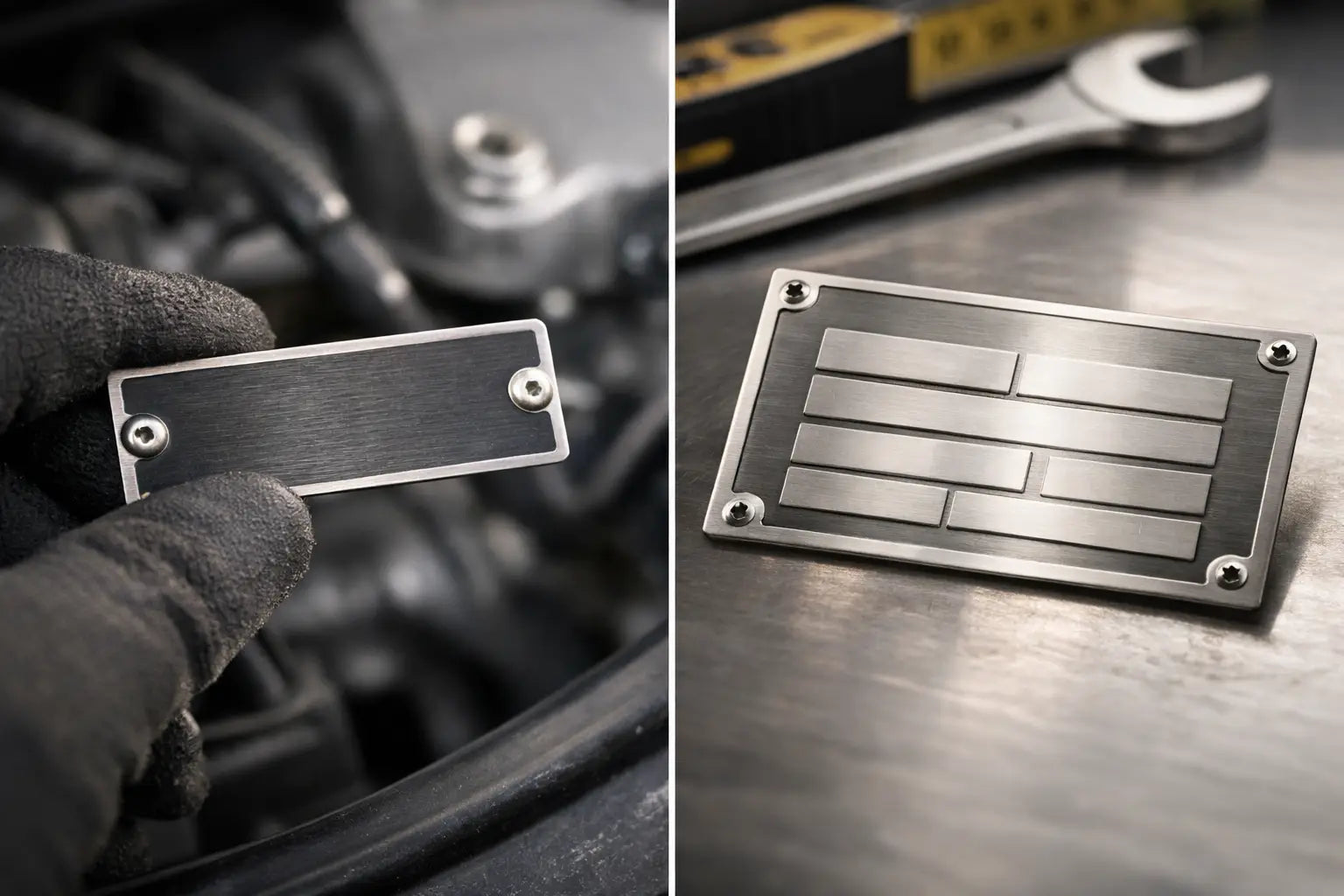
The Fix: Switch to heavy-duty, high-strength materials. Our tags are made with 100% Australian materials that are built to resist tearing and chemical exposure. Whether it’s oil, grease, or high-pressure hosing, your tags need to stay exactly where you put them. If you’re dealing with extreme heat, look into Stainless Steel Asset Plates for permanent isolation points.
5. Lack of Site-Wide Standardization
If your electrical team is using red tags, your mechanical team is using yellow, and your contractors are bringing their own from home, you have a recipe for confusion. A site audit looks for consistency. When every tag looks different, it takes longer for workers to process the information, increasing the chance of human error.
The Fix: Implement a site-wide tagging standard. Use a consistent color-coding system (e.g., Red for Danger/Isolation, Yellow for Out of Service, Green for Inspected). Using a Flange Safety Tag Set or specialized Industrial Labels across all departments ensures that everyone speaks the same visual language.

6. "General Purpose" Confusion: Using Safety Tags for Info
Using a "Danger Do Not Operate" tag to let people know a machine is just "a bit glitchy" or needs a routine oil change is a dangerous habit. This is known as "safety tag fatigue." When workers see danger tags everywhere for non-critical issues, they begin to ignore them.
The Fix: Reserve your lockout tags for true energy isolation. For general maintenance notes, use "Out of Service" or "Information" tags. This maintains the authority of the lockout tag and ensures that when someone sees one, they know it means a life is on the line. Refer to our Ultimate Guide to AS/NZS 3760 to see how different tagging standards apply to different site needs.
7. Failing the Periodic Inspection: "Set and Forget" Mentality
Many managers think that once a LOTO procedure is written, the job is done. However, Regulation 208 and 209 of Australian WHS laws require that isolation procedures are not just present, but functional. Audits often fail because tags have been left on equipment for months after the work was completed, or because the "authorized employees" are using tags incorrectly.
The Fix: Conduct your own internal "pre-audits." Walk the site and check:
- Are all tags currently in use legible?
- Are the mounting points secure?
- Are old tags being removed promptly?
If you find your current tags aren't holding up, it’s time to upgrade.
The Bottom Line: Don’t Get Caught Out
A site audit shouldn't be a source of stress. It should be a validation that your safety systems are the best in the business. By moving away from cheap, generic imports and investing in tough, durable, and dependable tagging solutions, you protect your workers and your bottom line.
At Prime Tags, we stand by our quality with a Lowest Price Guarantee: we will beat any price by 15%. We offer fast turnaround and daily shipping Australia wide, so you never have to wait for the protection your site deserves.
Stop settling for tags that fail when the grit hits the fan. Keep your site compliant, keep your team safe, and keep your project moving.