
A faded asset label on a switchboard or a peeling hose ID on a mine site is not a minor annoyance. It slows inspections, creates doubt during audits, and usually ends with someone ordering replacements far sooner than expected. That is why custom industrial labels that Australian businesses specify need to be built for the real conditions they face - hard sun, abrasive dust, washdowns, chemicals, rough handling and long service life.
For procurement teams, maintenance coordinators and HSE managers, the question is not whether a label can be printed. The question is whether it stays legible, fixed in place and fit for purpose once it hits the site. In industrial settings, a label is part of the operating system. It helps identify assets, support traceability, reinforce safety controls and meet compliance requirements without creating another maintenance problem.
What custom industrial labels in Australia actually need to handle
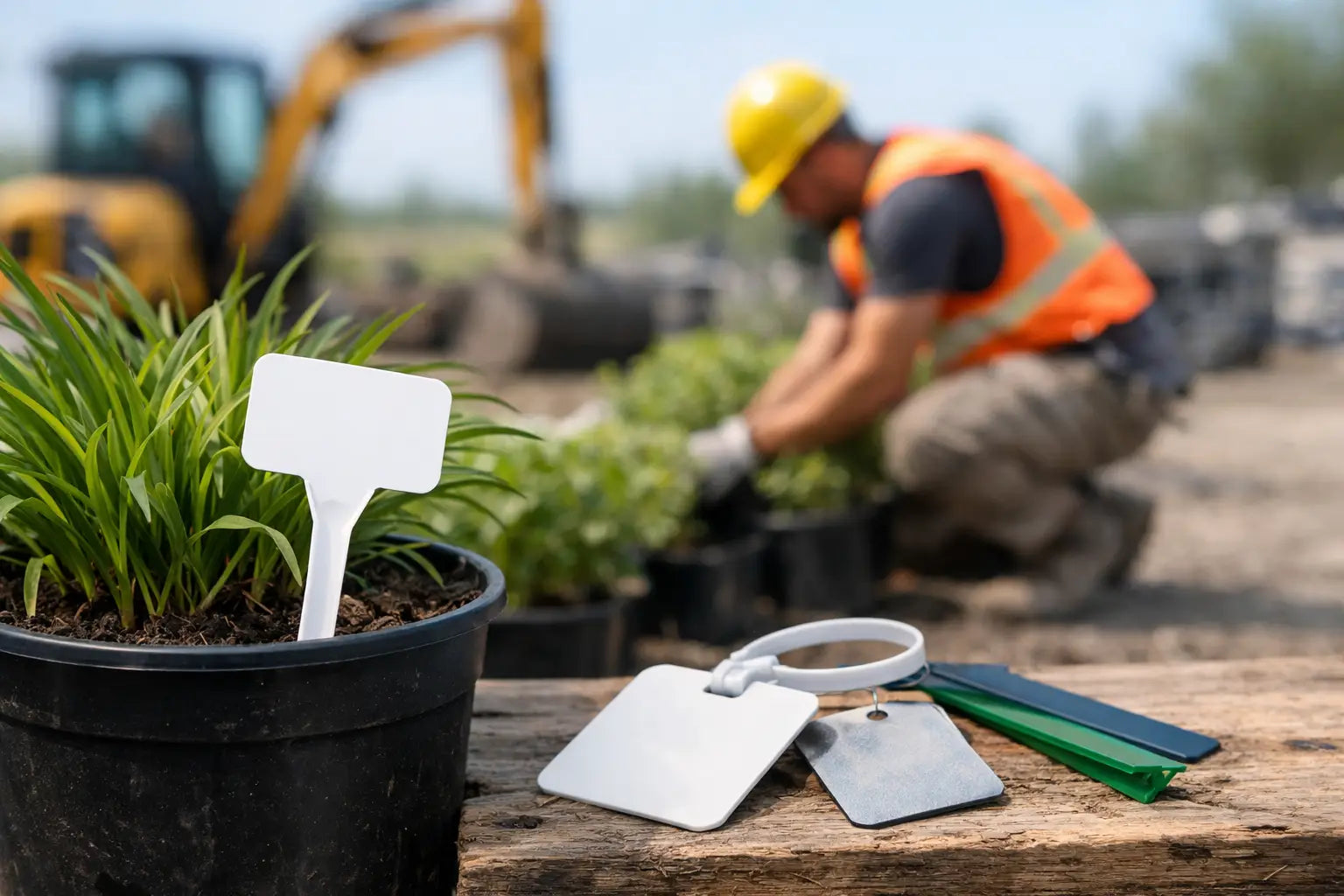
Industrial buyers in Australia usually learn the same lesson the expensive way. A label that looks fine in the carton can fail quickly once it is exposed to local conditions. UV is brutal, especially in exposed yards, transport fleets, utilities infrastructure and construction environments. Add grit, oil, moisture, cleaning chemicals and regular abrasion, and lower-grade materials start to curl, crack or lose print clarity.
That is why material selection matters as much as artwork or adhesive. Polyester, vinyl, aluminium-based options and specialised synthetics all have a place, but the right choice depends on the surface, the environment and the compliance requirement. A barcode label used in a warehouse has a different job to a plant asset label fixed to outdoor equipment, and both differ again from labels used on lifting gear, fire equipment or mobile plant.
Customisation also needs to go beyond adding a logo. Industrial labels often need variable data, serial numbering, barcodes, QR codes, inspection fields, rating information, equipment IDs or site-specific wording. If that information is not clear and durable, the label has failed its job before the asset even reaches mid-life.
Why off-the-shelf labels often fall short
Standard labels can work for low-risk indoor applications, but many industrial sites do not operate in low-risk conditions. Generic stock sizes and materials may save time at the ordering stage, yet they often create problems later. If the adhesive is wrong for powder-coated metal, textured plastic or oily surfaces, labels lift. If the face stock cannot handle UV or abrasion, print fades. If the format is too small or the layout is cluttered, crews stop trusting what they read.
There is also the compliance issue. Many businesses need labels that align with internal asset systems, inspection workflows or external regulatory expectations. A one-size-fits-all product rarely suits that level of specificity. Custom labels solve that by matching the exact application rather than forcing the site to work around a generic product.
This is where experienced suppliers stand apart. They look at the use case first - where the label goes, what it must show, what conditions it will face, and how long it needs to last. That approach reduces replacement cycles and avoids the false economy of cheap labels that need constant reordering.
Custom industrial labels Australian sites use every day
The term covers more ground than many buyers expect. Asset labels are an obvious category, especially for plant, tools, switchboards, machinery and infrastructure. These may include sequential numbering, barcodes, QR codes or company branding for faster tracking and maintenance control.
Compliance labels are another major area. These support inspection programs, equipment identification and mandatory information display across transport, fire protection, lifting equipment and general site operations. The exact format varies, but the requirement is constant - they need to remain readable and attached for the life expected of the item or inspection cycle.
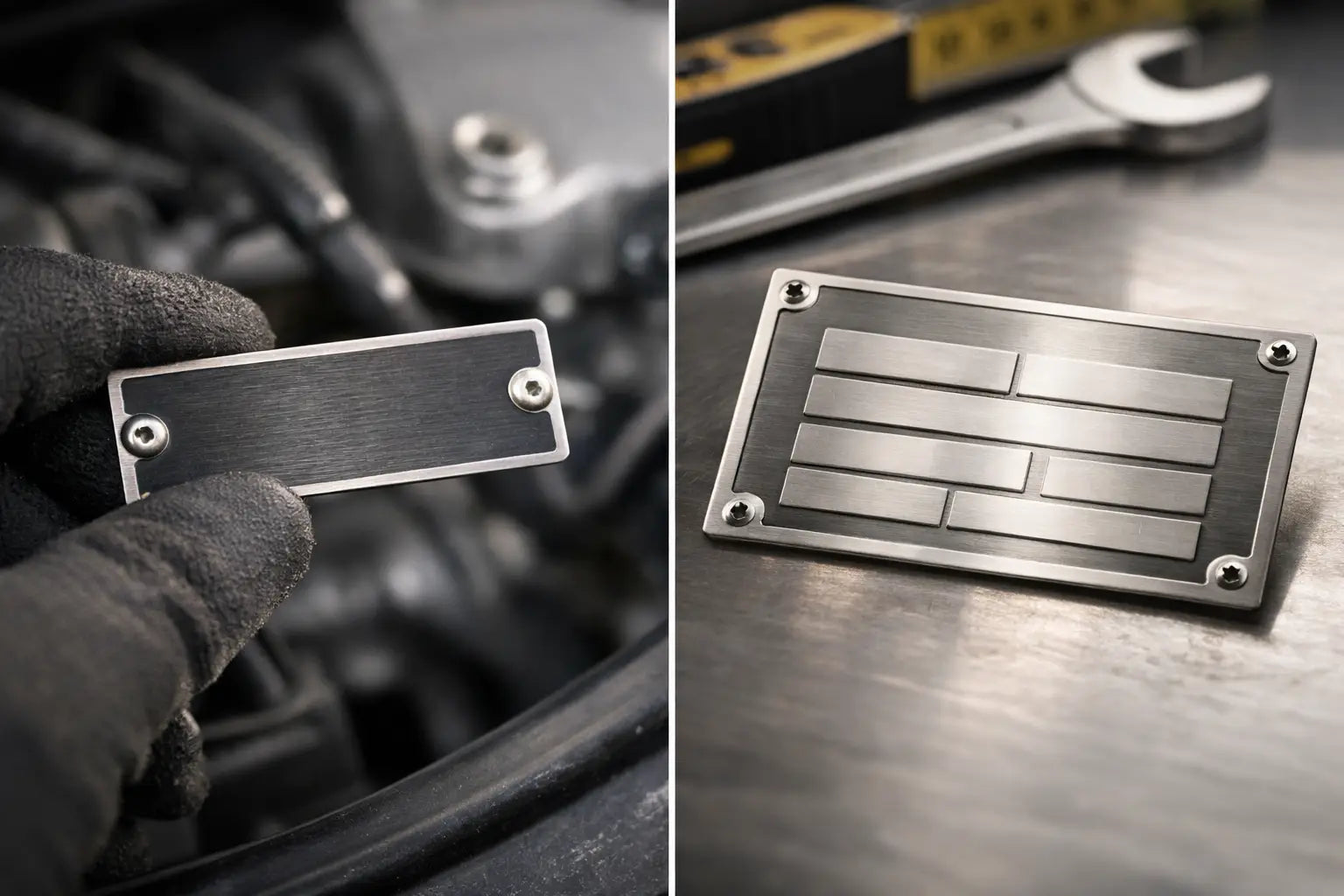
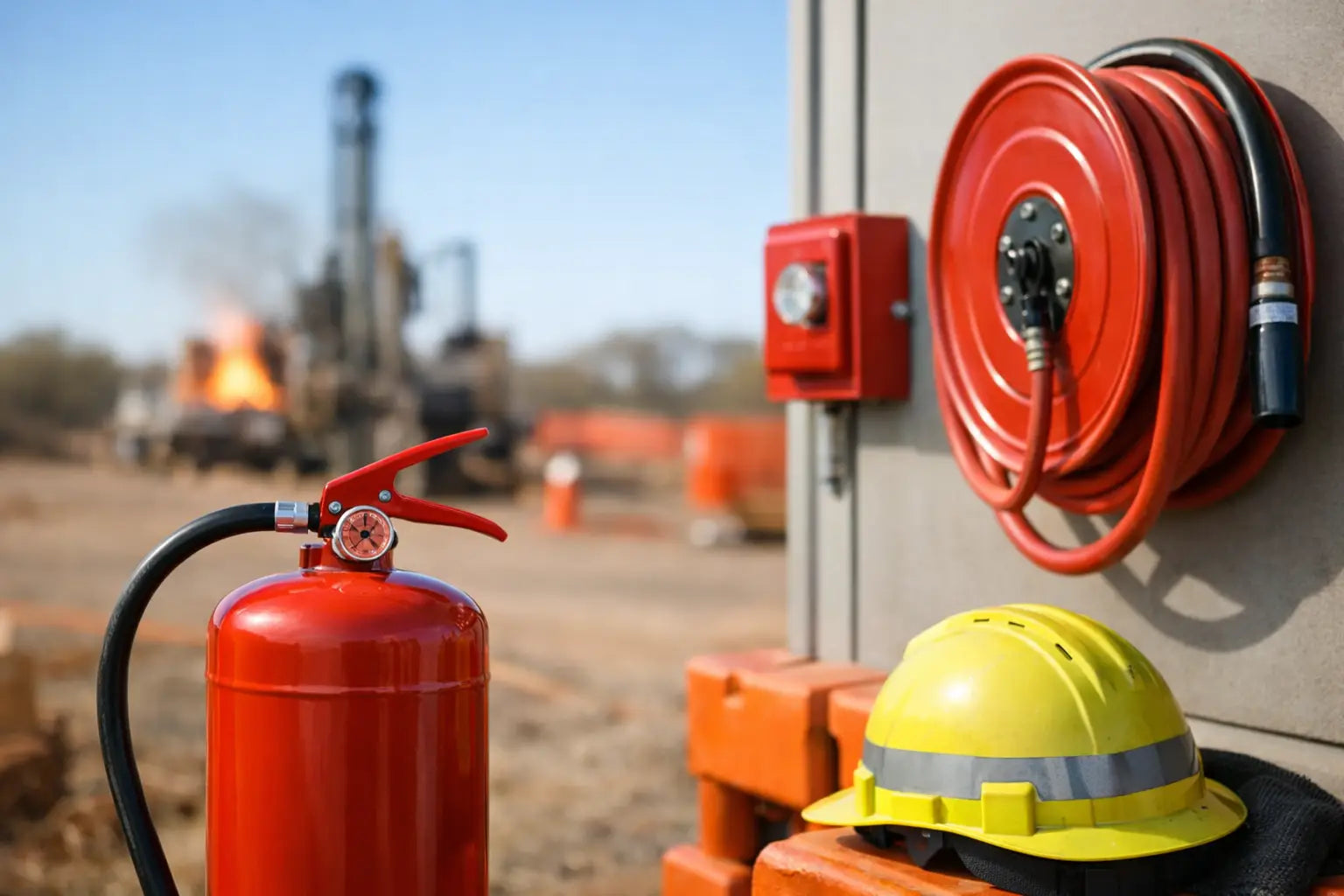
There is also strong demand for specialised labels and plates used in harsher or more regulated settings. Think hose labels, fire extinguisher labels, trailer VIN plates, vehicle compliance plates, metal asset plates and labels for lifting or rigging equipment. In those applications, durability and accuracy matter just as much as presentation.
How to choose the right label for the job
The quickest way to get this wrong is to focus only on dimensions and print. Start with the operating environment. Is the item indoors or fully exposed? Will it face washdowns, solvents, salt, heat or constant abrasion? Is the surface smooth, rough, curved or powder-coated? Does the label need permanent adhesion, tamper evidence or the ability to survive years without replacement?
Next, look at the information requirements. A simple asset number is straightforward. A compliance label with variable data, service fields, barcodes and safety text needs a more considered layout. Readability matters on site. If workers need to squint, scan twice or wipe grime off to interpret it, the design is not doing its job.
Then consider lifecycle and volume. A short-run custom job for a project handover has different priorities to an ongoing national rollout across multiple sites. Some buyers need fast repeatability so every future order matches the existing system. Others need a one-off format tailored to a difficult application. Both are valid, but they should influence material choice, production method and supplier support.
The role of local manufacturing and Australian materials
For industrial buyers, local supply is not just a preference badge. It affects lead time, consistency and confidence. When labels are made using Australian materials and tailored for Australian conditions, there is usually a better match between what is promised and what arrives on site.
That matters when delivery windows are tight or projects cannot wait on imported stock. It also matters when a buyer needs samples, revised artwork, a custom size or a quick re-run without weeks of back-and-forth. Local production supports faster quoting, shorter turnaround and clearer communication when specifications change.
Prime Tags Australia operates in that space for a reason. Industrial buyers do not want vague assurances. They want labels and tags built for the conditions they actually manage, backed by responsive service and dependable dispatch.
Durability is not a feature - it is the baseline
Industrial labels are often treated as small-ticket items, but they carry outsized operational value. If a barcode cannot scan, a maintenance record can break down. If a compliance label goes missing, inspection confidence drops. If asset IDs become unreadable, stock control and traceability suffer. Small failures spread quickly through the workflow.
That is why durability should be viewed as baseline performance, not a premium add-on. Print needs to stay legible. Adhesives need to hold. Materials need to resist shrinking, peeling and fading under Australian exposure. The right custom label reduces rework, supports audit readiness and helps crews trust what they are looking at.
Of course, there are trade-offs. The toughest specification is not always needed for every application, and overspending on heavy-duty materials for a sheltered indoor environment may not make sense. The point is to match the build to the job, not to buy the most expensive option by default.
What good supplier support looks like
A capable supplier should be able to do more than print artwork. They should help narrow down material options, advise on layout, flag issues with readability, and understand the compliance context around the label. For many buyers, especially those managing mixed fleets, plant registers or multi-site assets, that support is what keeps the order process efficient.
Fast turnaround also matters, but speed without accuracy is no help. A reliable supplier balances both. They confirm specifications, provide practical recommendations and deliver products that are ready to perform on arrival. Free samples can be useful here, particularly when the application is unusual or the site has had label failures before.
Price will always be part of the discussion, especially in procurement. Fair enough. But price should be measured against service life and replacement frequency, not just the unit rate on the quote. A cheaper label that fails early usually costs more by the time labour, downtime and reordering are added in.
Custom industrial labels Australian businesses should expect more from
Industrial labels do not need fancy language. They need to work. That means staying readable, staying attached and supporting compliance without becoming another maintenance issue. Whether the job is asset identification, barcode tracking, fire equipment marking, fleet compliance or harsh-environment plant labelling, the best result comes from choosing a label built around the application rather than forcing the application to fit the label.
If your current labels are fading, lifting or creating doubt during inspections, that is usually a sign the specification is wrong, not that the site is too hard on them. In Australian conditions, tough, well-made custom labels are not a luxury. They are part of running a safer, more efficient operation with fewer avoidable replacements.