
When a tag has to stay attached through heat, grit, washdowns and constant handling, failure usually starts at the fastening point. That is exactly why self locking inspection tags are widely used across plant, lifting gear, hoses, valves and mobile equipment. They remove the weak link of separate ties or fasteners and give maintenance teams a cleaner, faster way to identify inspected assets in the field.
For compliance-driven sites, that matters more than it sounds. A missing or loose inspection tag can create doubt straight away - has the asset been checked, is the date still current, and can the item stay in service? On a busy site, nobody wants to burn time chasing paper trails because a low-grade tag snapped, faded or fell off.
What self locking inspection tags actually do
A self locking inspection tag combines the tag body and the attachment method in one piece. Instead of adding wire, cable ties or split rings after the fact, the tag feeds back into itself and locks in place. That makes installation quicker and usually more consistent, especially when teams are tagging high volumes of equipment during scheduled inspections, shutdowns or commissioning work.
The obvious advantage is speed, but the bigger benefit is reliability. Fewer parts mean fewer points of failure. If the tag is designed properly, the locking section holds firm under vibration, weather exposure and day-to-day handling. That is a practical gain for industries where assets are moved, stacked, dragged, lifted or stored outdoors for long periods.
Where self locking inspection tags are used
Self locking inspection tags suit any application where the tag needs to stay physically attached without extra hardware. On Australian worksites, that often includes lifting slings, chains, harnesses, hoses, fire equipment, scaffolding components and portable plant. They are also useful for temporary inspections where a durable but simple attachment method saves labour.
In workshops and fabrication environments, they can be used to mark service status, inspection intervals or item identification on tools and equipment that are handled daily. In utilities and infrastructure settings, they are often chosen for valves, test points and field assets where exposure to sun, dust and moisture is constant.
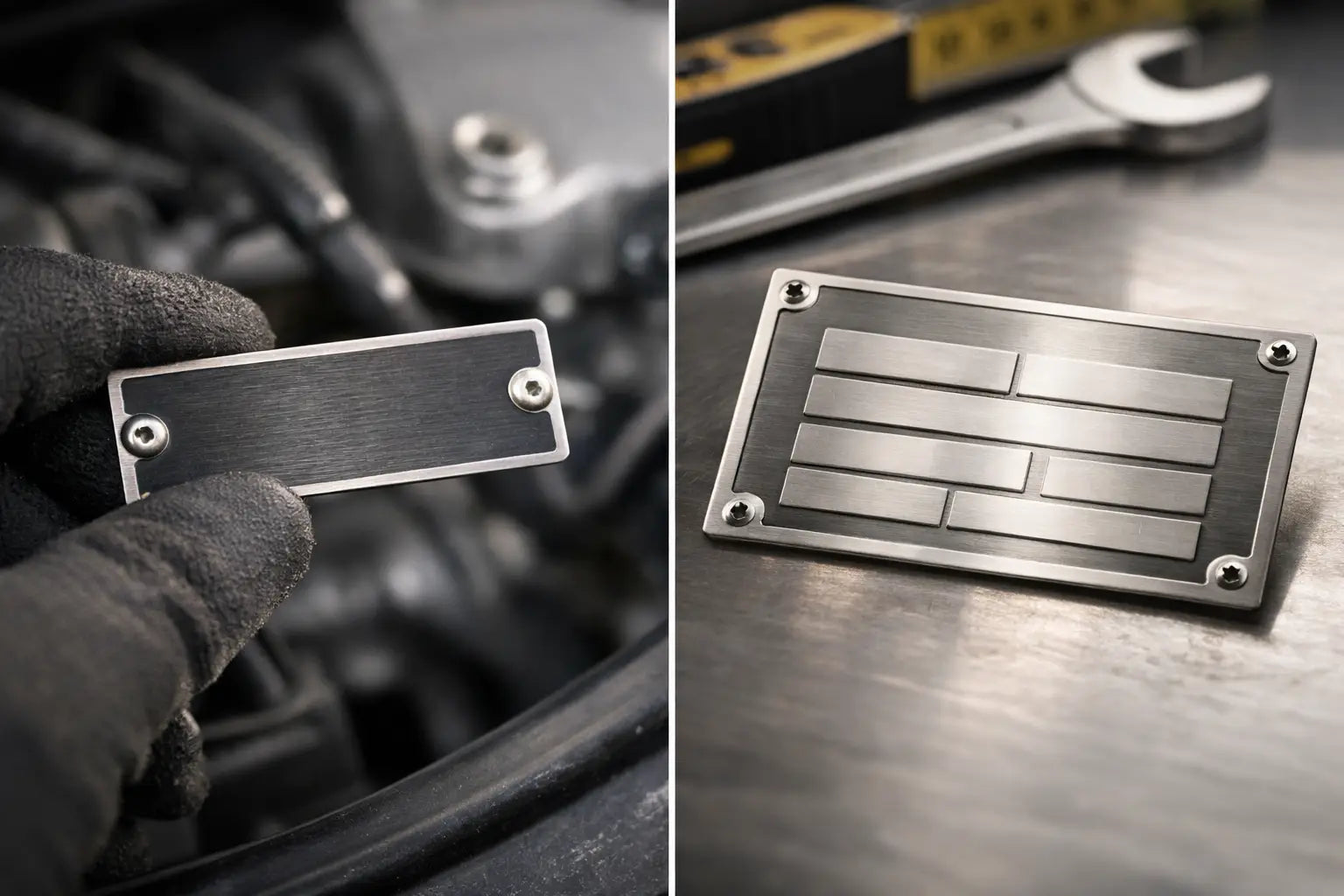
That said, they are not the answer for every job. If an asset faces extreme abrasion against steel edges, very high heat, aggressive chemicals or long-term outdoor exposure without shelter, the right material choice becomes critical. In some cases, a metal tag or plate may still be the better option.
Why material matters more than the locking feature
The lock gets attention because it is the visible feature, but material performance is what determines how long the tag remains legible and serviceable. A self locking inspection tag made from poor stock may attach well on day one and still fail early because the printed information fades, the body becomes brittle, or the surface scuffs beyond recognition.
For industrial buyers, the real question is not just whether the tag locks. It is whether it keeps doing its job after months of UV, grime, handling and site wear. In Australian conditions, UV resistance is a major factor. A tag that looks acceptable in a catalogue can degrade quickly if it spends its life on outdoor plant, transport equipment or exposed infrastructure.
Flexibility matters too. If the material is too stiff, installation can be awkward and cracking becomes more likely over time. If it is too soft, the tag may deform or tear under strain. The right balance depends on the application, which is why a one-size-fits-all tag range rarely works well across mixed fleets or multi-site operations.
Choosing self locking inspection tags for compliance work
If the tag supports inspection, maintenance or service records, legibility is non-negotiable. The print area needs to stay readable for the life of the inspection cycle, whether that is monthly, quarterly or annual. If the information includes dates, inspector details, asset numbers or status fields, the surface must also take writing or printing cleanly.
This is where procurement teams and HSE managers often run into hidden costs. A cheap tag may look like a saving on the purchase order, but if crews need to replace it early or rewrite faded details, the labour cost climbs fast. Worse still, if a tag becomes unreadable during an audit or field check, the operational risk outweighs the unit price difference.
Good self locking inspection tags should suit the actual inspection method used on site. Some teams need pre-printed layouts with fixed fields. Others need sequential numbering, barcodes, colour coding or custom wording for specific asset classes. For larger organisations, consistency across departments matters because mixed tag formats create confusion and increase admin errors.
What to specify before you order
The fastest way to get the right tag is to start with the use case, not the catalogue name. Think about what is being tagged, how long the tag needs to remain in place, what the environment looks like, and how the information will be added.
Attachment diameter is one of the first checks. If the locking loop is too small, installation becomes difficult. If it is too large, the tag may spin or sit poorly on the asset. Buyers should also consider whether the tag will be fitted with gloves on, in confined spaces, at height, or during rapid inspection rounds where ease of use matters.
Printing requirements come next. Permanent variable data, handwritten fields, company branding, asset numbering and colour-based inspection systems all affect the best tag format. There is no point ordering a durable tag body if the marking method cannot hold up to the same conditions.
Then there is volume. Some sites need a few hundred tags for a defined program, while others need ongoing supply across multiple branches. Consistent stock quality and repeatability matter here. If a tag changes size, material or print performance between orders, site procedures can become messy quickly.
Customisation is not just about branding
On industrial sites, customisation is operational. A custom self locking inspection tag can help crews identify status faster, separate business units, track asset classes or align with internal compliance systems. That might mean distinct colours for inspection periods, pre-printed service prompts, site-specific wording or unique numbering tied back to an asset register.
This is especially useful where multiple contractors or departments share equipment. A generic tag may technically do the job, but it often slows identification in the field. A customised tag can reduce hesitation and make it easier for inspectors, supervisors and auditors to verify the right information quickly.
For Australian businesses dealing with harsh conditions, customisation should never come at the expense of durability. There is no value in a polished design if the print lifts, the tag cracks or the locking section weakens under use. The best result is a tag built around the environment first, then tailored to the workflow.
Common buying mistakes
One common mistake is choosing purely on price without checking life expectancy in the actual environment. Another is treating all inspection tags as interchangeable, even when the assets and conditions are completely different. A hose assembly in a wet, abrasive area does not place the same demands on a tag as a harness stored indoors.
Another issue is underestimating lead time when custom information is required. If tags are needed for a shutdown, a fleet roll-out or a compliance update, planning ahead matters. Last-minute substitutions often lead to poor fit, inconsistent marking or short-term fixes that create more work later.
It is also worth testing before committing to a large run. A sample in the real application can reveal problems that are hard to spot on paper, such as awkward installation, poor contrast, or movement on the asset once fitted. For many buyers, that small check prevents an expensive mismatch.
Why Australian conditions change the buying decision
A tag that performs well in mild indoor conditions may struggle badly on an exposed Australian site. Strong UV, dust, salt, wind and heat cycles all take a toll on plastics and printed surfaces. Add in rough handling, tool contact and washdowns, and weak tags are found out quickly.
That is why locally informed material selection matters. Industrial buyers need tags designed for the conditions their crews actually work in, not general-purpose products that look acceptable in a standard spec sheet. Prime Tags Australia focuses on this practical side of performance - tags made from Australian materials, built for local conditions, and tailored to compliance-heavy environments where failure costs more than replacement stock.
Self locking inspection tags are a straightforward product, but they carry a bigger job than most people give them credit for. When they stay attached, stay legible and suit the task, inspections run cleaner and assets are easier to manage. The smart buy is the one that keeps working long after the order arrives.