
A barcode that scans perfectly in the office can fail fast on a mine site, in a plant room or out in the yard. That is why barcode asset labels Australian businesses use every day need to be built for more than basic identification. They need to stay legible through UV, abrasion, moisture, chemicals and constant handling, because once a label stops scanning, asset control gets messy very quickly.
For maintenance teams, procurement staff and compliance managers, the issue is not whether a barcode label can be printed. It is whether that label will still do its job six months, two years or five years after installation. In industrial settings, label failure means wasted labour, missing records, duplicate assets in the system and unnecessary replacement cycles. A cheap label is rarely cheap once you factor in resupply, re-labelling and downtime.
Why barcode asset labels matter on Australian worksites
Asset identification is often treated as a small line item, but it carries operational weight. A clear, durable barcode label supports stocktakes, maintenance scheduling, audits, depreciation tracking and proof of ownership. It also reduces data entry errors. When teams can scan an asset instead of manually reading worn serial numbers or handwritten tags, records stay cleaner and jobs move faster.
Australian conditions make that harder than many buyers expect. Heat, sun, coastal air, grit, washdowns and rough handling can all attack a label from different angles. Even indoor assets are not always protected. Forklift traffic, cleaning chemicals, greasy surfaces and repetitive use can wear away print or lift poor adhesives.
That is why choosing barcode asset labels is less about appearance and more about fit for purpose. The right label material, adhesive and print method need to match the asset, the environment and the lifespan expected.
What to look for in barcode asset labels Australia-wide
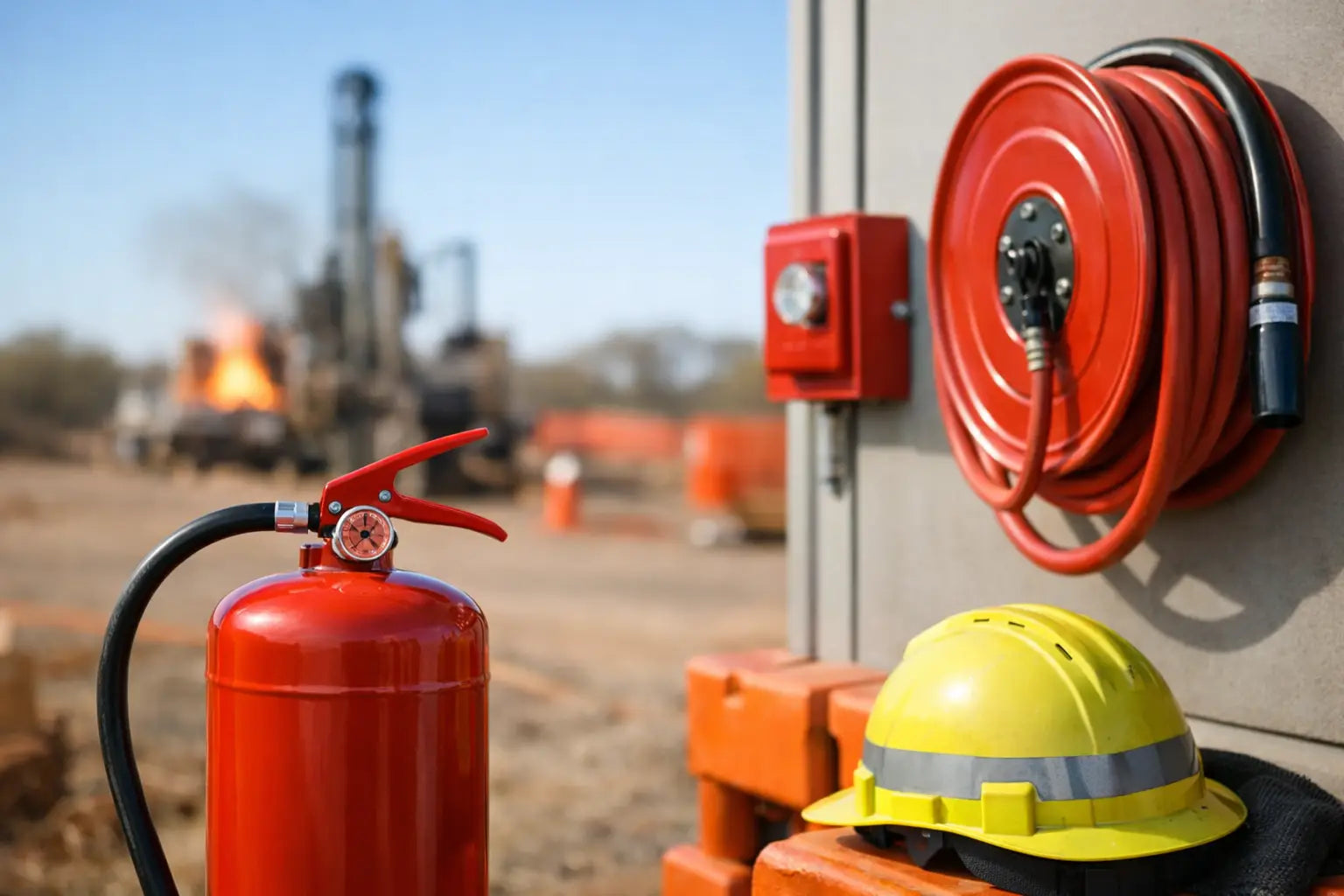
The first question is not size or layout. It is where the label will live. A barcode on a server in a climate-controlled room has very different demands to a barcode on mobile plant, a switchboard, a fire asset or a workshop tool chest.
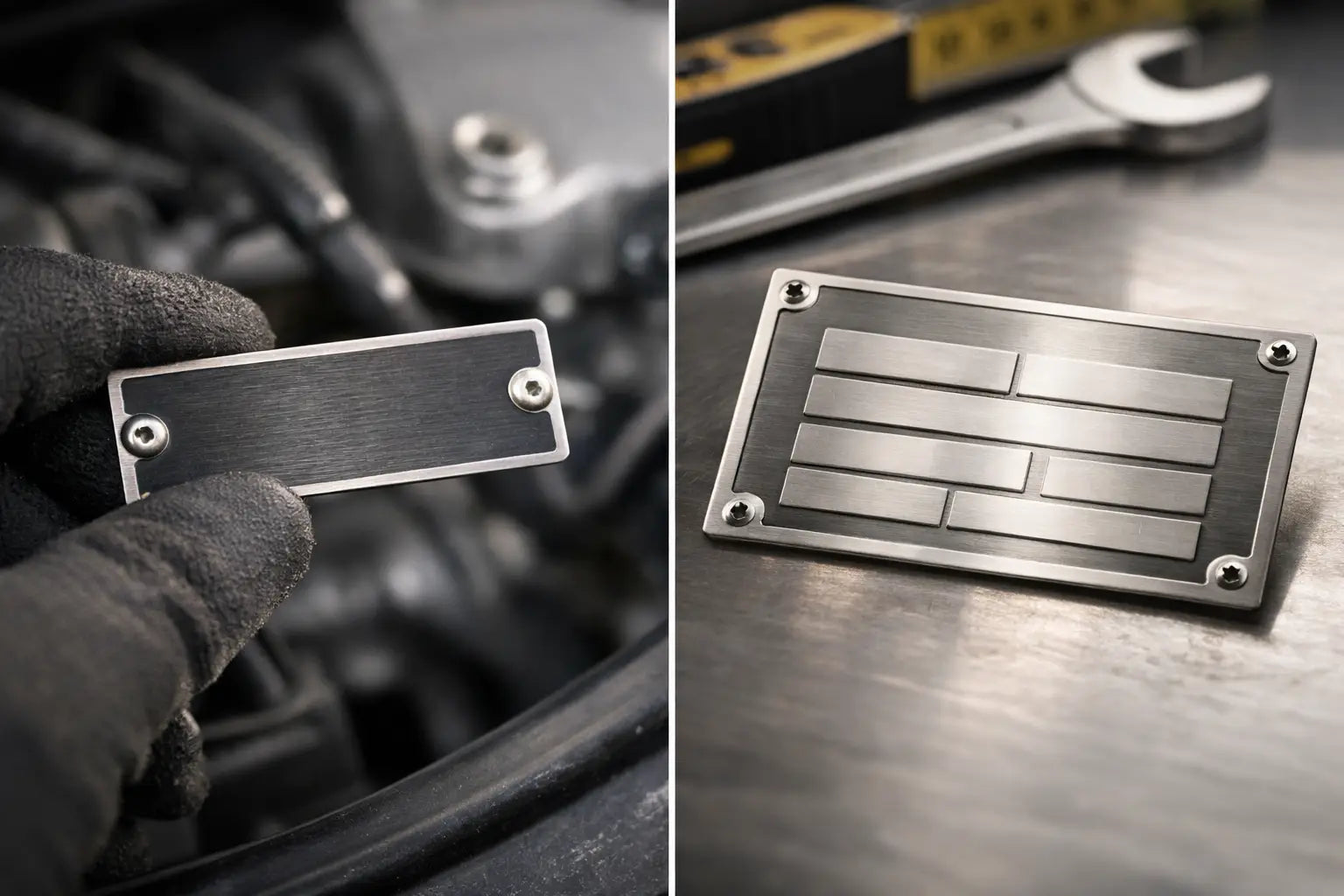
Material matters most. Polyester labels are a common choice for general industrial asset tracking because they offer strong print definition and good resistance to tearing, moisture and moderate chemical exposure. Where assets face harsher treatment, metal asset plates or more specialised constructions may be the better call. There is no point specifying a premium barcode format if the face stock itself breaks down.
Adhesive choice is just as important. Smooth powder-coated surfaces, raw metal, textured plastics and curved equipment housings all behave differently. A label that holds well on a flat cabinet may fail on a slightly oily machine guard or a rough-cast surface. If assets are stored outdoors or exposed to regular temperature swings, adhesive performance becomes even more critical.
Print quality is another make-or-break factor. Barcodes need proper contrast and consistent line definition to scan reliably. If the print fades, scratches or blurs, scanners start failing before the label looks completely ruined. That creates a frustrating grey area where a label is technically still attached but no longer useful.
Common failure points buyers should avoid
Most barcode label problems come back to one of three issues - poor material selection, poor surface preparation or poor specification at ordering stage.
Material selection is the obvious one. Standard office-grade labels are not suitable for industrial assets, even if they look fine on day one. They can curl, crack, discolour or lose adhesion quickly when exposed to sun, dust or heat. The same applies to thin laminates that cannot cope with abrasion.
Surface preparation gets overlooked all the time. Dust, oil, release agents and moisture all reduce adhesion. If labels are being applied in a workshop or on site, the process needs to be realistic. In theory, every asset is wiped down properly before application. In practice, that does not always happen. A tougher adhesive and a label construction designed for industrial use can provide a better margin for error.
Specification gaps cause plenty of trouble too. Buyers sometimes order labels without fully considering scanner type, barcode symbology, asset number range, size restrictions or whether human-readable text is needed alongside the code. A barcode that is too small, too dense or poorly positioned can be difficult to scan even if the material itself is sound.
Matching the label to the asset
Not every asset needs the same label. Small hand tools, IT hardware, test equipment, fire assets, warehouse racking and heavy plant all require different thinking.
For small assets, space is tight, so barcode density and text legibility need to be balanced carefully. Cramping too much data into a tiny label usually creates scanning issues. For larger equipment, there is more room to include a barcode, asset number, company name and even a serial reference, which improves field usability.
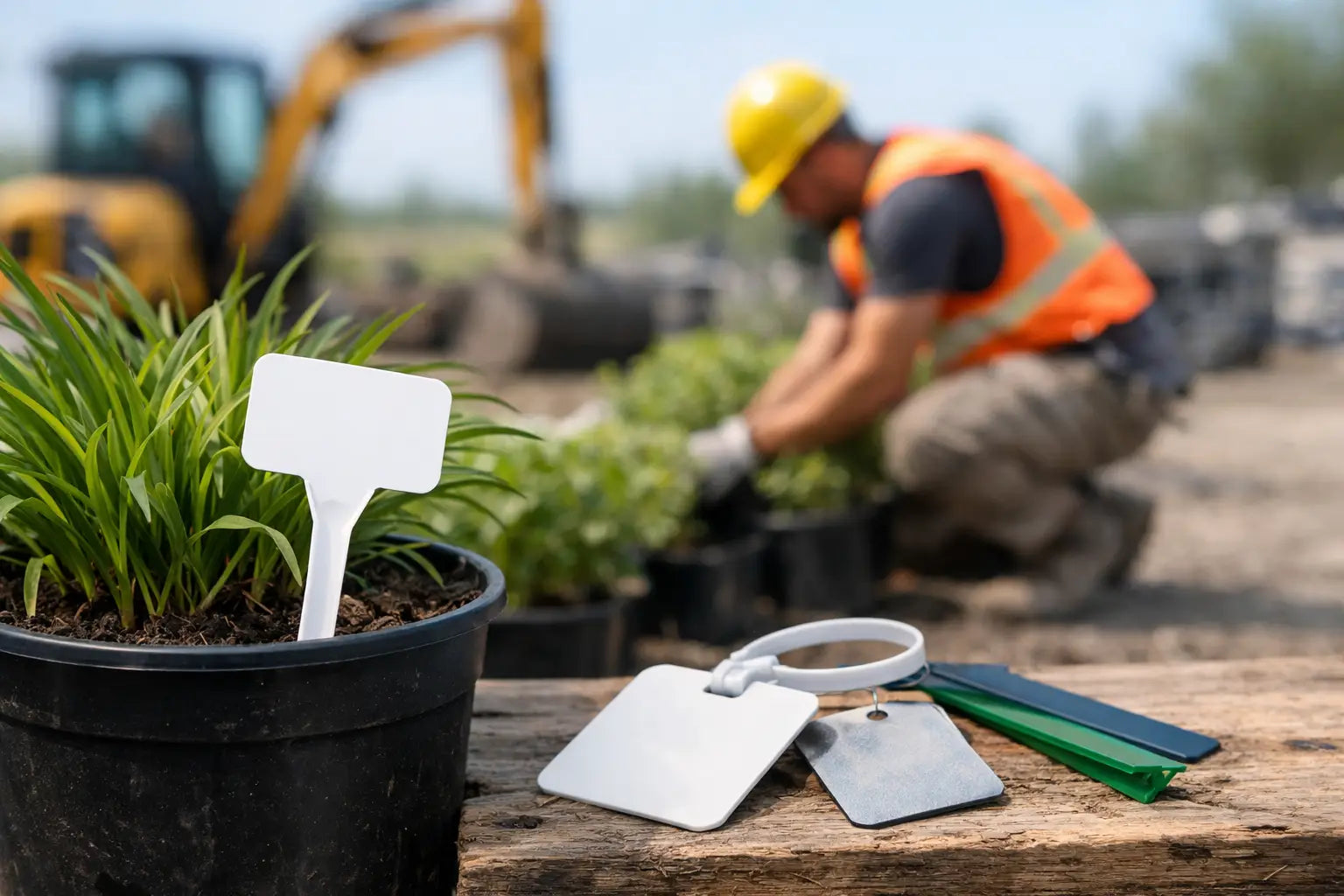
Outdoor and mobile assets usually need a tougher construction than indoor fixed equipment. Labels on trailers, generators, pumps and site machinery are more likely to face UV, pressure cleaning and physical wear. In those cases, durability should lead the specification, not just price.
Compliance-linked assets also deserve extra attention. Where a label is tied to servicing, inspection records or audit trails, failure can create administrative risk as well as operational inconvenience. If the barcode forms part of a broader identification system, consistency across batches matters. Mismatched formats and variable print quality make asset registers harder to manage.
Custom barcode asset labels Australian businesses actually need
Off-the-shelf labels suit some jobs, but many industrial buyers need customisation to make asset management practical. That can mean sequential numbering, company branding, specific barcode types, tamper-evident features, size adjustments or material upgrades for certain environments.
Customisation is not about making a label look fancy. It is about making sure the label works with your existing systems and site conditions. If your maintenance software is built around a particular barcode format, the labels need to match it. If assets are spread across indoor and outdoor areas, you may need more than one construction under the same numbering system.
This is where experienced local supply matters. A supplier that understands Australian industrial conditions can help narrow the specification before production, rather than after the first batch starts failing. Prime Tags Australia works with buyers who need labels that perform on site, not just in a catalogue image, and that practical support can save a lot of rework.
Durability versus cost - where the trade-off sits
Every buyer has a budget, and it is reasonable to ask whether a premium asset label is worth it. The answer depends on the asset value, replacement cycle and administrative load attached to it.
If a label is for a low-risk indoor item with minimal handling, a standard durable construction may be enough. If it is for critical infrastructure, mobile equipment or assets spread across multiple sites, under-specifying the label usually costs more in the long run. Replacing failed labels across a facility is labour-heavy. Fixing broken audit trails is worse.
The practical approach is to match durability to consequence. Spend where failure creates cost, delay or compliance risk. Save where the environment is controlled and the asset is easy to relabel. Not every application needs the highest-spec option, but every application does need an honest assessment.
Getting better results from installation and use
Even a well-made label can underperform if it is applied badly. Surfaces should be clean and dry, and labels should be pressed down properly, especially around edges. Applying labels in extreme cold, on dusty gear or over damaged coatings reduces service life.
It also helps to standardise placement. When barcode labels are positioned consistently across similar assets, technicians and auditors can find and scan them faster. That sounds minor until your team is processing hundreds of assets during stocktake or inspection rounds.
Scanner compatibility should be checked early as well. Some sites still use older handheld scanners, while others rely on mobile-based scanning apps. Label size, barcode type and print contrast should suit the actual equipment being used in the field.
Choosing a supplier that understands industrial identification
A barcode label supplier should be able to do more than print numbers onto adhesive stock. They should understand material performance, print durability, custom numbering, lead times and the realities of industrial application.
For Australian buyers, local manufacturing and local support have real value. It shortens lead times, makes custom work easier and gives you a better chance of getting labels built for local heat, UV and site wear. Free samples are useful here too. Testing a label on your actual asset is often the quickest way to avoid a poor bulk order.
If you are ordering barcode asset labels Australia-wide, the safest choice is a supplier focused on durability, consistency and practical advice. Good labels do not call attention to themselves. They stay stuck, stay readable and keep scanning when the job gets rough.
If your assets matter enough to track, they matter enough to label properly. Getting that decision right early is one of the simplest ways to keep maintenance records cleaner, audits easier and replacement costs under control.