
A fire door that passes inspection means very little if the record on it is faded, torn off or impossible to read six months later. That is why fire door inspection tags matter. For building managers, fire contractors, maintenance teams and compliance coordinators, the tag is not just a label - it is part of the proof that inspections have been carried out, recorded properly and kept visible on site.
In Australian environments, that proof takes a beating. Sun, grit, cleaning chemicals, rough handling and constant foot traffic can ruin low-grade tags fast. If the tag fails before the next inspection cycle, you are left with extra admin, avoidable replacements and unnecessary questions during audits.
What fire door inspection tags are really doing on site
At a practical level, fire door inspection tags identify that a fire door has been checked, when it was checked and often who carried out the work. They support traceability across a facility and make it easier for site personnel, contractors and auditors to confirm the status of an asset without digging through paperwork first.
That sounds simple enough, but the real value is operational. On a busy site with multiple buildings, plant rooms, access points and contractor schedules, a clear inspection tag reduces ambiguity. It helps maintenance teams spot overdue checks, gives facility managers a quick visual reference and supports consistent recordkeeping across an entire portfolio.
The tag itself does not create compliance. The inspection process, documentation and adherence to relevant requirements do that. But a durable, legible tag supports the system. When the identification method is poor, the whole process becomes harder to manage.
Why cheap fire door inspection tags create bigger problems
A lot of tag issues start with procurement decisions that focus too narrowly on unit price. On paper, a lower-cost tag can look fine. On site, it is a different story.
If a tag becomes brittle, fades in UV, tears around the fixing point or smudges after handling, it stops doing its job. The replacement cost is only part of the problem. There is also the labour to re-tag, the risk of unclear inspection history and the disruption that comes with sorting out missing or damaged identification during an audit or maintenance review.
For industrial buyers and compliance teams, the better question is not just what a fire door inspection tag costs. It is what it costs when it fails early. In high-use environments such as hospitals, commercial towers, schools, industrial sites and public facilities, durability usually wins that argument.
What to look for in fire door inspection tags
The right tag depends on where the door is installed, how often it is used and what conditions it is exposed to. Still, a few features matter almost every time.
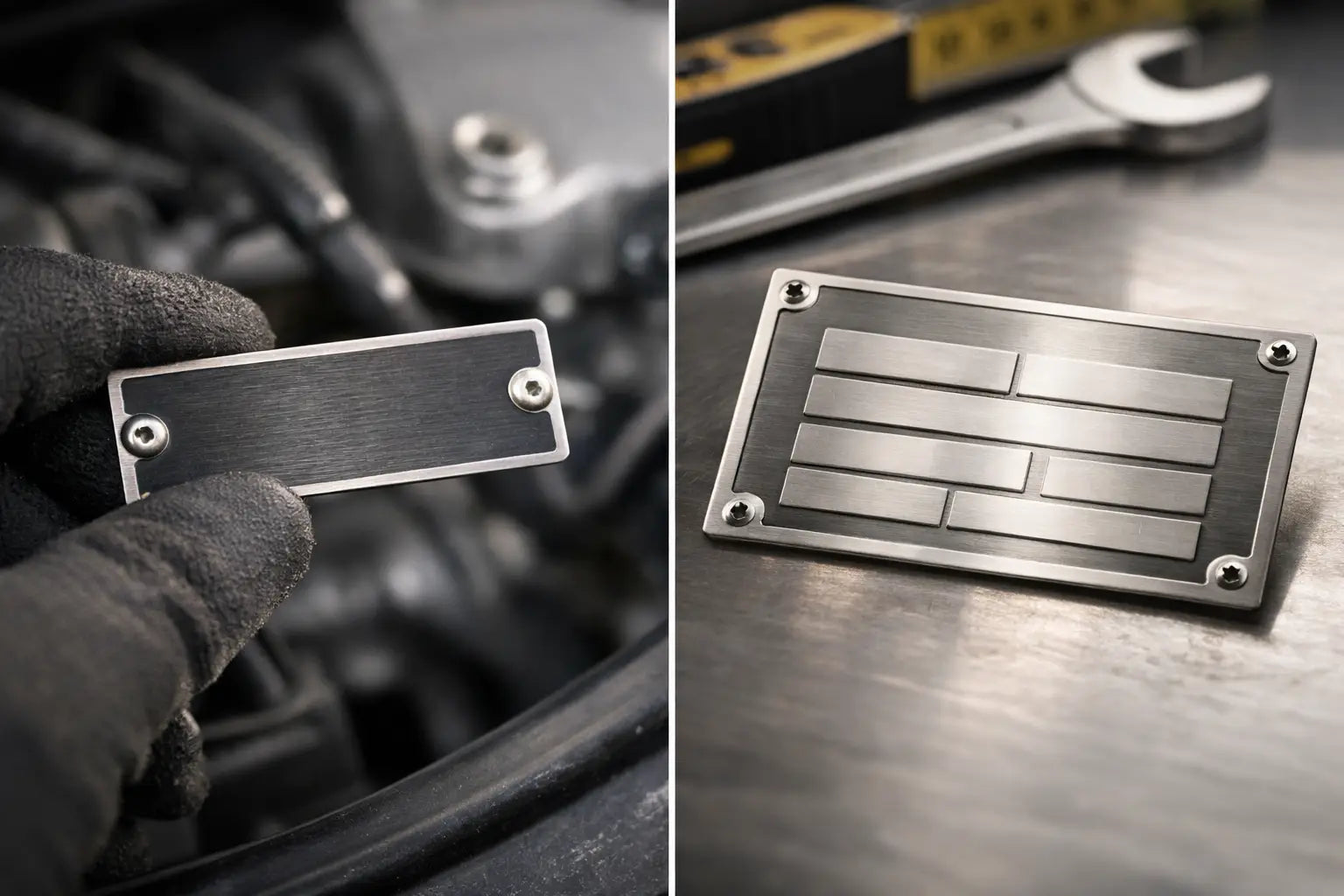
Material choice comes first. Tags used in harsh Australian conditions need to stay readable and intact through heat, UV exposure, abrasion and day-to-day handling. If the door is near external entries, service corridors or dusty work areas, tag performance matters even more.
Print clarity is the next issue. Inspection details need to remain legible, not just on the day of installation but over the full service interval. If the text wears away or becomes hard to read, the tag loses value quickly.
Attachment strength also matters. A well-made tag still underperforms if the fixing method is weak for the application. Some environments need a more secure attachment to prevent accidental loss, while others need a tag format that allows straightforward updates without damaging the door or frame.
Customisation can make a genuine difference as well. Standard tags suit some jobs, but many contractors and facility teams need site names, technician details, asset references, company branding or specific layout fields. A tag that matches your workflow is easier to use consistently.
Fire door inspection tags and harsh Australian conditions
Australian sites are not gentle on identification products. UV exposure alone can shorten the life of poor-quality materials, and that is before you add dust, moisture, cleaning routines, salt air in coastal areas and constant physical contact.
For that reason, tag durability should be treated as a core requirement, not an optional upgrade. A tag that looks acceptable in an office sample pack can fail quickly on a live site. Industrial buyers know the difference. The product needs to hold its shape, keep its print and stay attached in the real conditions where the fire door is installed.
This is where locally suited materials and manufacturing standards make a practical difference. Products built for Australian worksites are more likely to handle the environment they are going into. That reduces rework and gives maintenance and compliance teams one less problem to chase.
When standard tags work - and when custom tags are the better option
Not every site needs a fully bespoke solution. If your fire door inspection process is straightforward and your record fields are standard across the board, an off-the-shelf tag can be a sensible choice. It keeps ordering simple and works well for routine applications.
But many organisations are not operating in that kind of environment. Multi-site operators, fire service contractors, hospitals, universities, industrial facilities and large property groups often need more control over what appears on the tag. They may want custom numbering, technician identification, barcodes, company details or fields aligned to internal maintenance systems.
That is where custom fire door inspection tags earn their keep. They reduce workarounds, improve consistency and help teams standardise how inspections are recorded across assets and locations. The upfront planning is slightly higher, but the long-term gain is cleaner administration and fewer mistakes.
The link between tag design and faster inspections
Good tag design saves time in ways that are easy to miss until the volume ramps up. A cramped layout, unclear headings or poor space allocation can slow down technicians, especially when they are moving through a long inspection schedule.
A tag should be easy to read at a glance and easy to complete without guesswork. Clear field labels, sensible spacing and durable print all support faster, more consistent use. That matters for contractors trying to keep jobs moving and for in-house teams managing recurring inspection programs.
There is also a training benefit. When the tag format is logical, new staff and contractors are less likely to record information inconsistently. Over time, that creates a cleaner compliance trail.
Buying fire door inspection tags for one site or many
Ordering for a single building is one thing. Ordering across a portfolio is another. Once multiple sites, contractors and inspection schedules are involved, tag supply becomes part of a larger operational process.
Consistency matters here. If different sites use different tag formats, materials or layouts without a clear reason, recordkeeping becomes harder to standardise. Procurement teams then spend more time chasing specifications, and maintenance teams have to work around unnecessary variation.
For larger buyers, it usually makes sense to settle on a durable tag specification that suits the broadest range of conditions across the portfolio. There may still be site-specific exceptions, but a standard base format makes purchasing, storage and rollout much easier.
Fast turnaround also becomes more important at scale. Delays in receiving tags can hold up installations, maintenance programs or contractor mobilisation. A supplier that understands industrial lead-time pressure is often worth more than a marginal saving on unit cost.
Why supplier capability matters as much as the tag itself
A fire door inspection tag is a small item, but buying it should not be treated casually. The right supplier helps you get the specification right, keeps quality consistent and delivers when the job schedule says it needs to land.
That support matters most when the requirement is not standard. If you need custom sizes, special data fields, tough materials, short runs or larger project quantities, supplier competence becomes part of risk control. A slow or inconsistent supplier creates avoidable friction for procurement and site teams alike.
Prime Tags Australia works with buyers who need compliance products that are built for harsh local conditions, not just packaged to look the part. For fire door tags, that means durable materials, clear custom options and turnaround that supports real maintenance schedules.
A better way to think about tag value
The best fire door inspection tags are not necessarily the cheapest or the most complicated. They are the ones that stay legible, stay attached and fit the way your team actually works. That could mean a standard format for a small facility, or a custom tag program across multiple sites.
Either way, the goal is the same - make inspections easier to track, easier to verify and harder to lose in the day-to-day wear of a working environment. If a tag can do that without constant replacement, it is doing more than marking a door. It is helping your compliance process hold together when the site gets busy.