
A hose with the wrong contents, the wrong pressure rating or the wrong service date is not a small admin problem. On a mine site, in a workshop or across a plant room, that sort of mix-up can stop work, damage equipment and create a real safety risk. That is why hose identification labels matter. They give crews a fast, reliable way to confirm what a hose is for, where it belongs and whether it is still fit for use.
For most industrial buyers, the problem is not whether labels are needed. It is whether the labels will stay readable after sun, grime, washdowns, abrasion and day-to-day handling take their toll. A hose label that curls, fades or peels off halfway through the job is not doing its job. In compliance-driven environments, failed identification can become a maintenance issue, a safety issue and a replacement cost all at once.
What hose identification labels need to do
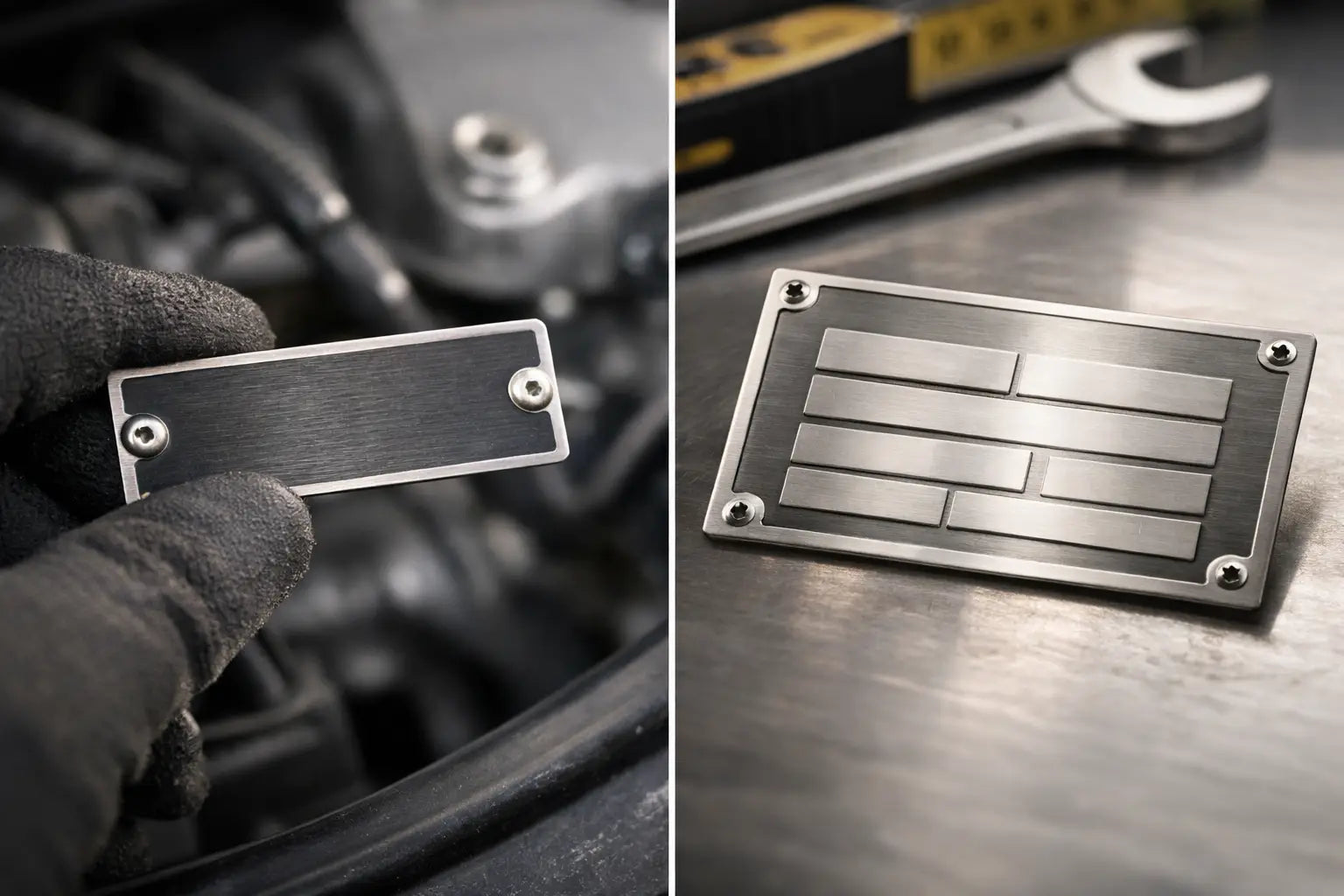
Good hose identification labels are there to reduce guesswork. At a minimum, they should clearly show the hose type, media, pressure class, inspection status, asset number or any site-specific information needed for safe use. In some operations, colour coding also helps crews identify service lines quickly, especially where multiple hoses run side by side or are stored together.
The challenge is that hoses are not an easy surface to label. They bend, flex, rub against structures and get dragged across rough ground. Some are exposed to oils and chemicals. Others sit in direct UV for months. That means a standard office-style sticker is a poor fit from the start. Industrial hose identification labels need to be designed for movement, weather and wear.
There is also a practical side to layout. If the text is too small, too crowded or poorly contrasted, workers will not read it quickly in the field. A label only works if it can be identified at a glance, under pressure and in less-than-perfect conditions.
Where hose identification labels make the biggest difference
In high-use environments, hose identification is about control. Maintenance teams use labels to keep track of assets, inspection cycles and replacement intervals. Safety teams rely on visible identification to support correct use and reduce cross-connection errors. Procurement teams benefit too, because proper labelling cuts unnecessary replacement caused by lost traceability.
In construction and civil work, hoses move between crews, machines and temporary setups. Without clear marking, it is easy for gear to be misplaced or used outside its intended application. In manufacturing and processing facilities, the stakes can be higher again, particularly where compressed air, water, fuel, hydraulic fluid or chemical transfer systems operate close together.
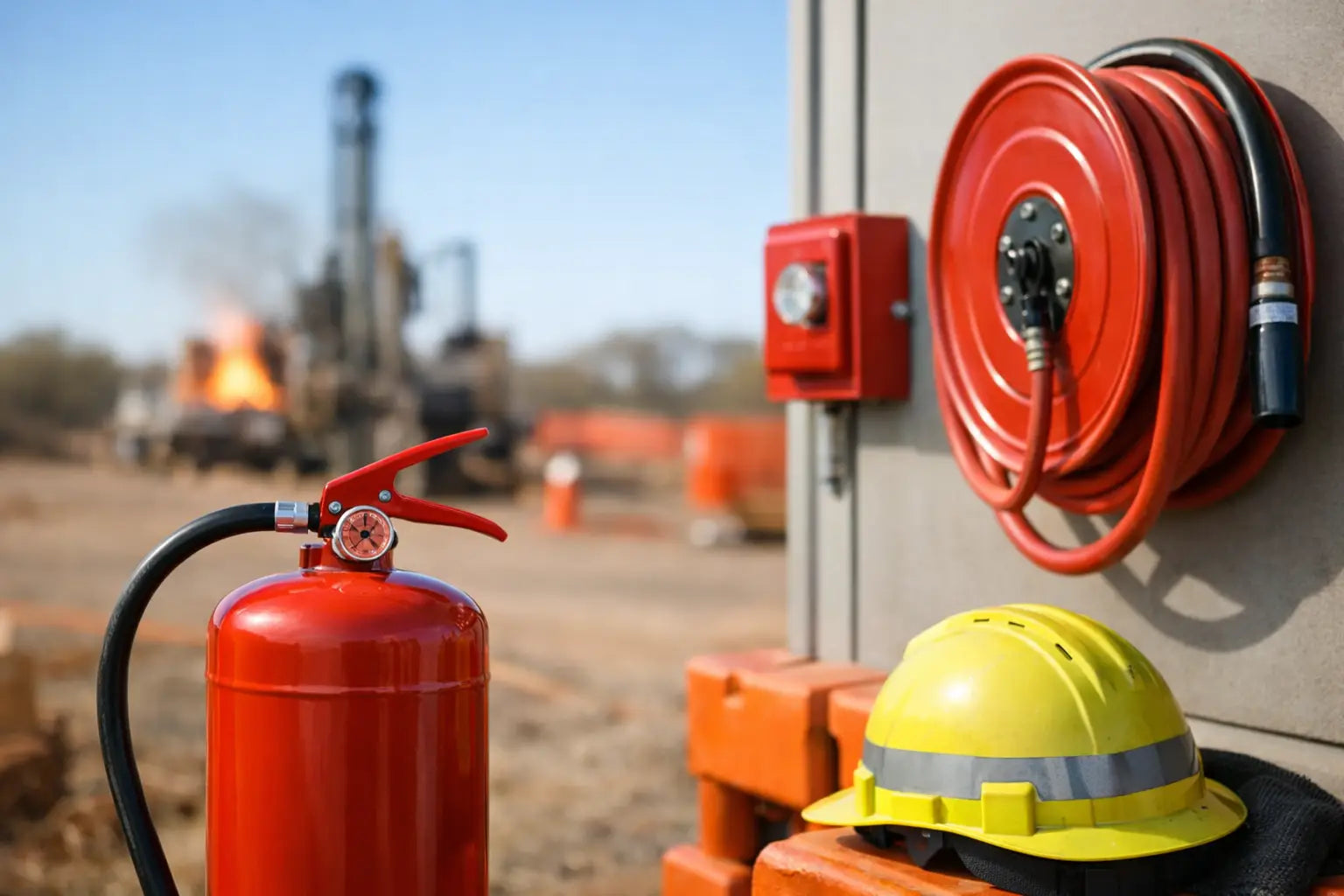
Fire protection and emergency systems are another area where clear hose identification supports readiness. When time matters, no one wants to stop and second-guess what a hose is, where it belongs or whether it is current.
Choosing materials for Australian conditions
If a hose label is going onto equipment used outdoors, material choice matters straight away. Australian sites are hard on identification products. UV exposure, heat, dust, wind and moisture all work against legibility and adhesion. Add mechanical wear from dragging, coiling and contact with fittings, and weak materials fail quickly.
That is why durable polymers and worksite-grade print methods are the safer choice. The label needs to resist fading, cracking and edge lift. It also needs enough flexibility to move with the hose rather than fighting against it. Depending on the application, some sites are better served by wraparound formats, while others need a tag-style solution that can be secured more mechanically.
This is where it depends on the hose use case. A hose in a relatively protected plant environment may cope well with one label format, while a hose used in abrasive outdoor conditions may need something tougher or more physically secured. There is no benefit in over-specifying every job, but there is a cost to under-specifying a compliance-critical one.
What to include on a hose label
The right data set depends on how the hose is managed on site. Some businesses only need basic service identification. Others need full asset traceability. The best hose identification labels are built around the way your team actually inspects, stores and uses hoses.
Common information includes hose ID numbers, contents or service type, pressure ratings, inspection dates, next test dates, department allocation and company branding. Some operations also add barcodes, sequential numbering or QR-based tracking if the labels are part of a broader maintenance or asset management system.
The key is to avoid clutter. More information is not always better if it slows down visual checks. Critical details should be the easiest to read. Variable data should be consistent across the whole fleet so workers know exactly where to look.
Readability matters as much as durability
Even the toughest label falls short if the information is hard to read. Clear fonts, strong contrast and sensible sizing make a real difference in the field. Black on white, black on yellow and other high-contrast combinations generally perform better than low-contrast branding-heavy layouts.
If a site uses colour to distinguish services, that system should be applied consistently. Random colour choices create confusion instead of reducing it. For compliance-heavy environments, visual clarity should always come before decoration.
Custom hose identification labels vs off-the-shelf options
Off-the-shelf labels can work for basic applications, especially when the information needed is simple and standardised. They are often useful for quick rollouts or low-risk environments where only general hose type or ownership needs to be shown.
But many industrial sites need more than a generic label. Custom hose identification labels allow you to match the product to the hose diameter, surface, exposure conditions and information requirements. That means better fit, better readability and fewer compromises.
Customisation also helps standardise identification across departments or multiple sites. If every hose follows the same format, inspections are quicker and training is easier. For procurement teams, that consistency can reduce ordering mistakes and make future replenishment more straightforward.
For buyers managing mixed fleets, a custom supplier is often the more efficient option over time. You avoid patchwork solutions and get labels built for the actual job, not the nearest available substitute.
Common reasons hose labels fail
Most hose label failures come back to one of three issues: poor material selection, poor attachment method or poor print quality. If the substrate cannot handle UV, flexing or contamination, the label will deteriorate. If the adhesive or fastening method does not suit the hose surface and service conditions, it will shift or detach. If the print process is not industrial grade, legibility drops long before the hose reaches end of life.
Application also matters. Even a good label can fail early if it is installed onto a dirty, oily or damp surface without the right prep. On some hoses, a mechanical tag format may be more reliable than a direct adhesive label. That decision should be made based on actual operating conditions, not assumption.
This is where a practical supplier conversation saves time. A free sample or test run can tell you more in a week on site than a product sheet can tell you in ten minutes.
How to specify hose identification labels properly
If you are ordering for a site, workshop or national fleet, start with the basics. What is the hose exposed to, how is it handled, what needs to be read quickly and how long does the identification need to last? Once those points are clear, the right format becomes easier to pin down.
You should also consider whether the label needs fixed information only, or variable data such as serial numbers and inspection dates. If the hose is part of a larger compliance process, it is worth aligning the label format with your inspection records and asset register from the start.
Prime Tags Australia works with industrial buyers who need this level of fit-for-purpose identification - not generic labels that look fine on day one and fail when conditions get rough. For operations where durability, fast turnaround and clear customisation matter, that practical approach makes a difference.
Why the cheapest label often costs more
On paper, low-cost labels can look like a saving. On site, repeated replacement, unreadable data and avoidable downtime tell a different story. Every failed label creates extra handling, extra admin and extra risk. When hoses are critical to operations, the cost of unclear identification can easily outweigh the price difference between a basic label and one built for industrial use.
Reliable hose identification labels are not just a purchasing item. They are part of safe operations, asset control and site discipline. If the label needs to perform in harsh Australian conditions, it should be designed that way from the start.
A good hose label does not draw attention to itself. It just stays in place, stays readable and keeps doing its job long after cheaper options have given up.