
A faded tag on a drill rig or loader is not a minor annoyance. On a mine site, it can slow inspections, create traceability gaps, and leave maintenance teams working off guesswork. If you are choosing the best tags for mining equipment, the real question is not just what sticks or hangs on longest. It is what stays legible, attached and fit for purpose under dust, UV, washdowns, vibration and daily handling.
Mining sites are hard on identification products. Equipment moves across pits, workshops and laydown areas. Surfaces run hot, cold, dirty and abrasive. Tags get hit with grease, pressure cleaning, grit and weather. That is why the right tag choice comes down to matching the tag type, material and fixing method to the job rather than buying one generic option for every asset.
What makes the best tags for mining equipment?
The best tags for mining equipment do three things well. They remain readable for the life of the inspection cycle or asset requirement, they stay attached in service, and they support compliance without creating extra work for maintenance or procurement teams.
Durability comes first. In mining, paper labels and light-duty plastics usually fail early. A tag might look acceptable when it leaves the workshop, then become brittle, scratched or illegible within weeks on site. UV stability, abrasion resistance and chemical tolerance matter more than appearance. If the tag cannot handle Australian conditions, it will not last where it counts.
Legibility matters just as much as toughness. A tag that survives physically but loses print clarity still fails the job. Asset numbers, inspection dates, serial references, test status and warning information must be easy to read during routine checks. That often means choosing materials and print methods designed for high contrast and long-term exposure, not short-run office-style marking.
Attachment method is the third factor buyers often underestimate. A well-made tag can still fail if it is fixed with the wrong tie, adhesive or plate arrangement. High vibration areas, moving assemblies and outdoor exposure all change what works best. Some applications need a self-locking tag, others need a metal plate, and others are better served by a heavy-duty adhesive label with strong surface preparation.
Matching tag types to mining equipment use cases
There is no single tag that suits every machine or component across a mining operation. Mobile plant, fixed plant, lifting gear, hoses and electrical assets all have different demands.
Asset tags for plant and machinery
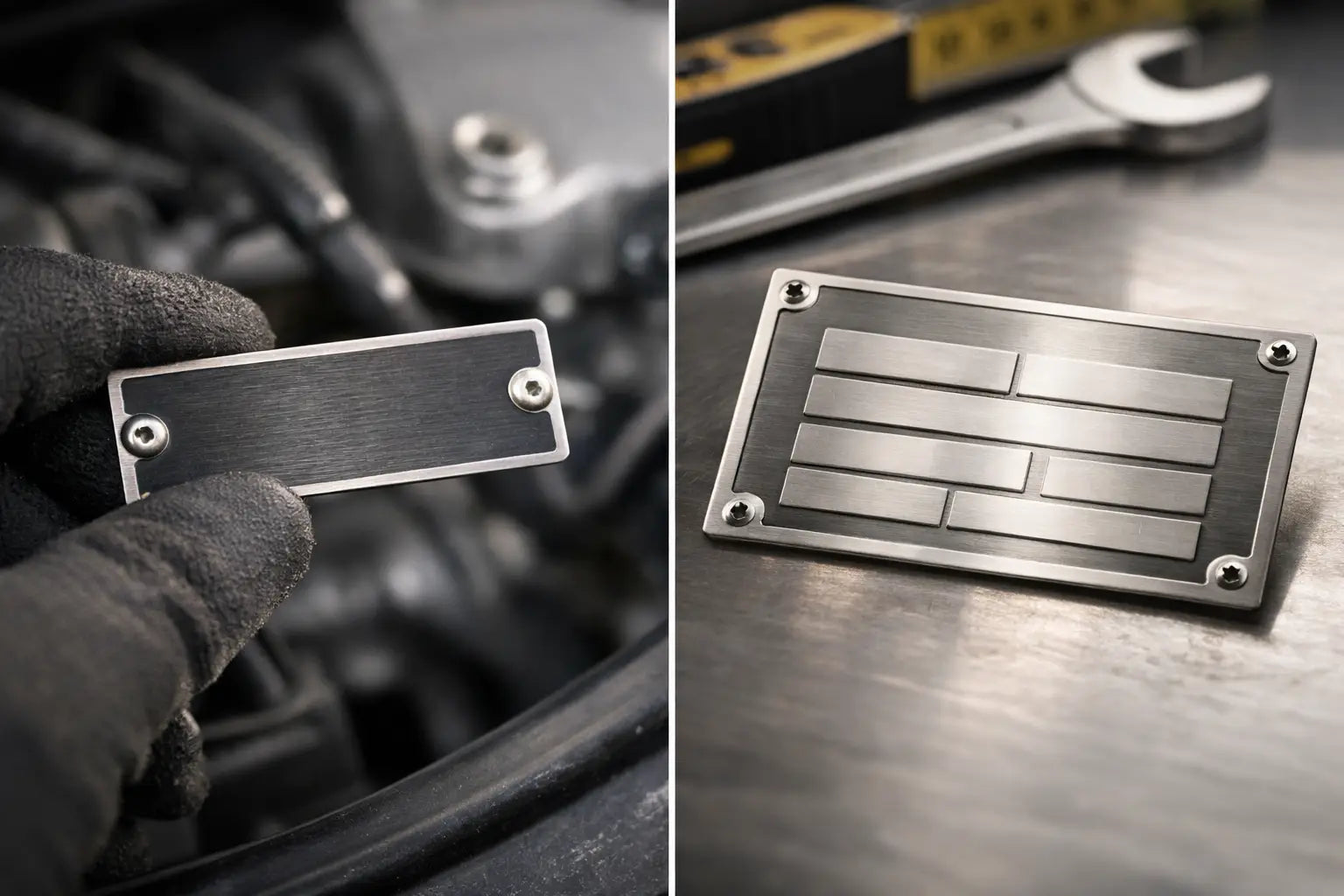
For core asset identification, durable asset labels or metal asset plates are often the best fit. These work well on loaders, excavators, pumps, compressors, switchboards and workshop equipment where each item needs a unique identifier for maintenance records and audits.
If the surface is relatively flat and the environment is controlled or semi-exposed, a high-durability asset label may do the job well. If the equipment is constantly exposed to impact, harsh weather or aggressive cleaning, metal plates tend to offer better long-term value. They cost more upfront, but replacement frequency is lower, which matters on large fleets and remote operations.
Barcode or sequential numbering can also make sense where teams are scanning assets into maintenance systems. That said, barcodes are only useful if they stay readable. On very dirty or abrasive equipment, a simple large-format ID can be more reliable than a small dense code.
Inspection and status tags
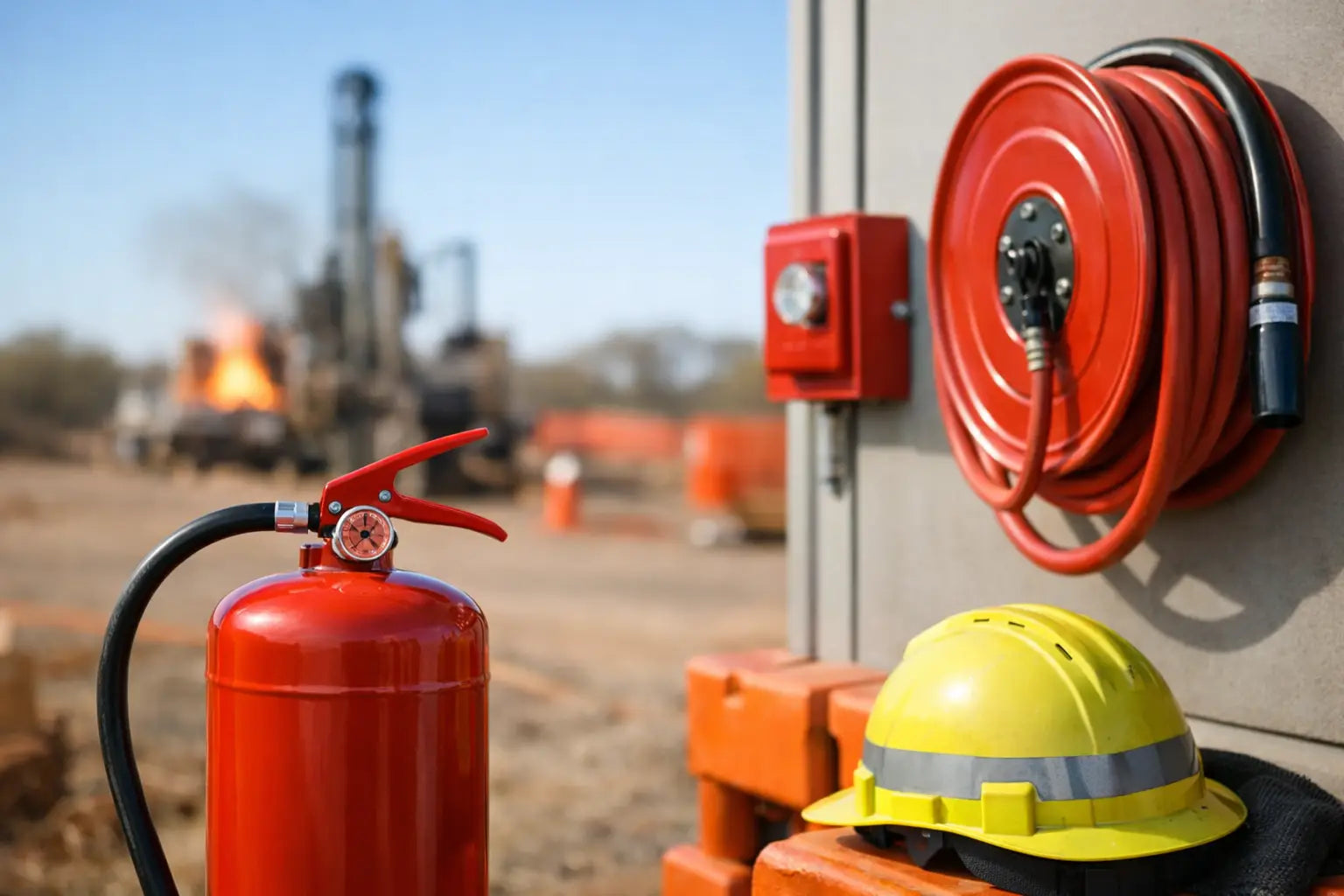
Inspection tags are critical where equipment needs visible evidence of serviceability, inspection date or next due date. This includes ladders, access gear, fire equipment, harnesses, lifting assemblies and plant requiring routine checks.
In these cases, the tag needs to be easy to update or replace at each interval while still standing up to site conditions. Flexible synthetic tags, heavy-duty writable tags and purpose-built inspection tags all have a place. The right choice depends on how often the information changes and whether the tag is exposed directly to weather, grime or rough handling.
If teams are writing on tags manually, the writing surface matters. Some materials take permanent marker well at first but smear or fade quickly. Others are better suited to printed information and less useful where inspectors need to mark dates on site.
Self-locking tags for harsh and mobile applications
Self-locking tags are a strong option for mining because they combine identification and fastening in one unit. They are useful on hoses, valves, cable bundles, lifting gear and components where a separate tie and tag arrangement may loosen or fail.
Their value is practical. Installation is quick, there are fewer parts to manage, and the risk of tag separation is reduced. On sites where crews are tagging large numbers of items, that can save time and improve consistency. The trade-off is that self-locking tags are not ideal everywhere. If the item is very large, highly abrasive or exposed to repeated mechanical contact, a heavier plate or shielded mounting point may still be the better option.
Lifting, rigging and harness tags
Mining operations rely heavily on lifting equipment and height safety gear, and these categories carry clear compliance obligations. The tags used here need to support inspection records, equipment identification and serviceability status without ambiguity.
Lifting and rigging tags need to cope with flexing, knocks and outdoor exposure. Harness tags need to remain legible despite frequent handling and textile movement. In both cases, tag durability is tied directly to safety administration. If a tag fails early, the equipment may need to be removed from service until identification or inspection status is confirmed.
For these applications, purpose-made tags are generally the safest choice. A generic label or improvised marker may look cheaper on paper, but it creates risk and usually costs more once replacements and downtime are factored in.
Material choice matters more than most buyers expect
When buyers ask for the best tags for mining equipment, material selection is usually where the answer sits. Plastic, synthetic, metal and specialised laminates all perform differently.
Flexible synthetic tags are useful where movement, wrapping or tie-on installation are required. They suit many inspection and status-tag applications. Rigid plastic tags can work well for fixed identification where impact is moderate and clear print is needed. Metal tags and plates are the strongest option where exposure is constant and asset life is long.
There is a balance to strike. Metal is not automatically better for every job. It can be unnecessary on short-cycle inspection points or items that need frequent tag replacement. On the other hand, cheap flexible stock often becomes false economy on fixed assets that live outdoors year-round.
Australian conditions make UV resistance especially important. A tag that performs well in a warehouse or metro service environment may fail quickly in the Pilbara, Bowen Basin or remote SA operations. Heat, glare, red dust and washdowns expose weak materials fast. That is why locally suited materials matter.
Customisation is not a luxury on mining sites
Standard off-the-shelf tags can cover some basic needs, but mining sites often need more. Asset numbering sequences, site names, department codes, barcodes, QR codes, inspection fields, warning text and colour coding all help teams identify equipment quickly and avoid mix-ups.
Customisation also supports procurement efficiency. Instead of buying a general tag and then over-labelling or handwriting critical details, teams can order a fit-for-purpose product that arrives ready to use. That reduces field errors and saves workshop time.
Colour has a role, but it should support identification, not replace clear text. Dust and fading can make colour-only systems unreliable. The strongest setups use colour alongside readable printed information and a consistent coding structure.
For many operations, the best result comes from using more than one tag format across the site. Metal asset plates for major plant, self-locking tags for hoses and mobile components, and inspection tags for periodic checks is a practical mix.
What buyers should check before ordering
Before placing an order, it pays to confirm where the tag will sit, what it will be exposed to, how long it needs to last and whether the information on it is static or regularly updated. Those four questions narrow the options quickly.
It is also worth checking installation conditions. Adhesive labels need proper surface prep and suitable substrates. Tie-on tags need a secure fastening point. Plates may require rivets, screws or another fixing method that suits the equipment and does not interfere with operation.
Lead time matters as well. Mining shutdowns, new asset rollouts and audit preparation do not leave much room for slow supply. A supplier that understands custom industrial identification and can turn jobs around quickly is often worth more than a marginal unit price saving.
For Australian buyers, locally made products carry another advantage. Materials designed for local weather and industrial use generally perform more reliably than generic imported stock aimed at lighter conditions. That is one reason many maintenance and procurement teams look for suppliers such as Prime Tags Australia when they need tags built for rough service, not office shelves.
The right tag will not fix a poor asset system, but it will make a good one work better. If your team can identify equipment instantly, verify inspection status at a glance and trust the tag to last, you spend less time replacing failures and more time keeping plant moving.