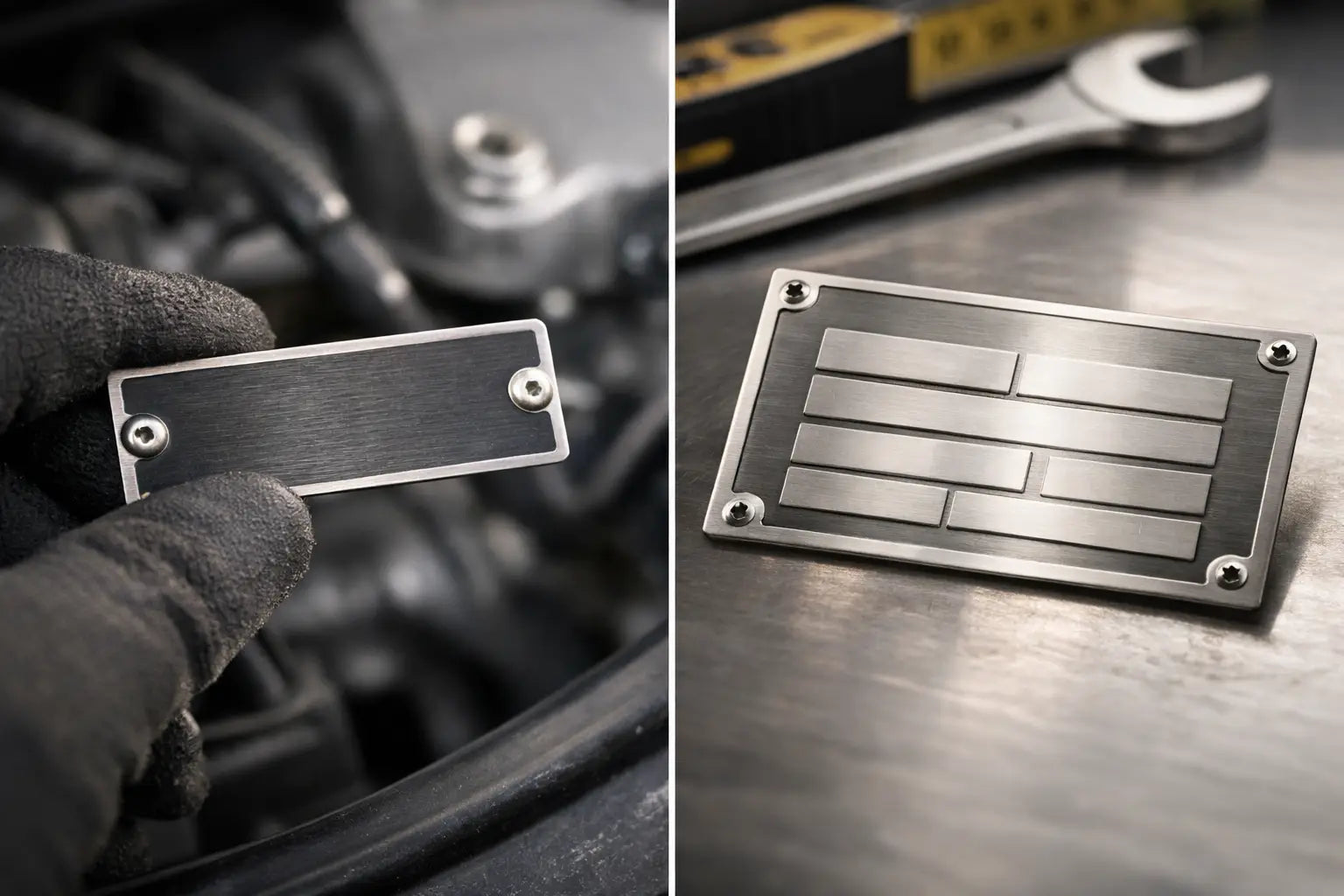

If a technician has to stop and guess whether a tag is current, legible or even tied to the right asset, the tag has already failed. That is why one of the most common questions on busy sites is what information goes on equipment tags, and the answer is not just “the basics”. It depends on the equipment, the inspection regime, the site risk profile and how the tag will be used in the field.
A good equipment tag does two jobs at once. It identifies the asset clearly, and it gives the next person enough information to act with confidence. That might mean using the item, inspecting it, isolating it, replacing it or recording it in a register. If the tag is missing key details, or those details wear off after a few months in the sun, the whole system starts to break down.
What information goes on equipment tags in practice
Most equipment tags need a core set of information that supports identification, traceability and compliance. The exact layout changes by application, but the same practical rule applies across lifting gear, fire equipment, harnesses, hoses, plant and general site assets: include only the information people actually need on the tag, and make sure it stays readable for the life of the tag.
At a minimum, most sites will want an asset identifier, a description of the item, inspection or test information, and some way to link the tag back to internal records. For some equipment, that is enough. For higher-risk assets or regulated items, more detail is usually required.
Asset identification details
Every equipment tag should make it easy to confirm exactly what the item is. That usually starts with a unique asset number or serial number. If your site already runs an asset management system, this number should match the register exactly. One missing digit can create confusion during audits, servicing or replacement.
The equipment name or item type also matters. “Harness”, “chain sling”, “fire extinguisher” or “portable ladder” tells the user what category the asset belongs to before they need to look it up elsewhere. On larger sites, many buyers also include a department, plant area, crib room reference or vehicle number so equipment can be returned to the right location.
Where barcodes or QR-style tracking systems are used, the printed code should support the visible text, not replace it. If the scanner fails, the tag still needs to work in plain sight.
Inspection and test information
For many industries, inspection status is the most important part of the tag. Maintenance teams, HSE personnel and auditors all need to know whether the equipment is within its inspection interval and who signed off on it.
This often includes the last inspection date, the next due date, the month and year of testing, or a punch grid that marks a service period. Some tags also show the inspector’s initials, licence number or company name, especially where third-party testing is involved.
The right level of detail depends on the item. A simple visual inspection tag for general equipment may only need the inspection date and next due date. A lifting or fall protection tag may need more, particularly where traceability, load rating or statutory inspection schedules apply.
Compliance and certification details
If equipment needs to meet a standard, code or internal compliance requirement, the tag may need to show that. This could include a standard reference, a test class, a rating, a compliance status or a certification note.
For example, lifting equipment tags often carry working load limit data, batch details or manufacturer traceability. Electrical test tags may show the tester ID, test date and retest date. Fire equipment labels can require servicing information aligned with the maintenance schedule. The point is not to crowd the tag with every possible reference. It is to display the details that prove the item is fit for service and support the record behind it.
What should be on equipment tags for safety-critical items?
Safety-critical assets need more than a name and a date. If failure could injure someone, stop a job or trigger a non-conformance, the tag should give users immediate clarity about serviceability, limitations and status.
Load-bearing equipment is a good example. Slings, chains, harnesses and lifting accessories often need load or capacity information printed clearly. If a user cannot confirm the rating at a glance, the equipment may be pulled from service anyway. In those cases, durability is just as important as data. A faded load limit is not a minor issue on a live site.
For isolation, lockout or out-of-service applications, status wording needs to be unmistakable. “Do not use”, “out of service”, “inspected” and “tested” all carry different meanings. The language on the tag should match the site procedure and leave no room for interpretation.
Where equipment is exposed to weather, chemicals, abrasion or washdowns, material choice becomes part of the information problem. A perfectly designed tag is no use if critical text disappears in six months. That is why industrial buyers tend to specify the data first, then choose a tag construction that can actually hold that data in Australian conditions.
Matching the tag to the equipment
There is no single master template for what information goes on equipment tags because different assets need different decisions.
A general asset tag might only need an asset number, company name and barcode. A scaffold tag needs a status panel and inspection sign-off. A harness tag may require serial number, date of manufacture, inspection history and user traceability. A hose label might need pressure rating, service type and identification code. A fire door tag has a different compliance purpose again.
This is where many sites go wrong. They use one generic label format across everything because it is quicker to order. That can work for low-risk internal assets, but it often creates problems for inspected equipment and regulated categories. If the tag is expected to support a compliance outcome, it needs to be built around that job.
Site-specific information that often matters
Beyond the standard fields, many Australian worksites add operational details that make day-to-day control easier. That can include a cost centre, shutdown zone, project code, contractor name or mobile plant number. These details are not always required by law, but they can save time during audits, stocktakes and maintenance planning.
Colour coding is also common. A colour may show a month, site area, inspection cycle or service status. Used properly, this makes fast visual checks easier. Used poorly, it becomes confusing, especially across multiple sites with different systems. If colour is part of your tagging approach, it should support the printed information, not replace it.
Common mistakes when deciding what information goes on equipment tags
The biggest mistake is trying to fit too much on a small tag. When every field is treated as essential, readability suffers. Small text, crowded layouts and poor contrast make tags harder to use, especially outdoors or when gloves are involved.
The next mistake is omitting traceability. A tag should connect the physical item to a register, service record or inspection history. If a tag shows a test date but no unique identifier, you can still end up asking which exact item was inspected.
Another common problem is using the wrong material or print method for the environment. Indoor office labels and industrial equipment tags are not the same product. UV, grit, water, heat and handling all affect legibility over time. For compliance-critical applications, durability is part of the specification, not an afterthought.
Finally, many buyers overlook update frequency. If information changes often, the tag design needs to accommodate that. Some applications suit write-on surfaces or replaceable inspection tags. Others need permanent printed data with a separate inspection label. The best setup depends on whether the asset data is fixed, variable or split between long-term identification and recurring service events.
How to decide what belongs on your equipment tags
Start with the practical question: what does the next person need to know at the point of use? Then check what your site procedures, asset register, customer requirements and applicable standards expect. That usually gives you a workable short list.
From there, separate permanent information from service-cycle information. Serial numbers, asset IDs and equipment descriptions generally stay fixed. Inspection dates, due dates and sign-offs may need periodic updating. Once you split those functions, the right tag format becomes clearer.
It also pays to think about who will read the tag. A maintenance fitter, a contractor, a site auditor and a procurement officer all use tag information differently. The tag does not need to satisfy every possible question, but it should support the most important one without delay.
For many businesses, the best result comes from customising the tag around the equipment category rather than forcing every asset into the same layout. That is often the difference between a tag that merely exists and one that actually works on site.
When equipment tags are designed right, they remove doubt. They help crews identify assets quickly, confirm status on the spot and keep compliance records aligned with what is physically in service. If you are deciding what to include, aim for clear, durable and relevant every time - because on a real worksite, unreadable information is the same as missing information.