
A missing grinder on a shutdown day is not just an inconvenience. It slows the job, creates confusion, and usually sends someone chasing paperwork or ringing around the site. That is exactly why businesses ask how to track equipment with barcode labels - not as a nice-to-have system, but as a practical way to keep assets visible, accountable and easier to manage.
Barcode tracking works because it gives every asset a unique identity that can be scanned in seconds. When the label is tied to the right record, your team can see what the item is, where it belongs, who has it, when it was last inspected, and whether it is due for service. For maintenance teams, compliance managers and procurement staff, that means fewer gaps, less manual handling and better control across the asset register.
Why barcode tracking works on real worksites
The strength of a barcode system is its simplicity. A technician can scan a label on a ladder, test instrument, harness or mobile plant attachment and update its status on the spot. That is a lot faster than writing serial numbers by hand or relying on memory.
It also improves consistency. If every tool, piece of equipment or safety asset follows the same identification method, records are easier to maintain and audit. That matters in sectors where inspection intervals, proof testing or asset allocation need to be traceable.
The trade-off is that barcode tracking is only as good as the label and the process behind it. If labels peel, fade or become unreadable in UV, grit, washdown areas or heavy handling environments, the system breaks down quickly. The same happens when asset naming is inconsistent or staff are not clear on when to scan and update records.
How to track equipment with barcode labels from the start
If you are setting up a system from scratch, get the structure right before you order labels. The barcode itself is only one part of the job. The bigger win comes from building a clean asset identification process that your team can actually use.
Start with an asset register that makes sense
Before anything is labelled, decide what equipment you are tracking and what data matters. For some sites, that will be basic issue-and-return control for hand tools and portable gear. For others, it will include inspection dates, location history, department allocation, purchase details and replacement planning.
At a minimum, each asset record should include a unique asset ID, a plain-language description, current location or assigned team, and any service or inspection requirements. If you already have a spreadsheet or maintenance platform, clean it up first. Duplicate entries, vague descriptions and inconsistent naming make barcode tracking harder than it needs to be.
Give each item a unique ID
Every barcode label should tie back to one unique asset number. Do not use vague labels like DRILL-01 across multiple sites unless your system includes a clear site code or business unit reference. It is better to use a structured format such as location code, asset class and sequence number.
For example, a format like BRIS-TOOL-01427 is easier to manage than random numbering. It helps your team identify assets quickly, and it reduces the risk of duplicate records when the fleet grows.
Choose barcode labels that suit the environment
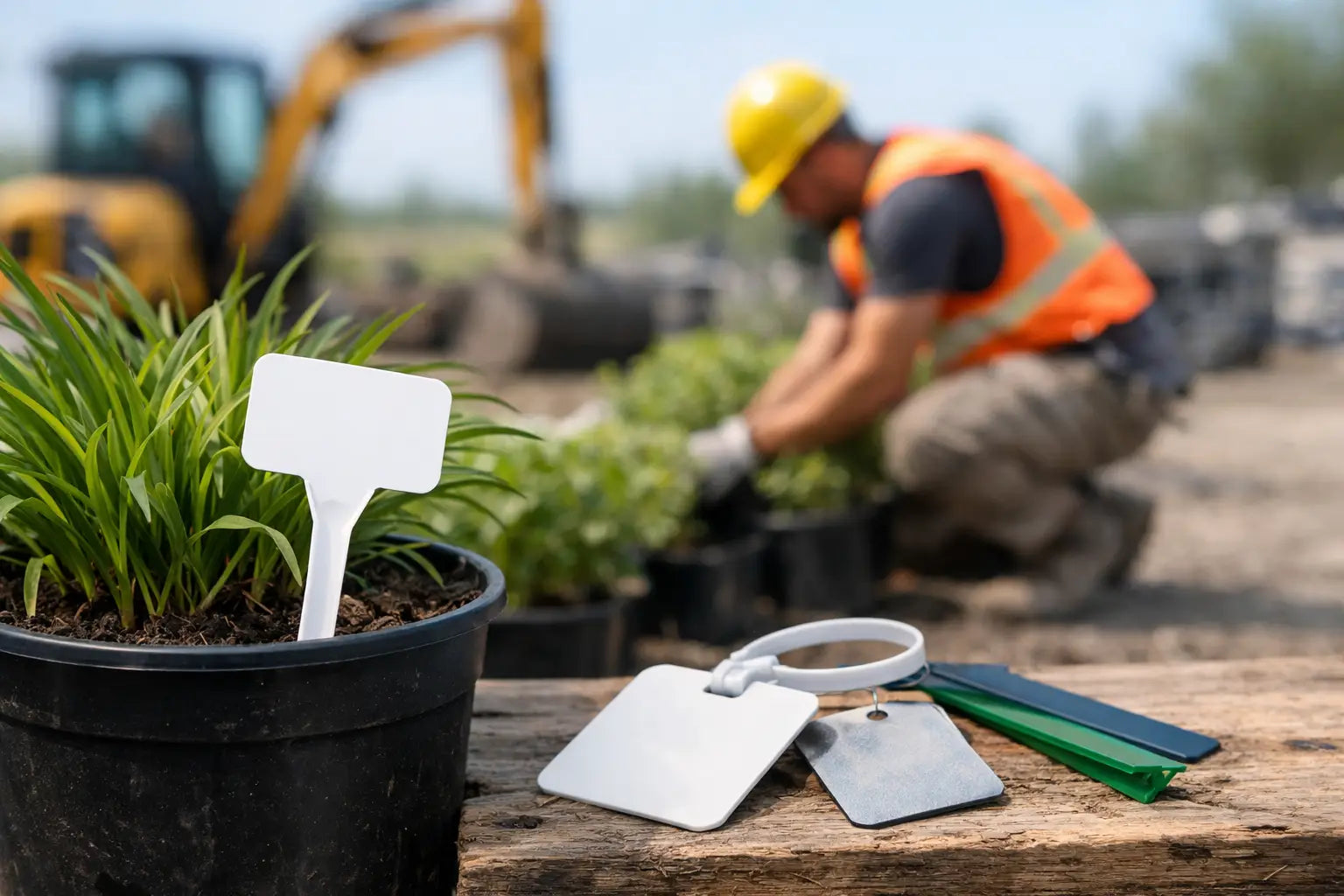
This is where many systems come unstuck. A barcode might scan perfectly in the office and fail within weeks on site if the material is wrong. Equipment used outdoors, in workshops, wash bays, plant rooms or mining environments needs labels designed for abrasion, moisture, chemical exposure and strong sunlight.
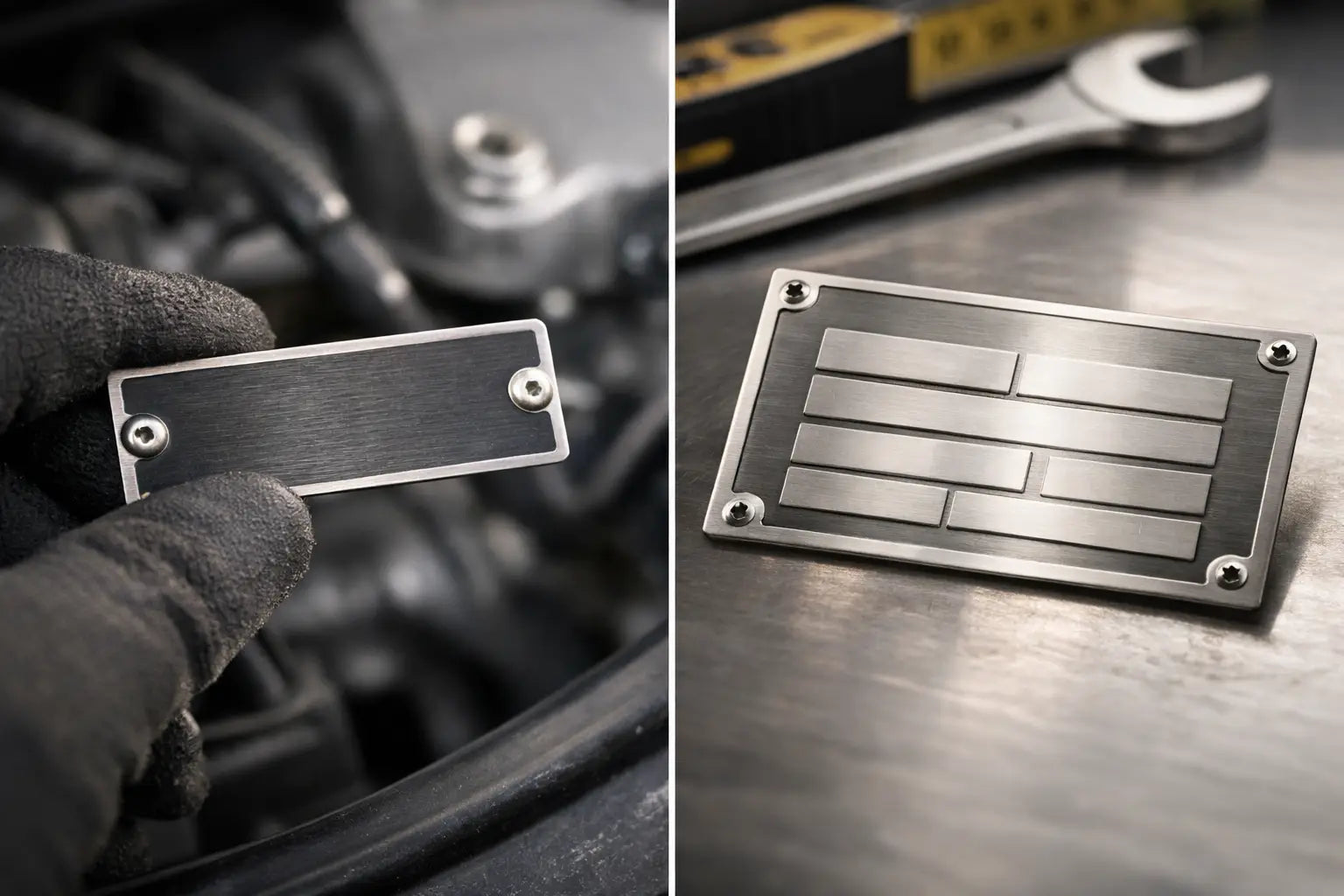
The right label depends on the asset and the surface. Smooth metal housings, powder-coated cabinets, plastic cases and rough equipment bodies all behave differently. Some assets need high-bond adhesive labels. Others are better suited to metal asset plates, tamper-evident options or customised formats that stay readable under hard use.
If the barcode must remain legible for compliance or lifecycle tracking, durability is not optional. It is the difference between a system that saves time and one that creates more rework.
What information should go on the label?
A good barcode label is easy to scan and easy to identify without scanning. In practice, that means the barcode should be paired with human-readable text. Most teams include the asset number and a short description so the item can still be checked manually.
Depending on the application, you may also include the company name, site name, equipment class or an inspection reference. There is a balance to strike here. Too little information can confuse users. Too much can make the label cluttered and harder to scan, especially on smaller items.
For high-turnover tools and mobile assets, clarity matters more than cramming every detail onto the label. Keep the label simple and leave deeper records in your register or asset software.
Build a scanning process your team will actually follow
Even the best labels will not fix a poor workflow. If you want barcode tracking to stick, the scanning process needs to match how people already work.
Focus on the key asset movements
Most businesses do not need to scan every movement all day long. Start with the moments that matter most - issuing equipment, returning it, moving it between locations, sending it for repair, and completing inspections. These checkpoints give you useful visibility without burdening the team with unnecessary admin.
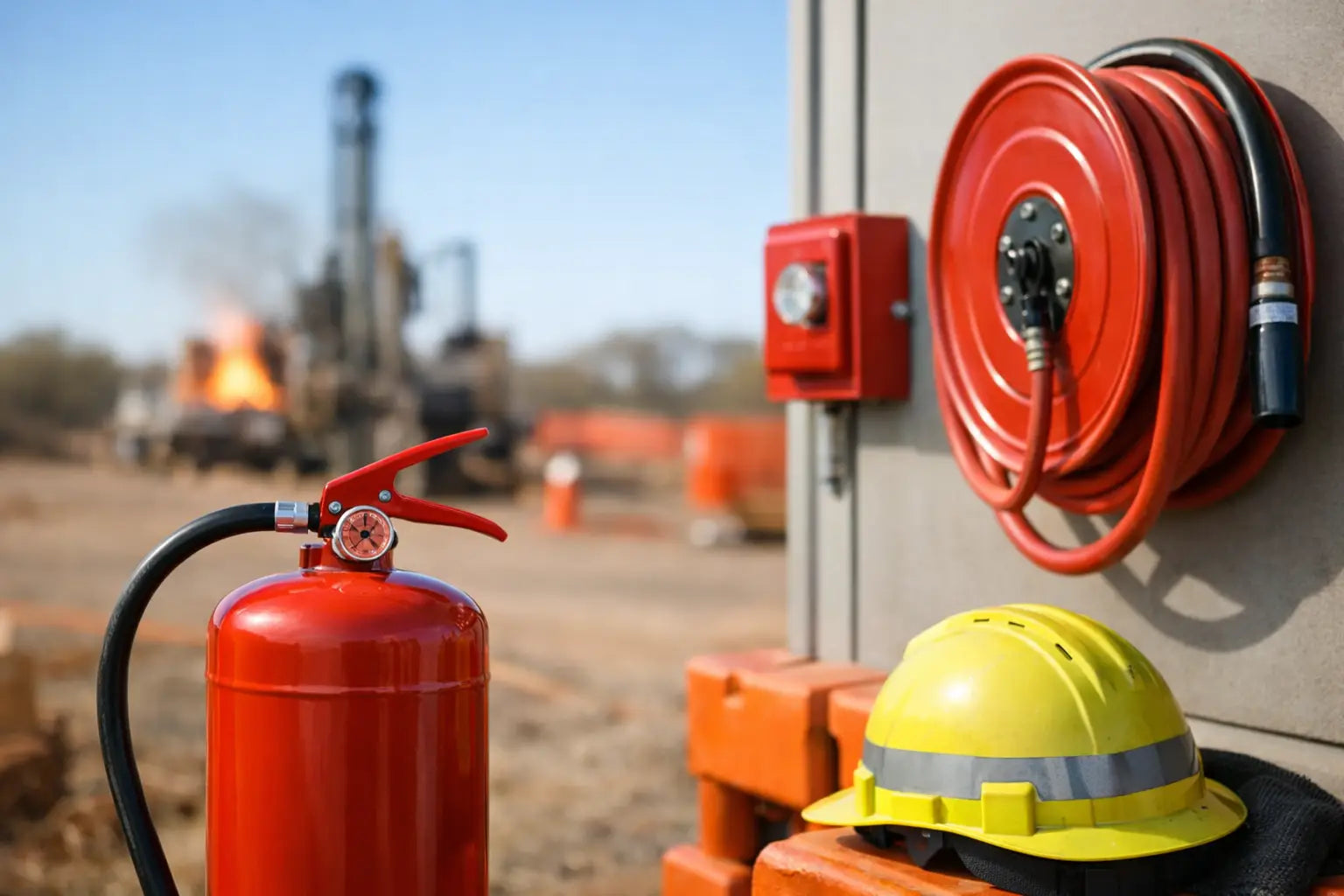
For example, a workshop supervisor may scan tools out to a crew at the start of shift and back in at the end. A compliance officer may scan fire equipment or lifting gear during scheduled inspections. A storeperson may scan assets as they transfer between depots. Those few control points often deliver most of the value.
Use software that suits the scale of your operation
Some businesses start with a shared spreadsheet and a barcode scanner. Others need a dedicated asset management platform with mobile access, maintenance scheduling and audit history. There is no single correct setup.
If you manage a smaller fleet with stable locations, a simple system can work well. If you run multiple sites, large tool pools or compliance-heavy equipment classes, more structured software is usually worth it. The key is choosing a setup that your team can maintain consistently, not one that looks impressive but gets ignored after rollout.
Train for consistency, not complexity
Barcode systems succeed when staff know exactly what to do. Keep training practical. Show people where labels are placed, when assets must be scanned, what to do if a label is damaged, and who is responsible for updating exceptions.
That sounds basic, but it prevents the most common failures. Lost equipment often comes down to skipped scans, poor handovers and labels that were never replaced after damage.
Common mistakes when tracking equipment with barcode labels
The biggest mistake is treating labels as an afterthought. Cheap labels may look fine on day one and fail after exposure to heat, UV, oil, cleaning chemicals or repeated handling. Once the print fades or the adhesive lets go, your asset history becomes patchy.
Another common issue is poor label placement. A barcode buried under a handle, wrapped around a curved edge, or placed on a high-abrasion contact point will not last. Put labels where they can be scanned easily and protected as much as the asset allows.
Some businesses also overcomplicate their data. If every scan requires too many fields or too many steps, staff stop using the system properly. Keep records detailed enough for control and compliance, but simple enough for day-to-day operations.
When barcode labels are the right fit - and when they are not
For most tools, plant accessories, inspection items and portable equipment, barcode labels are a practical, cost-effective choice. They are quick to implement, easy to train on and suitable for a wide range of industries.
There are cases where another identification method may be better. Assets exposed to extreme abrasion, heat or harsh chemicals may need metal plates or specialised marking solutions. Equipment scanned from a distance may suit RFID instead. But for many Australian worksites, barcode labels remain the most sensible starting point because they balance cost, speed and control.
That is also why label quality matters. If you are buying for industrial use, choose products designed for local conditions, not generic office-grade stock. Suppliers such as Prime Tags Australia focus on worksite-ready barcode labels and asset identification solutions built for heavy handling and harsh environments, which makes a real difference over the life of the asset.
Making the system hold up over time
A barcode system is not finished when the labels arrive. Review scan compliance, replace damaged labels promptly, and audit a sample of assets against the register every few months. If items keep going missing, the issue may be with workflow, storage discipline or accountability rather than the label itself.
The businesses that get the best results keep the system practical. They standardise asset IDs, use durable labels, place them properly, and only ask teams to capture information that serves a real operational purpose. That is how barcode tracking stays useful instead of turning into another half-used admin process.
If you want better control of equipment, start with the assets that create the most downtime, risk or replacement cost. Label them properly, build a scanning routine around the points that matter, and make sure the labels are tough enough for the environment. A system that works on paper is one thing. A system that still scans after months on an Australian worksite is the one worth putting in place.