
A label that fails six months early is not a minor annoyance. On a mine site, in a workshop, or across a plant room, it can mean lost asset visibility, missed inspections, failed traceability, and avoidable rework. This industrial label durability guide is built for buyers who need labels to stay legible, attached, and fit for purpose in real Australian conditions - not just look fine when they leave the printer.
What durability actually means on site
Durability is not just about whether a label sticks. It is a combination of print legibility, adhesive performance, material stability, abrasion resistance, chemical resistance, and weathering over time. If one of those fails, the label has failed.
That matters because industrial labels often carry safety, compliance, maintenance, or asset data. A faded barcode, a curled edge, or a delaminating face stock can stop a scanner reading properly, create doubt during an audit, or force a replacement cycle far earlier than planned. In high-use environments, durability is directly tied to cost control and compliance confidence.
The right label for a clean indoor switchboard is rarely the right label for a sun-exposed pump skid, a chemical drum, or mobile plant operating in dust and grit. That is where many purchasing mistakes start - buying for appearance or unit price, rather than the actual environment.
Industrial label durability guide - the main causes of failure
Most label failures can be traced back to a mismatch between the label construction and the application. The usual weak points are predictable.
UV exposure is one of the biggest issues in Australia. Labels used outdoors or on vehicles, tanks, pipework, and site equipment can fade, embrittle, or lose adhesive performance if the material is not designed for long-term sun exposure. A label might look acceptable at installation, then drop away quickly after a summer of heat and glare.
Surface condition is another common problem. Powder-coated metals, textured plastics, curved hoses, rough timber, and oily machinery all behave differently. Some surfaces need a more aggressive adhesive. Others need a tag or plate instead of a pressure-sensitive label. If the substrate is contaminated with dust, grease, release agents, or moisture, even a good label can struggle.
Mechanical wear matters just as much as weather. Repeated handling, washdowns, rubbing against gloves, tools, chains, or equipment guards can wear print away or lift corners. In transport, manufacturing, and construction settings, abrasion often kills a label before sunlight does.
Chemicals and cleaning agents are another trade-off point. Solvents, fuels, degreasers, and industrial cleaners can attack both the print layer and the label material. If labels are being wiped down regularly, or exposed to splash and spill conditions, standard stock often falls short.
Temperature also changes the equation. Some labels need to perform in cold rooms, around hot plant, or through fluctuating outdoor conditions. Adhesives can harden, soften, or fail to bond if the service temperature or application temperature is wrong.
Choosing the right material for the job
Material choice is where durability is won or lost. Paper labels may suit short-term internal uses, but they are generally the wrong fit for harsh industrial environments. For longer service life, synthetic materials are usually the safer choice.
Polyester is a strong option where you need stability, clean print performance, and resistance to moisture and general wear. It is widely used for asset labels, equipment identification, barcode labels, and compliance marking because it holds detail well and performs reliably on many hard surfaces.
Polypropylene can work well for some industrial uses, particularly where flexibility is useful, but it is not always the best choice for the harshest conditions. It depends on exposure levels, expected lifespan, and how critical the information is.
Vinyl has advantages when labels need to conform to curved or uneven surfaces. It can be useful on pipes, drums, and some plant applications. That said, not all vinyl constructions are equal, and the adhesive system matters as much as the face material.
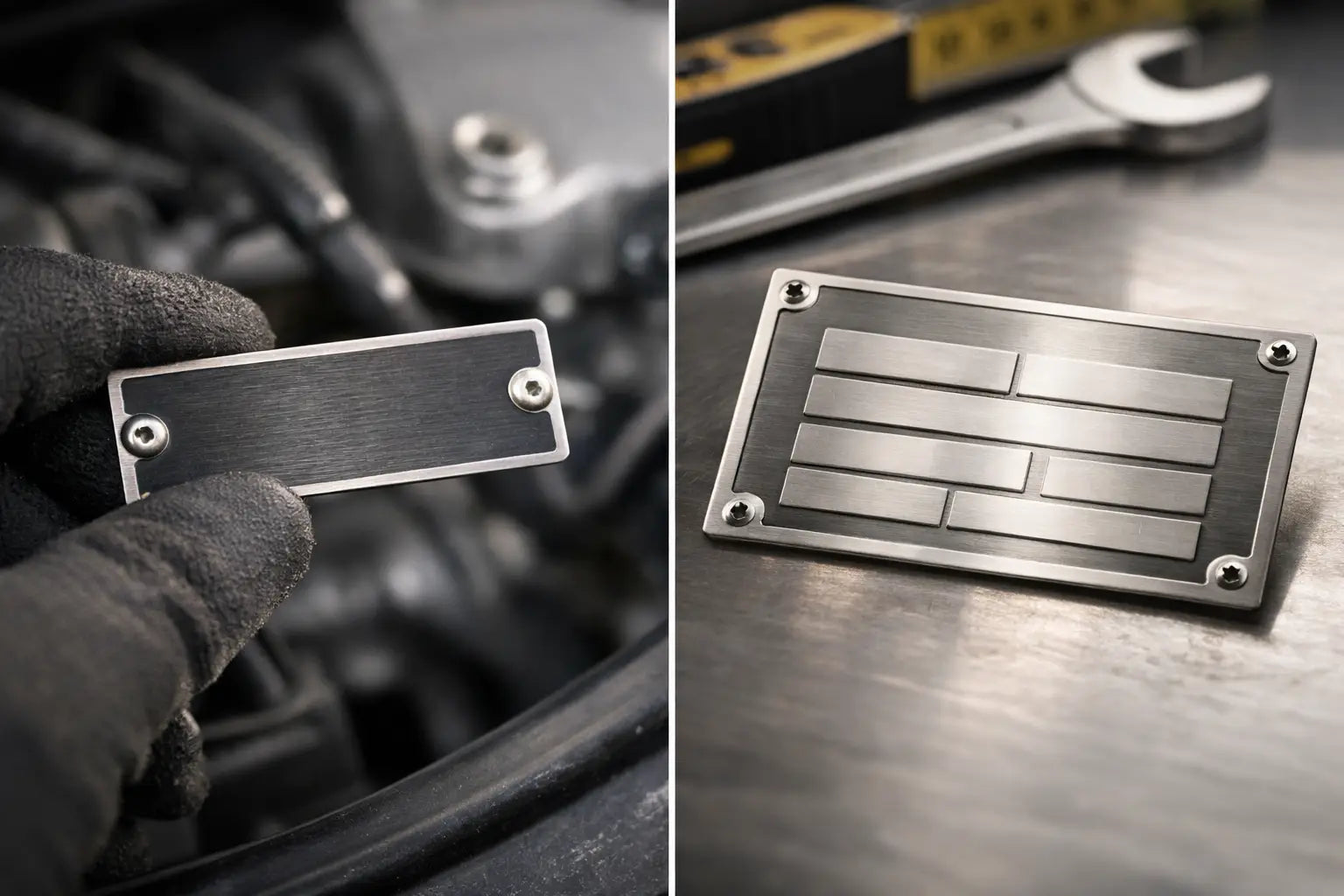
For extreme conditions, labels may not be the right answer at all. Metal asset plates, compliance plates, or heavy-duty tags can be a better long-term solution where abrasion, heat, chemicals, or permanent identification requirements exceed what a label can realistically handle.
Adhesive performance is not a detail
Buyers often focus on the face material and overlook the adhesive. That is a mistake. A durable label with the wrong adhesive is still a short-life product.
Permanent acrylic adhesives are common for industrial use because they generally offer strong long-term bonding and good resistance to weathering. But even within that category, there are differences in tack, final bond strength, and suitability for low surface energy plastics or rough substrates.
Rubber-based adhesives can offer high initial grab, which helps on some difficult surfaces, but they may not suit every temperature or UV exposure profile. The best choice depends on where the label is going, how quickly it must bond, and what it will face over time.
If a label is going onto powder coat, textured plastic, galvanised steel, polyethylene containers, hoses, or equipment with a dirty service environment, it is worth testing before committing to volume. A free sample is more useful than a technical guess when replacement costs and downtime are on the line.
Print method and protection matter
A durable material still needs durable print. If the information fades, smears, or scratches off, the result is the same as total label failure.
Thermal transfer printing is often preferred for industrial identification because it can produce crisp, long-lasting text and barcodes when matched with the right ribbon and stock. Resin ribbons, for example, generally offer better abrasion and chemical resistance than wax-based options, but they add cost. Whether that cost is justified depends on the application.
Digital and screen printing can also perform well when the inks and topcoats are selected properly. The key question is not how the print looks on day one. It is whether it will still be readable after UV exposure, handling, cleaning, and general site wear.
Overlaminates and protective coatings can extend service life, especially for high-contact labels. They add another layer of defence against scuffing, moisture, and chemical splash. The trade-off is thickness, cost, and sometimes reduced flexibility on tight curves.
Match the label to the environment, not the catalogue photo
An effective industrial label durability guide always comes back to context. Ask what the label is identifying, where it will sit, how long it needs to last, and what can go wrong if it fails.
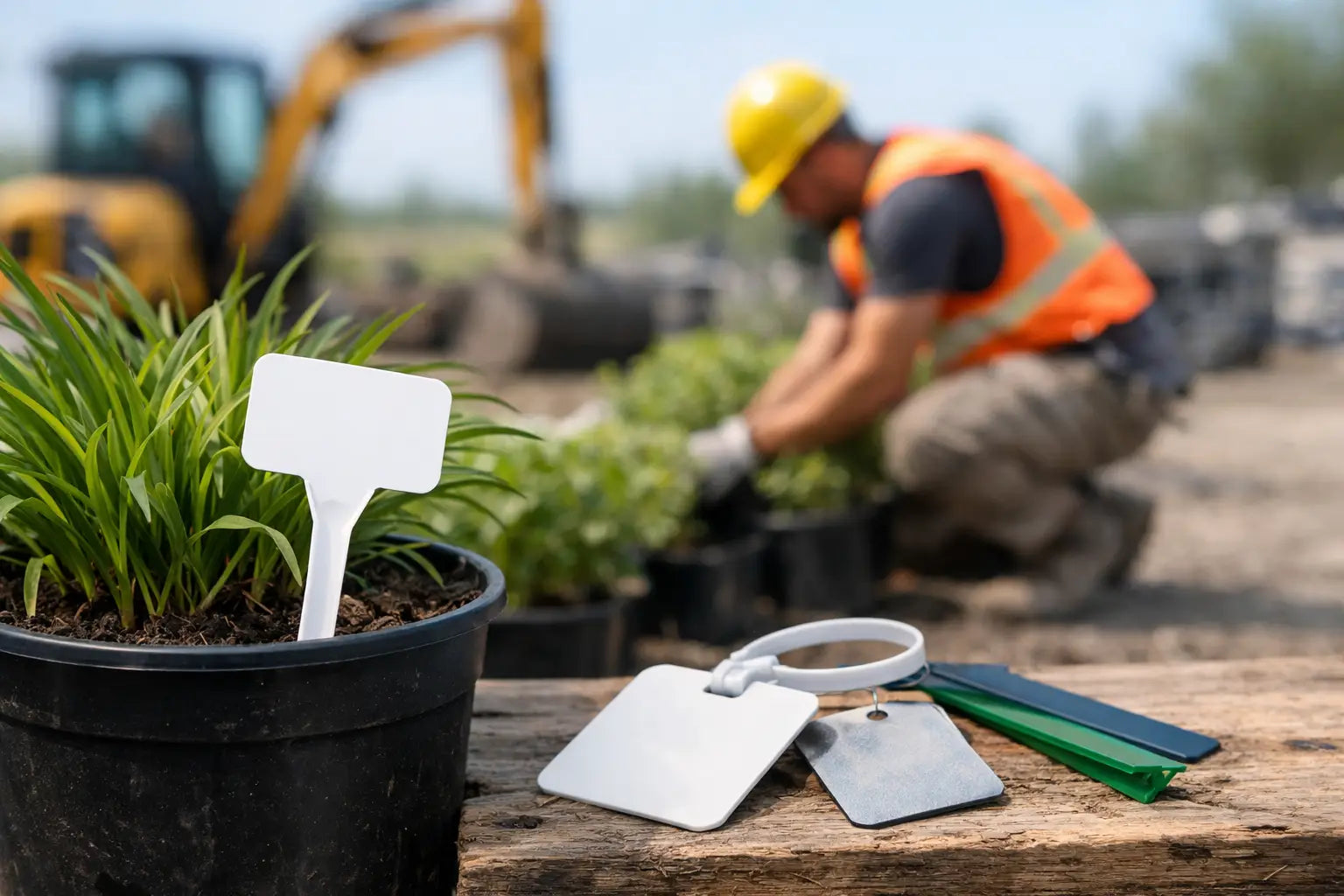
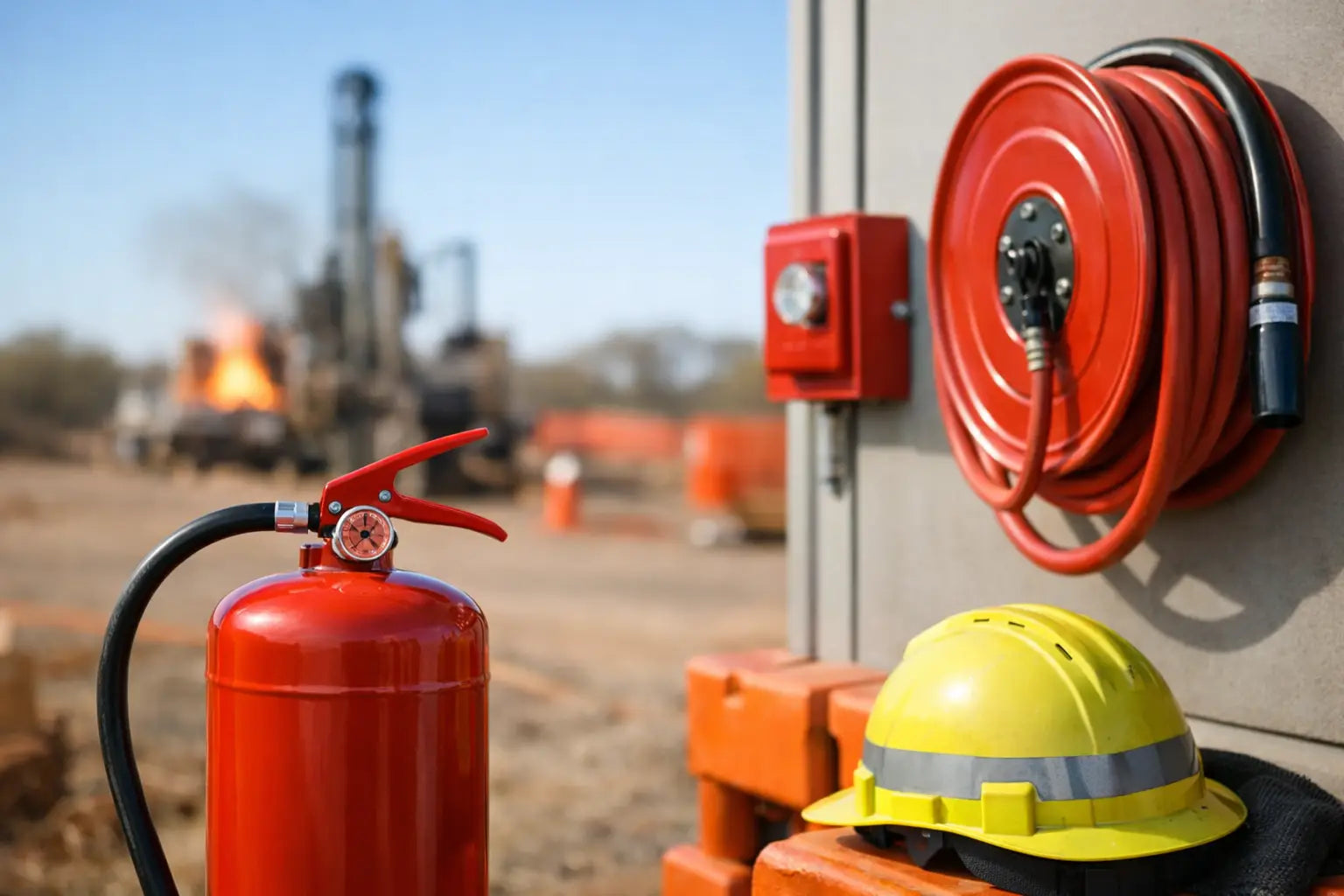
For indoor asset tracking in a controlled facility, a high-quality polyester asset label may be enough. For outdoor infrastructure exposed to full sun, rain, grit, and washdowns, you may need a more specialised construction. For lifting gear, hoses, or fire equipment, the answer may be a purpose-built tag or compliance product rather than a standard adhesive label.
Expected lifespan matters too. Some labels only need to last through a project phase, shutdown, or inspection cycle. Others need to stay in place for years. Over-specifying every label adds cost. Under-specifying creates replacement work, risk, and inconsistent records. Good procurement is about getting that balance right.
Practical checks before you place an order
Before ordering at scale, confirm the substrate, exposure conditions, installation method, and service life. If the labels will be applied on site, make sure the surface prep is realistic. A label tested on a clean bench is not the same as a label fitted in a dusty yard or during a shutdown.
It also helps to check whether barcodes need scanner verification, whether compliance information must remain permanently legible, and whether the label size allows enough print contrast. Tiny fonts and crowded layouts can turn a durable label into an unreadable one.
Customisation should support durability, not undermine it. Unique numbering, variable data, branding, and site-specific fields are valuable, but only if the final construction still matches the environment. A supplier that understands industrial use cases will usually ask these questions early rather than just quoting the cheapest stock.
For Australian conditions, that local understanding matters. UV, heat, wind, and abrasive dust are not edge cases here. They are normal operating conditions across many sectors. That is why Australian-made materials and worksite-focused product selection often make the difference between a label that lasts and one that becomes maintenance clutter.
When label failure creates compliance risk or repeat labour, the cheapest option rarely stays cheap. Buy for the site, test where needed, and choose a construction that can handle the actual job. That approach will save more time than any fast fix after the labels start dropping off.