
A faded asset label does not look like a major problem until a service record goes missing, a plant register cannot be verified, or a site audit turns into a manual hunt through serial numbers. That is where metal asset tags for equipment earn their keep. In hard-working Australian environments, they are not just labels. They are a practical control for identification, traceability, maintenance and compliance.
Paper labels, low-grade synthetics and poorly bonded adhesives usually fail for the same reasons - heat, UV, washdowns, abrasion, chemicals and simple day-to-day wear. Once the print starts lifting or the barcode stops scanning, the cost is no longer the tag itself. It is the labour spent replacing it, the asset confusion it creates, and the risk of records drifting away from the equipment they are meant to track.
Why metal asset tags for equipment make sense
For industrial buyers, the case for metal is straightforward. Equipment moves, gets cleaned, gets knocked around and lives outdoors longer than expected. A tag needs to stay readable through all of that. Metal tags hold their shape, resist tearing, and keep critical information legible far longer than cheaper alternatives.
That matters across mining, manufacturing, utilities, transport yards, workshops and construction sites. If an asset tag is carrying a unique ID, a barcode, a serial reference or ownership details, readability is the whole job. A tag that looks fine on day one but fails after a season in the sun is not a saving. It is a replacement cycle.
There is also a compliance angle. Many businesses need a clean asset register, verified service intervals and equipment history that can be matched quickly on site. Metal tags support that process because the identifier stays attached and readable under conditions that regularly defeat standard labels.
Not all metal tags are built the same
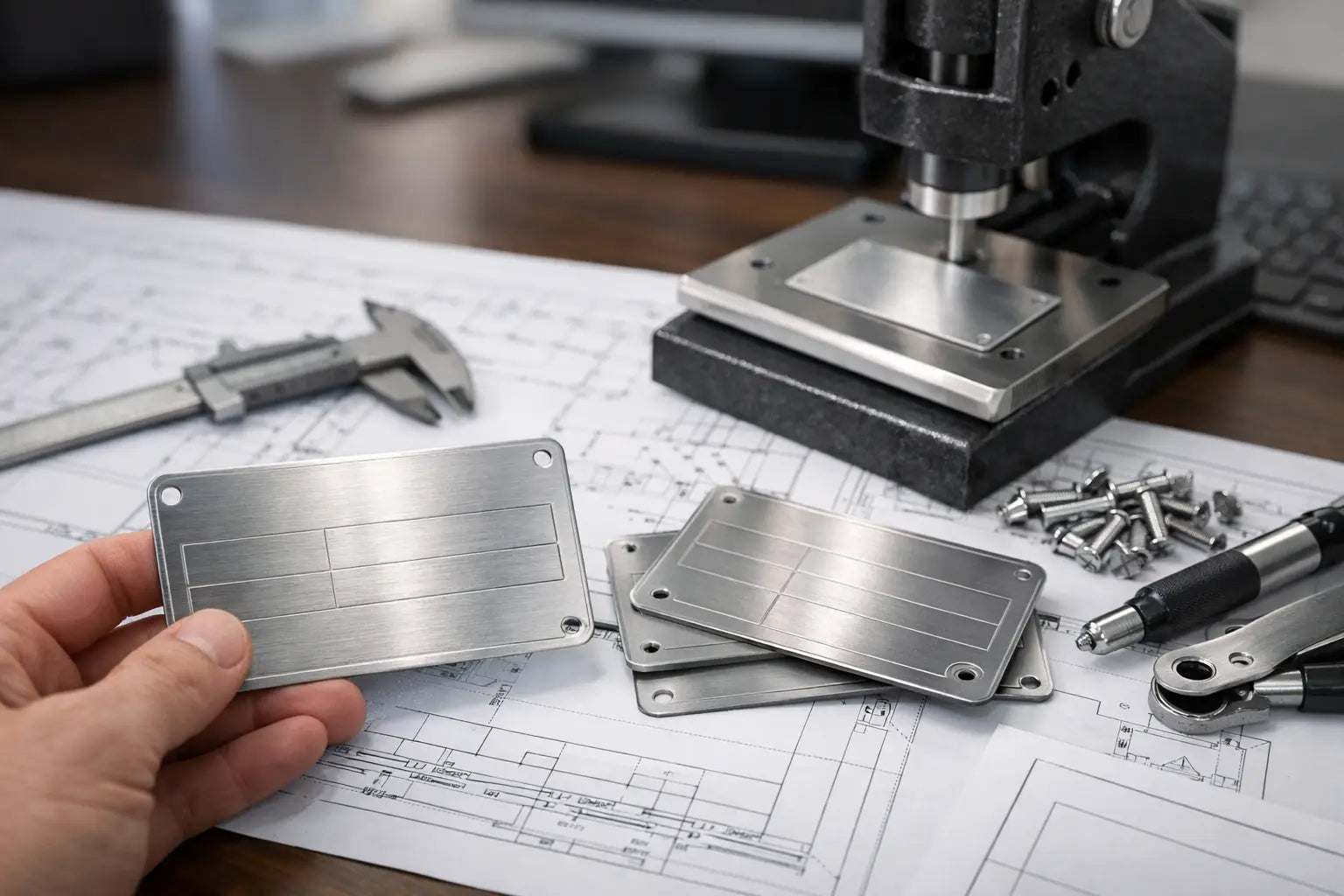
This is where buyers can get caught out. Two metal tags may look similar in a quote, but their performance can be very different once they hit the field. Material choice matters. So does thickness, fixing method, print method and surface finish.
Aluminium is a common choice because it offers a good balance of durability, weight and cost. Stainless steel is often the better option where exposure to chemicals, corrosion or extreme wear is part of the job. If the equipment is used in marine areas, washdown zones or aggressive industrial settings, the extra spend on stainless can make sense. If the application is general plant identification in a controlled environment, aluminium may be more than enough.
The way data is applied is just as important. Printed information may suit some indoor uses, but engraved, etched or otherwise permanently marked data will usually deliver better long-term performance where abrasion and weather are factors. Barcodes and QR codes also need proper contrast and layout. A code that is technically present but difficult to scan on a dirty worksite is not much use.
What information should go on the tag
The answer depends on how your business tracks assets, but the best tags are clear and disciplined. Trying to cram every possible detail onto a small plate often reduces readability. In most cases, less is better if the core identifier ties back to a complete digital or paper record.
A typical equipment asset tag may include an asset number, company name, barcode or QR code, and a short equipment description. Some businesses also include a serial number, site name, department, or a line such as return if found. Where theft deterrence matters, wording that clearly identifies ownership can help. Where maintenance systems are used, a machine-readable code linked to the register often speeds up inspections and servicing.
The practical point is this: the tag should support how your team actually works. If technicians use scanners, prioritise scan performance. If supervisors read numbers manually in poor light, make the human-readable ID large and simple. If equipment is reassigned between sites, avoid putting changeable information on the tag unless replacement is easy to manage.
Choosing the right attachment method
A durable plate still fails if it is fixed the wrong way. Adhesive-backed metal asset tags can work well on clean, flat surfaces in suitable conditions, but they are not the answer for every asset. Heat, textured surfaces, oils and rough handling can all shorten adhesive life.
For heavy equipment, mobile plant, compressors, generators, switchboards and exposed machinery, mechanical fixing is often the safer choice. Rivets, screws or pre-drilled holes can give the tag a far more secure hold over time. The trade-off is installation effort. Mechanical fixing takes longer and may not suit every surface, but in high-abuse settings it usually pays back through fewer failures.
Curved surfaces, powder-coated assets and removable panels also need thought. A plate that sits proud can catch on gear or take impact. In those cases, profile, hole placement and tag size matter. Good tag selection is not only about the material. It is about matching the plate to the actual equipment and worksite conditions.
Where metal asset tags deliver the most value
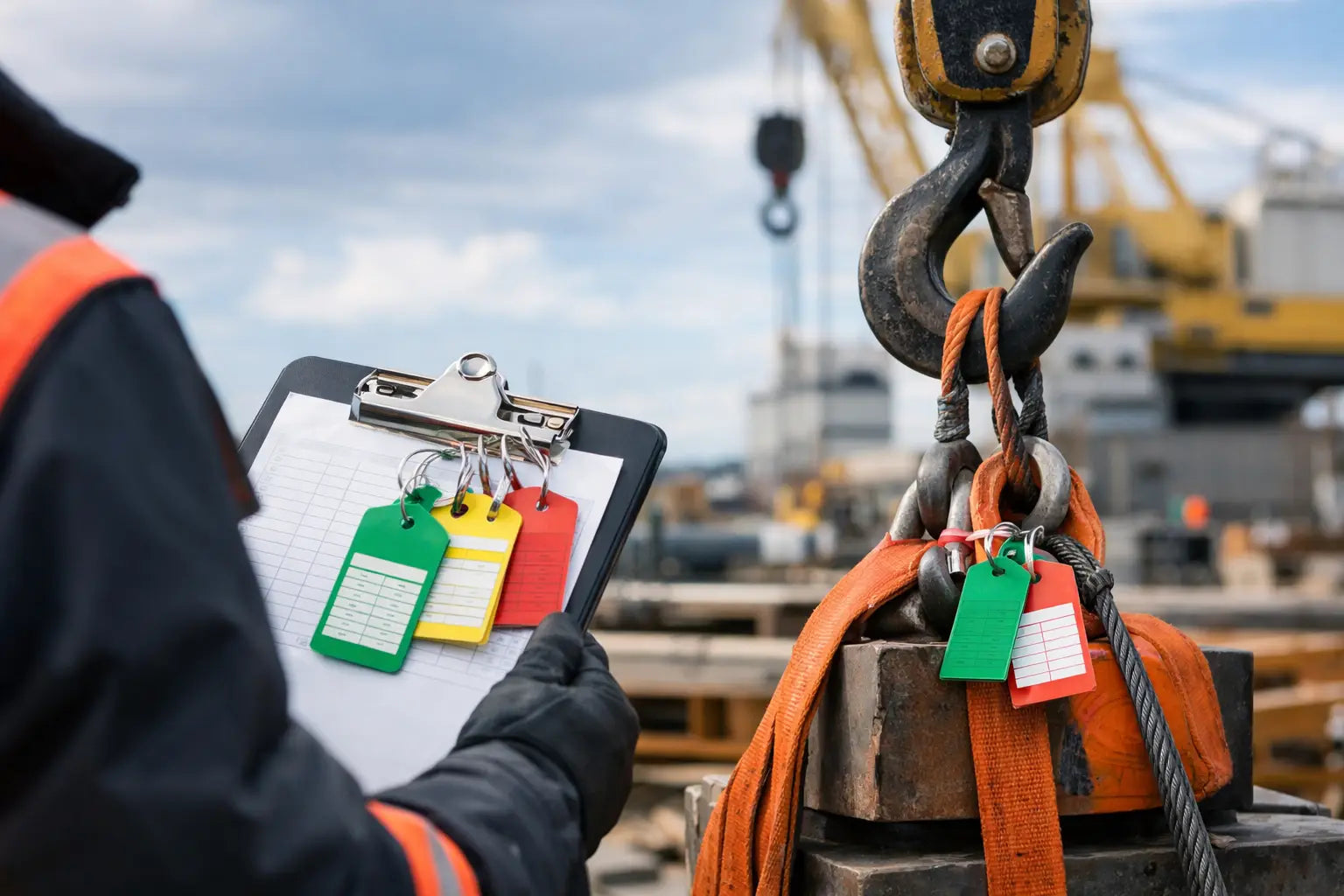
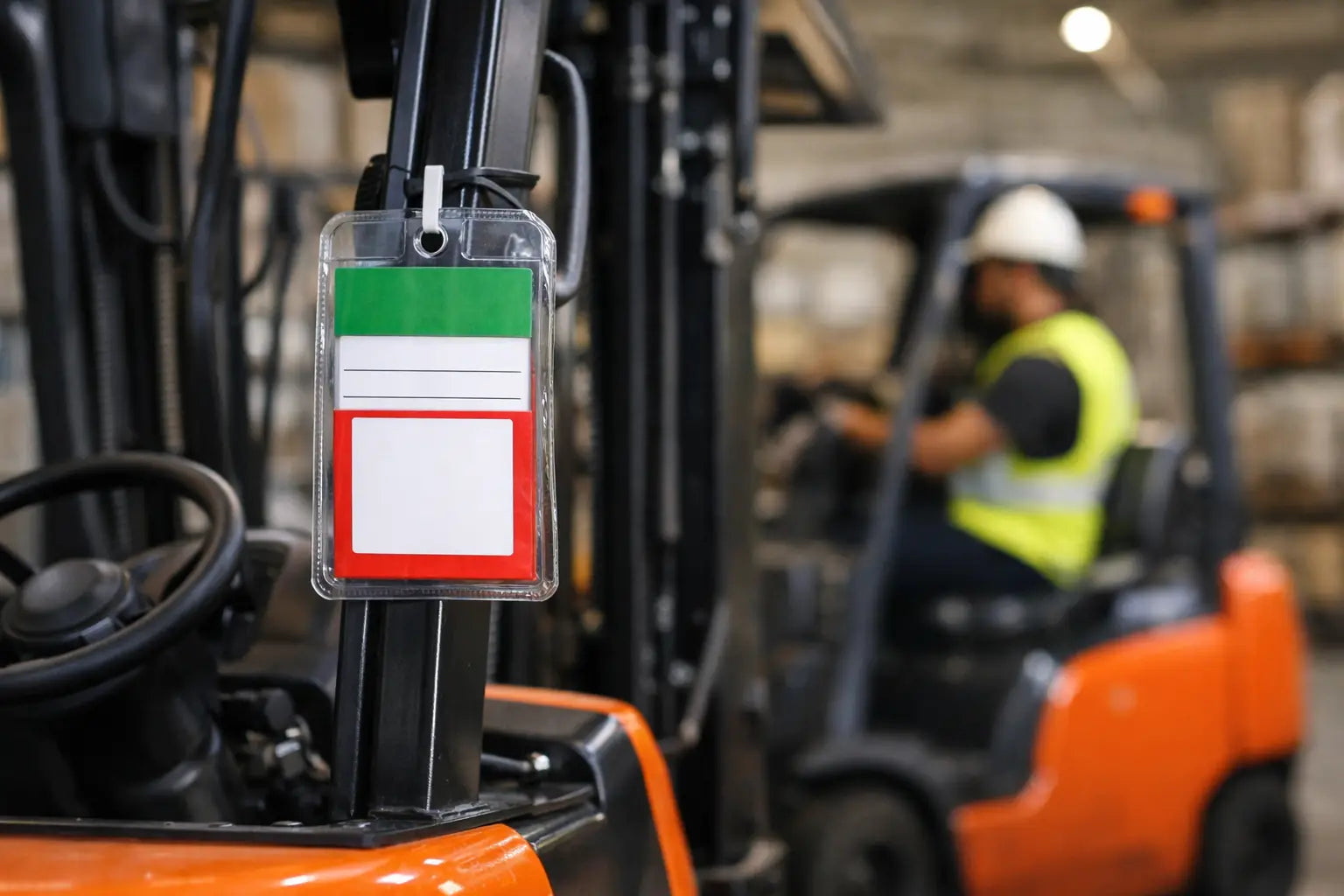
The strongest return usually comes from assets that are expensive, mobile, service-critical or exposed to harsh conditions. Forklifts, trailers, pumps, generators, switchboards, test equipment, lifting gear cabinets, plant attachments and workshop machinery are common examples. These are assets that need to be identified quickly and kept on the register without guesswork.
Metal tags also help where multiple contractors, shifts or departments use the same equipment. A durable, visible ID cuts down confusion and keeps maintenance history tied to the right item. On larger sites, that consistency matters. It reduces admin friction and makes audits less painful.
There is also a simple branding and control benefit. A well-made metal tag gives assets a permanent, accountable marker. It signals that the equipment is managed properly, not just labelled as an afterthought.
Customisation matters more than many buyers expect
Off-the-shelf asset labels have their place, but many industrial businesses need more control than a generic template can offer. Tag size, hole placement, corner style, numbering format and code type all affect how well the final product works in practice.
Customisation is especially important when assets sit in extreme UV, high-dust, abrasive or washdown conditions. The right material and marking method need to be selected for the environment, not guessed from a catalogue photo. For businesses managing mixed fleets or specialised plant, custom metal plates can also standardise identification across old and new equipment.
This is where a capable local supplier makes a difference. Fast quoting, sample support and clear advice on materials can save a lot of trial and error. For Australian buyers, products made from Australian materials and built with local conditions in mind are often a safer call than imported tags designed around milder use cases. Prime Tags Australia works in that lane - practical, worksite-ready identification built for harsh local conditions.
Common buying mistakes to avoid
The most common mistake is buying on unit price alone. A cheap tag that fails early is rarely cheap once replacement labour and downtime are counted. The second mistake is treating all environments the same. Indoor electrical cabinets and outdoor mobile plant do not need the same plate specification.
Another issue is poor data planning. If your numbering format is inconsistent, or if the barcode does not match your asset system cleanly, even a high-quality tag can create admin headaches. It pays to settle naming conventions and record structure before production starts, especially for larger rollouts.
Lead time is another factor that gets overlooked. If tags are needed for a shutdown, fleet delivery or compliance program, delayed supply can hold up more than just labelling. Buyers should confirm turnaround times early and make sure artwork approval, numbering sequences and fixing requirements are sorted before the order goes live.
A practical standard for serious sites
If equipment identification matters to safety, maintenance or compliance, metal tags are usually the more dependable option. They last longer, present better, and keep critical data attached to the asset when conditions get rough. That does not mean every application needs the heaviest-grade plate on the market. It means the tag should match the job, the environment and the way your team uses the information.
When the tag is specified properly, it becomes one less thing to worry about. The asset stays identifiable, the register stays cleaner, and your team spends less time replacing failed labels. For busy Australian operations, that is the standard worth buying to.