
A plant arrives on site with the right guarding, the right paperwork and the right inspection history, but the compliance plate is worn, unreadable or missing. That single detail can slow handover, raise questions during an audit and create avoidable risk for maintenance and operations teams. This plant compliance plate requirements guide sets out what Australian buyers and site managers need to check so equipment stays identifiable, traceable and fit for service.
For most worksites, the plate is not just a badge fixed to a machine. It is a practical reference point that helps confirm what the plant is, who made it, how it should be classified and whether critical details are still available when they are needed. If the information cannot be read quickly and clearly, the value of the plate drops fast.
What a plant compliance plate is meant to do
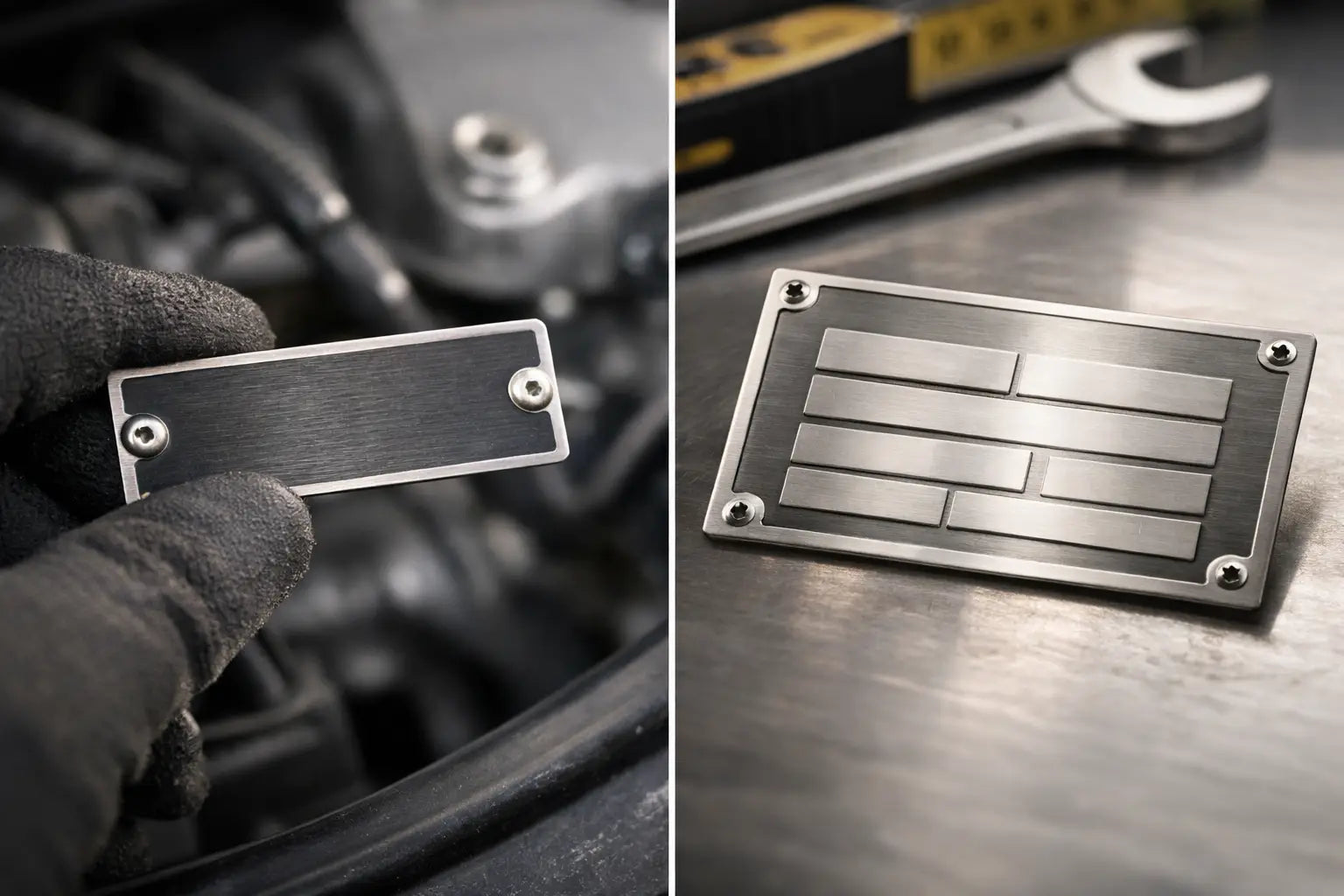
A compliance plate identifies plant and carries the core information needed for verification, asset control and safe operation. Depending on the equipment and the site requirement, that may include manufacturer details, model, serial number, year of manufacture, rated capacity, design data or other compliance-related markings.
In day-to-day use, the plate supports more than one function. It helps procurement confirm the right asset has been supplied. It helps maintenance teams match the machine to service records. It helps supervisors verify operating limits. It also gives auditors and inspectors a fixed point of reference when documents and equipment need to line up.
That is why plate quality matters. A cheap plate that fades under UV, corrodes in washdown areas or peels away in heavy service can create the same operational problem as having no plate at all.
Plant compliance plate requirements guide for Australian sites
Plant compliance plate requirements are not one-size-fits-all. The exact marking requirements depend on the type of plant, the applicable Australian standard, the operating environment and the site’s own asset identification procedures. A forklift, pressure equipment, lifting gear and a fixed processing asset may all require different data sets and different approaches to durability.
What stays consistent is the need for clear, durable and permanent identification. At a minimum, a plate should present essential information in a way that remains legible for the expected service life or for the required inspection interval. If your team cannot read the serial number after six months in the field, the plate has not done its job.
For Australian industrial buyers, that usually means checking five practical points before ordering or approving plates. First, confirm exactly what information must appear on the plate under the relevant standard, OEM requirement or internal specification. Second, make sure the plate material suits the site conditions, including UV, moisture, chemicals, abrasion and heat. Third, choose a fixing method that will not fail under vibration or rough handling. Fourth, make sure the layout is readable, not overcrowded. Fifth, consider whether variable data such as barcodes, asset numbers or inspection references should be included from the start.
What information should be on a plant compliance plate?
The answer depends on the asset, but the usual requirement is not complicated. Most plant compliance plates are expected to show enough information to uniquely identify the asset and confirm its operational or manufacturing details.
That commonly includes the manufacturer or supplier name, model number, serial number and date or year of manufacture. For many types of plant, rated capacity, working load limit, pressure rating, voltage, weight or design standard may also be required. Some sites also specify internal asset numbers, QR codes or barcodes so the plate works with maintenance systems and audit processes.
The trade-off is space. The more data you try to fit onto a small plate, the harder it becomes to read in the field. This is where good design matters. Clean layouts, sensible text size and the right engraving or printing method make a practical difference. A plate should be readable by a technician on the floor, not just by someone holding it under office lighting.
Why material choice matters more than most buyers expect
A compliance plate can meet the spec on paper and still fail on site if the material is wrong. That is a common problem in Australian conditions, where heat, glare, salt, grit and hard cleaning methods quickly expose weak products.
Metal plates are often the right choice for heavy industrial use because they offer strong long-term durability and resist tearing, shrinkage and edge lift. They are a sound option for plant exposed to UV, weather and abrasive environments. For some applications, anodised aluminium or stainless steel will make sense depending on corrosion risk, required lifespan and how the plate will be fixed.
There are cases where other materials are suitable, especially for less aggressive environments or shorter service cycles. But the cost of replacement, rework and downtime usually outweighs the small upfront saving from a lower-grade product. For compliance-critical identification, durability is part of compliance.
Fixing method, location and readability
A good plate in the wrong place is still a problem. If it is mounted where mud, grease or guarding covers it, teams will struggle to use it. If it is fixed to a panel that gets replaced regularly, traceability can be lost. If adhesive is used where rivets or other mechanical fixing would have been more suitable, the plate may not stay attached.
Location should allow safe access and clear visibility without requiring disassembly. The plate should be fixed to a stable part of the plant that remains with the asset throughout its service life. Readability also depends on contrast, character size and orientation. A plate tucked behind pipework or mounted upside down will frustrate every inspection that follows.
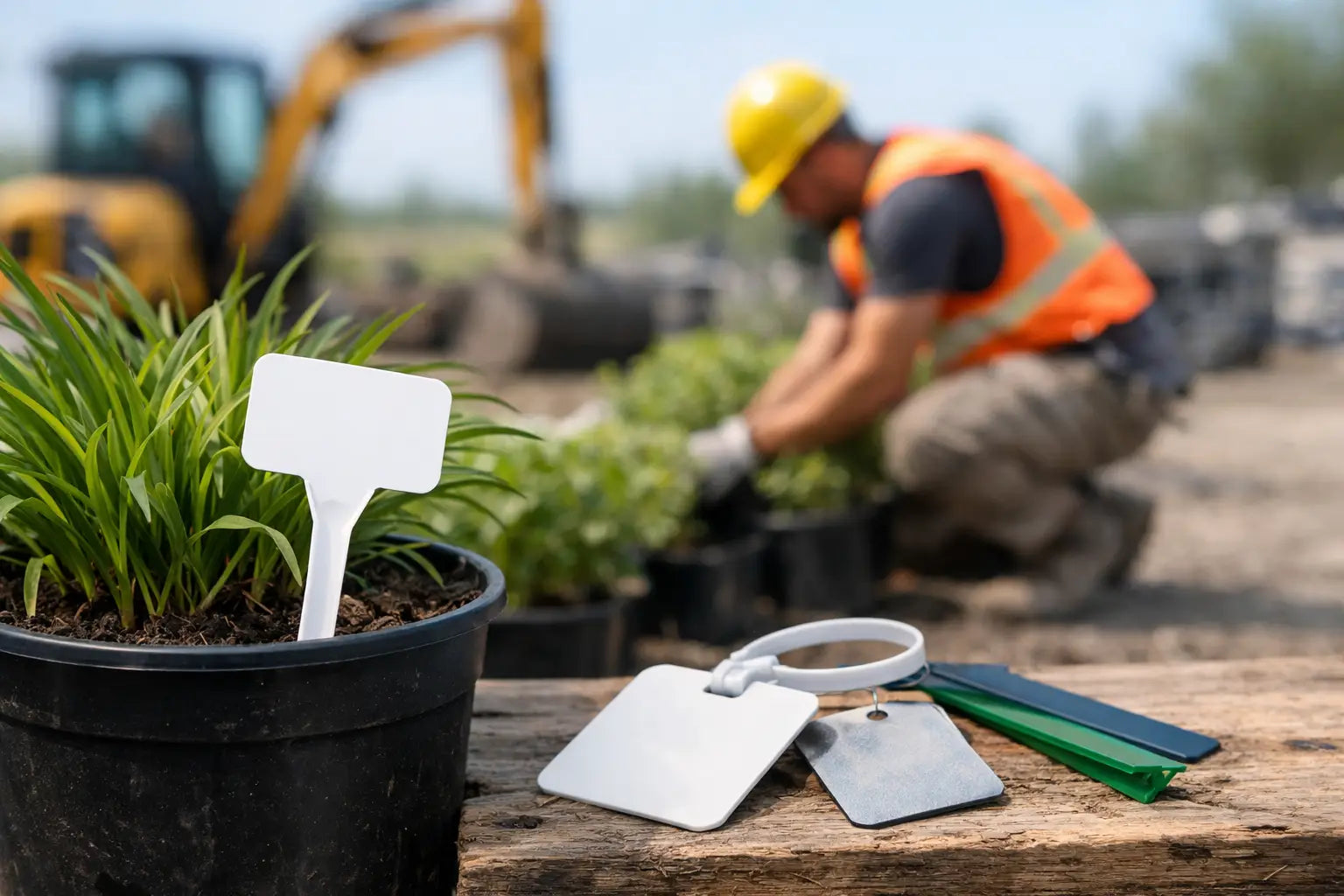
This is where site reality matters. Plant used in mining, construction and mobile operations often sees impact, vibration and contamination. In those settings, specifying the right attachment method is just as important as choosing the right plate material.
When to replace a plant compliance plate
If the plate is unreadable, incomplete, damaged or detached, replacement should be treated as a priority, not a cosmetic fix. The same applies if critical plant data has changed after modification and the existing plate no longer reflects the asset accurately.
Replacement plates should be matched carefully to the original requirements and current compliance needs. That means verifying source information before production rather than guessing from a half-legible old plate. Where internal asset systems have changed, this can also be the right time to add barcode or identification fields that make future inspections easier.
A practical rule is simple: if a technician, auditor or service provider cannot reliably identify the plant from the plate at normal working distance, it is time to replace it.
Common mistakes this plant compliance plate requirements guide can help you avoid
The most common failure is treating the plate as an afterthought. It gets ordered late, based on incomplete information, with little consideration for the environment. The result is a plate that technically exists but does not last.
Another mistake is assuming all compliance plates are interchangeable. They are not. Different assets need different data, dimensions, fixing methods and material performance. Standardising where it makes sense is useful, but forcing one format onto every plant category usually creates problems.
There is also the issue of turnaround. Many buyers only discover a plate problem when an audit, commissioning deadline or asset transfer is already underway. Working with a supplier that can handle custom specifications quickly is more than a convenience. It helps reduce operational delay.
Choosing plates that hold up on real worksites
For procurement and maintenance teams, the right question is not simply whether a plate can be made. It is whether it will remain legible and secure in service, and whether it supports compliance processes without creating extra admin.
That means looking for durable materials, precise customisation and a supplier that understands industrial applications rather than general-purpose labels. On Australian sites, locally suited materials and practical manufacturing standards make a genuine difference, especially where UV, dust and hard use are part of daily operations. That is why many buyers prefer purpose-built compliance products from suppliers such as Prime Tags Australia, where plate performance is considered from the start.
If you are ordering new plates or replacing failed ones, get the details right early. Confirm the required data, match the material to the environment and make sure the finished plate is built for the way the plant is actually used. A compliance plate is a small component, but when it fails, the admin, delay and risk are never small. Get it right once, and the rest of the asset record stays a lot easier to manage.